
25G SFP28 LR vs SR Optics Importance Explained
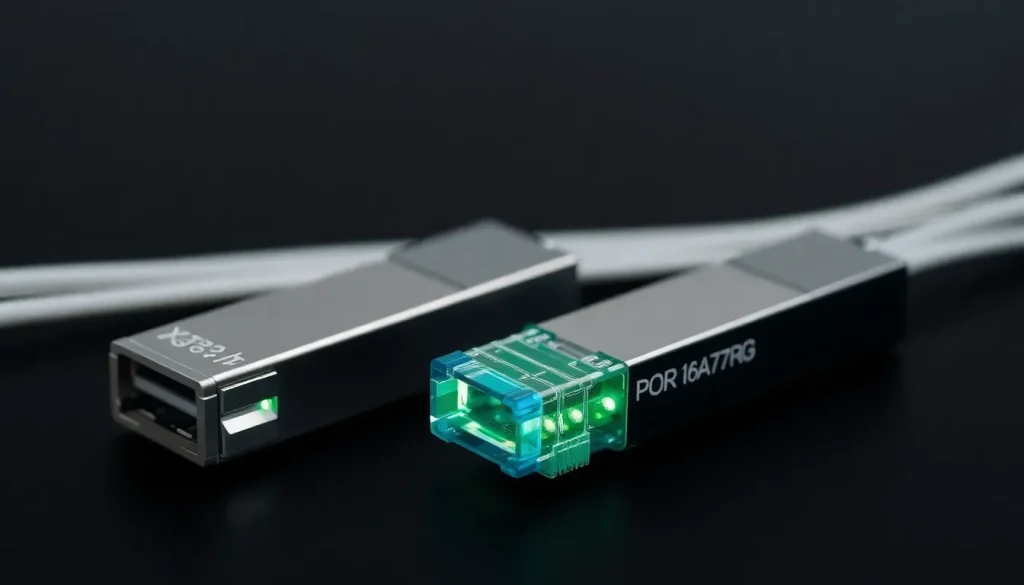
Understanding the distinction between different optical modules is critical for anyone working in networking, especially when transitioning from copper to fiber optics. The 25G SFP28 modules, specifically the Long Range (LR) and Short Range (SR) optics, play a vital role in determining the efficiency and capability of your network infrastructure. This article delves into these differences, why they matter, and common misconceptions to help you make informed decisions.
Understanding SFP28 Modules and Their Designations
The SFP28 optical module is a significant advancement over its predecessor, the SFP+, providing higher bandwidth up to 25 Gbps. These modules are categorized mainly into two types: LR and SR, each serving specific networking needs.
For instance, the 25G SFP28-LR module is designed for long-distance communication, typically up to 10 kilometers, utilizing a wavelength of 1310nm. This is particularly useful for data centers and enterprise networks that require reliable connections over extended distances.
On the other hand, the 25G SFP28-SR module is optimized for short-range applications, supporting distances up to 100 meters with a wavelength of 850nm. This makes it ideal for smaller environments like office networks or data center aisles where distances are minimal.
Key Differences Between LR and SR Optics
While both LR and SR optics are designed to facilitate data transmission, their differences are crucial for selecting the appropriate module for specific applications.
- Distance: LR supports up to 10km, while SR is limited to 100m.
- Fiber Type: LR uses single-mode fiber, whereas SR utilizes multimode fiber.
- Wavelength: LR operates at 1310nm and SR at 850nm.
- Cost: Generally, LR optics are more expensive due to their advanced capabilities.
- Power Consumption: SR optics typically consume less power, making them cost-effective for short distances.
The Importance of Fiber Type and Compatibility
The type of fiber used is essential when deploying optical modules. Single-mode fiber, used with LR optics, is designed for long-distance transmission and typically has a smaller core size, allowing for a single light path. In contrast, multimode fiber, used with SR optics, has a larger core diameter that allows multiple light paths, suitable for shorter distances.
When considering your network setup, it’s important to:
- Ensure compatibility between fiber type and optical module.
- Match LR with single-mode fiber and SR with multimode fiber.
- Consider future scalability when choosing between SR and LR optics.
Using incompatible optics can lead to connectivity issues, as evidenced by a reader's experience trying to pair LR and SR optics with the wrong fiber cable.
Applications of LR and SR Optics
Understanding the appropriate applications for each type of optical module can optimize your network's performance. Here’s a breakdown:
- Short-range applications (SR): Ideal for interconnecting switches within the same rack or in adjacent racks. Common in small data centers or enterprise environments.
- Long-range applications (LR): Used for connecting buildings across a campus or for long-haul data transmissions in larger data centers.
- Hybrid setups: In some scenarios, a combination of both LR and SR optics may be employed, but careful planning and understanding of the infrastructure are vital.
Cost Considerations and Market Trends
The pricing of SFP28 optics can vary significantly based on the type and specifications. While the cost difference between LR and SR optics can be as little as a few dollars in some cases, more advanced or specialized optics can see a substantial price jump. When planning for a network upgrade or installation, consider the following:
- Evaluate your current and future bandwidth needs.
- Account for installation costs, including fiber type and connectors.
- Consider the long-term implications of investing in LR versus SR modules based on your infrastructure growth plans.
Conclusion: Making Informed Choices
While both SR and LR optics serve their unique purposes in networking, understanding their differences and appropriate applications is crucial. This knowledge enables network engineers and IT professionals to make informed decisions that enhance performance and reliability.
For those interested in a deeper understanding of these optical modules, there are numerous resources available, including instructional videos. For instance, the following video provides a comprehensive overview of the SFP28 LR transceiver:
In conclusion, keeping informed about the latest advancements in optical networking can significantly impact your network's efficiency and performance. Whether you're focusing on short-range solutions with SR optics or long-distance connections with LR optics, ensuring compatibility with your fiber infrastructure is essential for a successful deployment.



Leave a Reply