
5 reasons why The Witcher failed to succeed on Netflix
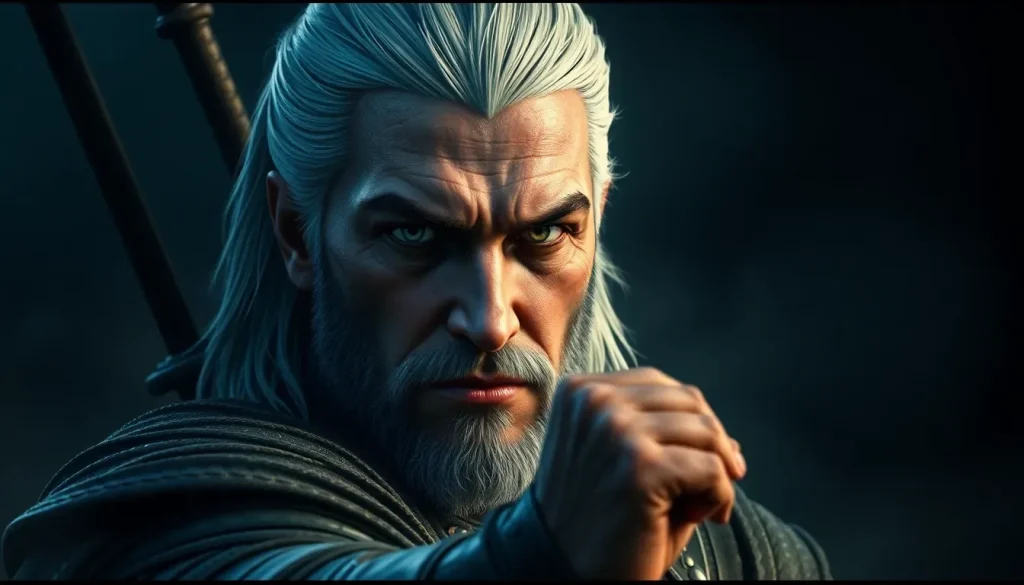
The Witcher is about to enter its fourth season, but its journey has been tumultuous, marked by unmet expectations and dwindling interest. Initially envisioned as a captivating adaptation of Andrzej Sapkowski's expansive literary universe, the series was supposed to tap into the success of its video game counterpart, which has garnered a massive following. However, as viewers eagerly anticipated the series, the reality fell short, leading to questions about what went wrong in this ambitious project.
From its debut in 2019, the show faced significant challenges, despite being led by Henry Cavill, an avid fan of the source material. The task of translating a complex mythology filled with rich narratives and cultural influences into a television format proved to be more difficult than anticipated. The showrunner, Lauren Schmidt Hissrich, struggled to carve out a unique identity for the series amidst a crowded fantasy landscape, ultimately leading to its downfall.
As the series progressed, it became evident that its narrative coherence was wavering, failing to capture the intricacies of the world Sapkowski had created. The continent, a sprawling realm filled with magic and monstrous threats, along with a politically charged backdrop, became muddled in translation. Instead of delivering a captivating story, the show often felt like it was treading water, missing the depth and complexity that made the original novels so engaging.
A problematic adaptation lacking depth
While The Witcher promised numerous narrative twists and turns, it ultimately struggled to deliver on those promises. Despite Netflix's attempts to expand the universe with a prequel spin-off and an animated film, neither gained the traction the platform had hoped for. This marked the beginning of a decline for what was once a highly anticipated franchise.
The issues began early on, primarily stemming from a lack of fidelity to the source material. It's common for adaptations to diverge from their originals; however, The Witcher failed to capture the essence of the saga, which is known for its intricate plots, mysteries, and horror elements. Instead, the series opted for a more generic fantasy narrative, leaving long-time fans yearning for the depth they had come to expect.
Superficial storytelling in a generic saga
The show's narrative choices often neglected the critical themes present in Sapkowski's work, particularly the concepts of destiny and predestination. The Netflix series tends to attribute the characters' significant relationships and the challenges they face to mere coincidences or mysterious circumstances. In stark contrast, the books delve deeper into the characters' decisions and the consequences of their actions.
For instance, Geralt's connection to Ciri (played by Freya Allan) is portrayed as a series of inexplicable events leading to a paternal bond. This relationship, rich with emotional and moral complexity, is simplified in the series, losing the pessimistic perspective the novels offered on the struggles of survival in a perilous world. The narrative veers towards a simplistic epic, glossing over the darker themes that define the original story.
Lack of narrative depth
The show, rife with generic fantasy clichés, overlooked critical political and cultural themes that define the original saga. Geralt, a witcher who is marginalized and feared, grapples with societal rejection while striving to uphold his sense of justice, often without recognition. This internal conflict is a significant part of his character development, showcasing the struggles of a misunderstood hero.
While the series hints at these aspects, it leans more towards portraying Geralt as an anti-hero in search of redemption. The focus shifts to his combat skills, which, although visually impressive—particularly in the first season—overshadow the intricate political dynamics at play in a continent filled with corrupt magic practitioners. The subtleties of these political machinations become mere background noise.
Even when the series attempts to address these themes, it often fails to present them thoughtfully, reducing the complex factions into clear-cut heroes and villains. This oversimplification detracts from one of the most engaging elements of the story, distancing the adaptation from the original's nuanced narrative.
Missing mythical elements
From a creative standpoint, The Witcher presented Netflix with a treasure trove of mythical lore. The source material is rich with diverse races and fantastical elements that could create a captivating world. Instead, the series diluted these aspects, seemingly aiming for a more accessible narrative that ultimately failed to resonate.
Stripped of its unique charm, The Witcher became a pale imitation of other successful franchises. It attempted to mimic the epic scope of The Lord of the Rings and the dark, adult themes of Game of Thrones, yet fell short of establishing its own identity. The result was a disappointing blend of clichés, failing to honor the richness of the original material.
As production continued, viewers began to notice declining quality in visual effects and performances. Cavill's growing discontent with the direction of the character and the series as a whole became apparent. While the first season had some redeeming qualities, subsequent seasons struggled to maintain audience engagement, leading to a downturn in viewership and interest.
Henry Cavill's departure from the series
Despite the initial success of the first season, cracks began to show in the following installments, especially with Cavill's dissatisfaction with the production. His passion for the role and the source material led to frequent clashes with the creative team, particularly regarding character development and narrative direction.
Cavill aimed to portray Geralt in alignment with the complexities of the character as depicted in the books. However, the creative team opted for a more brutal portrayal that disregarded the nuanced conflicts present in Sapkowski's world. The actor publicly supported fans' critiques of the series, further complicating the dynamics on set.
As the series progressed into its second and third seasons, Cavill's discomfort became more pronounced. The fanbase, already divided, supported the actor amidst ongoing rumors of tension behind the scenes. By the time the third season was in production, the rift between Cavill and the creative team had widened, leading to his eventual exit from the series.
Lack of interest in the storyline
Heading into its fourth season, The Witcher faces a daunting challenge: rekindling interest from an audience that has largely tuned out. The replacement of Cavill has only exacerbated the situation, leaving many wondering if the upcoming episode can revive the franchise's flagging numbers.
Currently, there is little enthusiasm from critics or fans, creating a precarious situation for the series. The looming question remains—can The Witcher overcome the disillusionment of its audience and deliver a satisfying conclusion to a saga that has struggled to find its footing?
As the series stands on the precipice of potential failure, it is evident that it has become one of Netflix's notable disappointments, a far cry from the ambitious project it was meant to be.
For further exploration of the challenges faced by The Witcher, you can watch this insightful video:



Leave a Reply