
Apple TV+ rebrands with a new name
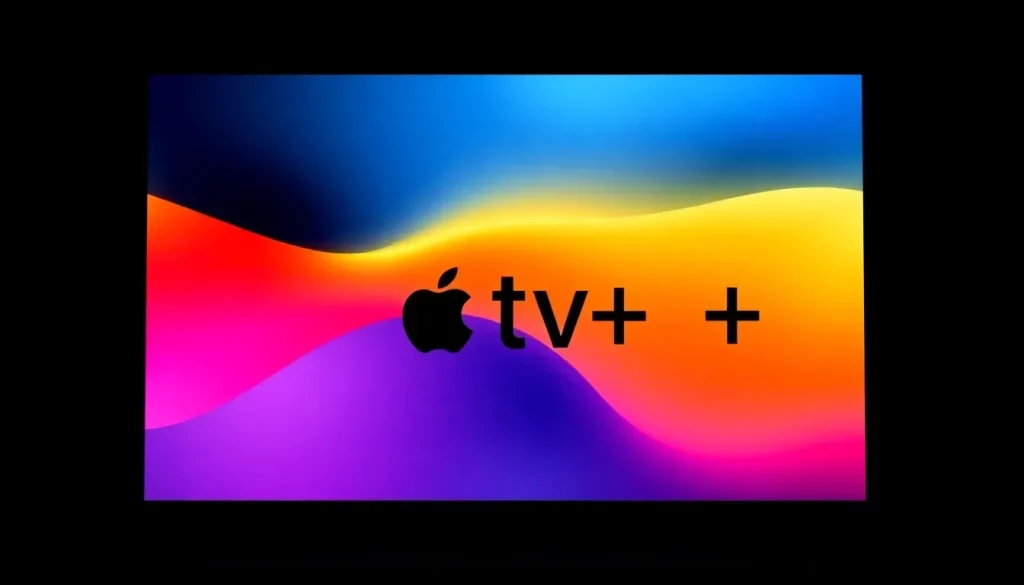
Say goodbye to Apple TV+. In an unexpected move, Apple has announced a name change for its streaming platform dedicated to movies, series, and sports events. However, don't get too excited about a groundbreaking rebranding; the service will now simply be known as Apple TV.
This name change seems to echo a trend seen with other tech giants, particularly Google, which has notoriously created a confusing array of product names. For instance, the term Gemini now refers to their AI assistant, a dedicated app, and the underlying language models. Similarly, Apple's decision to unify the names under the Apple TV banner might lead to a similar sense of ambiguity.
From now on, the platform will share its name with the Apple TV app and the Apple TV device. Prepare for potential confusion as users adjust to this shift. Apple’s decision raises questions about branding clarity in a world where consumers are bombarded with choices.
Interestingly, the announcement of the name change was made through a press release detailing the upcoming streaming debut of F1: The Movie, set to premiere on December 12. This choice of communication method hints at the importance Apple places on its original content.
In the concluding part of their announcement, Apple stated: "Apple TV+ is now simply Apple TV, with a new vibrant identity." However, aside from the removal of the “+” or plus from the name, the specifics of this "new vibrant identity" remain elusive.
Apple TV+ transitions to Apple TV
On some level, the name change makes sense. After all, Apple TV+ was already integrated into the Apple TV app. Nevertheless, it's peculiar that the new branding has yet to be fully implemented across Apple's platforms. As of this writing, all references to the service on Apple’s website still use the old name Apple TV+.
Furthermore, visiting tv.apple.com, which allows access to the web version of the platform, still displays the service as Apple TV+. It's reasonable to assume that the transition will occur gradually, but it is striking, especially considering Apple's reputation for meticulous attention to detail.
It will be interesting to see how the audience reacts to the name change from Apple TV+ to Apple TV. There are also speculations about whether this could signal future changes for other Apple services that currently carry the plus designation, such as Fitness+, News+, and iCloud+. For now, no further news has emerged regarding such developments.
This rebranding places Apple TV alongside HBO Max as major streaming platforms that have undergone name changes in 2025. Warner Bros Discovery’s service reverted to its original name after a brief period as Max. Such shifts in branding may reflect broader trends in the streaming industry as companies strive for clarity and recognition in an increasingly crowded market.
What does the name change mean for users?
The rebranding of Apple TV+ to Apple TV raises important questions about how users will navigate this transition. Here are some potential impacts:
- Brand Recognition: Users may initially struggle to associate the new name with the existing content they enjoy.
- Content Discovery: The unified branding could streamline content discovery within the Apple ecosystem.
- Future Developments: A name change often accompanies new features or expansions; users may expect more from the platform in the near future.
- Brand Confusion: With multiple services under the Apple TV name, there may be confusion about which offerings fall under which category.
The streaming landscape and the significance of branding
In a rapidly evolving streaming landscape, the choice of names and branding carries significant weight. The shift from Apple TV+ to Apple TV is not merely a cosmetic change; it reflects a larger strategy that could reshape user experience. Other players in the industry are also re-evaluating their branding, aiming to establish clearer identities in a crowded market.
As the competition heats up, companies like Netflix, Amazon Prime Video, and Hulu are also adjusting their branding and service offerings. For example:
- Netflix: Continues to expand its catalog with diverse original content.
- Amazon Prime Video: Frequently bundles additional services to attract users.
- Hulu: Adjusts its pricing and content offerings to maintain competitiveness.
In this climate, Apple’s decision to unify its brand under Apple TV could signify an intention to provide a more cohesive user experience while enhancing its market position.
The future of Apple TV and user expectations
Looking ahead, users may wonder what this change means for the future of Apple TV. Here are some aspects to consider:
- Content Expansion: Will Apple increase its investment in original programming to compete more effectively?
- User Experience: How will the unified platform improve user navigation and content accessibility?
- Pricing Structure: Will the rebranding lead to changes in subscription pricing or service tiers?
As the industry evolves, Apple’s rebranding decision will likely influence other companies to rethink their own strategies. The landscape of streaming services continues to shift, and clarity in branding could become a critical factor for success.
For those interested in the changes surrounding Apple TV, a deeper look into their evolving strategy is available through various media outlets. For instance, check out this informative video that discusses the recent developments in depth:



Leave a Reply