
Apple explains the changes in iPhone 17 selfie camera
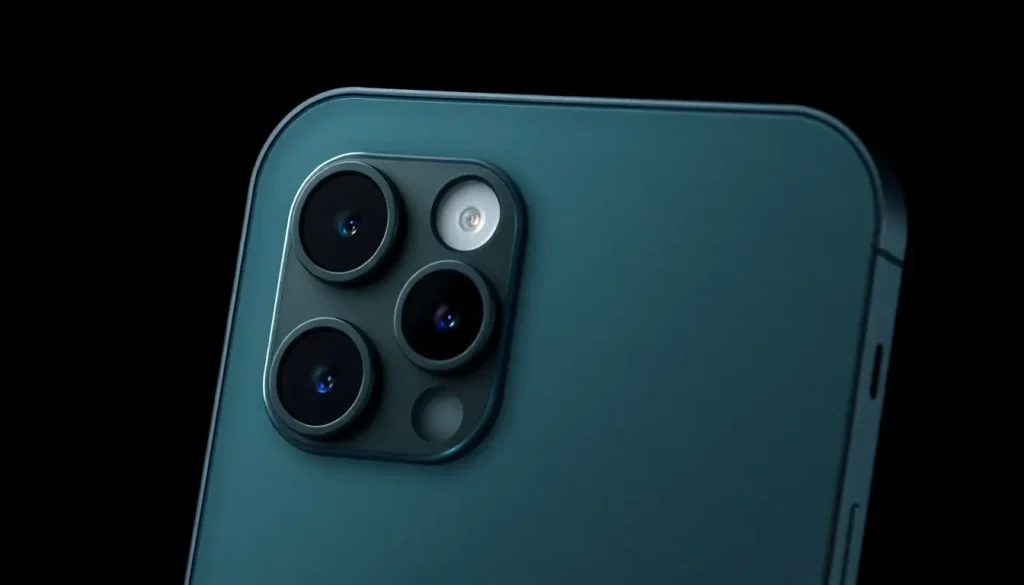
Apple continues to innovate in the smartphone market, and the newly released iPhone 17 and iPhone Air lineup are prime examples of this commitment. Among the standout features of these devices is the revamped selfie camera, which has undergone significant enhancements. In a recent interview, top Apple executives shared insights into the reasons behind these changes, revealing a thoughtful approach to improving the user experience.
Transformative updates to the iPhone 17’s selfie camera experience
In an engaging article by BW Businessworld, Apple executives Jon McCormack, head of camera software, and Megan Nash, iPhone product manager, discussed the substantial upgrades made to the front camera in the iPhone 17 and iPhone Air. This new camera system introduces the innovative Center Stage feature, representing a crucial development in mobile photography.
The changes reflect Apple’s understanding of user behavior and the challenges faced when capturing selfies. McCormack noted that the company observed various methods users employed to take selfies, such as using selfie sticks, rotating their devices horizontally, or handing the phone to the tallest person in the group. This prompted Apple to rethink the design and functionality of the front camera.
“People are trying to make the camera work for them, but we knew that we could do better… what if the camera could just understand what you’re trying to capture and then make those adjustments for you?” McCormack explained.
According to the executives, the enhancements to the selfie camera have been in development for several years, with the necessary processing power and design capabilities finally coming together in this iteration. As Nash elaborated, the integration of the high-speed Apple Camera Interface (ACI) was essential for efficiently managing the data flow between the image sensor and the chip.
“Years in advance, we were thinking about how this new front camera would need the high-speed Apple Camera Interface,” Nash explained. “So the A19 and A19 Pro use ACI to efficiently transfer data between the image sensor and the chip.”
Enhanced usability and functionality of the Center Stage camera
The new selfie camera not only improves the quality of photos but also enhances the overall experience of capturing images. One major advantage is that users can now maintain a portrait orientation while taking selfies, ensuring that subjects’ eyes are aligned correctly and enhancing the natural look of the photos.
- In portrait mode, the camera captures eye-level perspectives, making the images more flattering.
- Landscape selfies, previously challenging, are now more manageable due to improved framing technology.
- The system automatically adjusts to the number of people in the frame, providing optimal composition.
Moreover, the capabilities extend beyond still photos to video recording. McCormack emphasized that the goal with the iPhone’s camera technology is to make it as unobtrusive as possible, allowing users to focus on the moment rather than on the mechanics of taking a photo or video.
“We achieved this by using the large overscan region on the sensor to enable this amazing stability… The larger field of view and high-resolution sensor allow us to use Action mode automatically every time you capture a selfie video,” McCormack stated.
This means that users can now confidently capture videos while moving—whether walking, biking, or running—without worrying about shaky footage. The iPhone 17’s selfie camera seamlessly integrates advanced stabilization technology, ensuring high-quality results effortlessly.
Understanding the technological advancements behind the new camera
The advancements in the iPhone 17’s selfie camera are a testament to Apple’s commitment to pushing the boundaries of smartphone technology. The integration of the A19 and A19 Pro chips, equipped with the high-speed Apple Camera Interface, plays a crucial role in this transformation.
This technology enables:
- Faster data processing: The ACI allows for rapid data transfer, resulting in quicker photo capture and processing times.
- Enhanced image quality: The higher resolution and larger field of view contribute to sharper images and videos.
- Improved power efficiency: Optimized performance reduces battery consumption during camera use.
These factors combine to create a more intuitive and user-friendly photography experience, effectively bridging the gap between professional-grade cameras and everyday users.
User experiences and community feedback
As users begin to explore the capabilities of the iPhone 17’s new Center Stage front camera, many are sharing their experiences online. The feedback has highlighted not only the improvements in image quality but also the ease of use that comes with the new technology.
Many users have expressed excitement about the stabilization features, particularly for selfie videos, noting how it allows for more dynamic content creation without the need for additional equipment. Additionally, the camera's ability to adjust automatically to group settings has been a pleasant surprise for many users, making group selfies easier and more enjoyable.
For a deeper dive into user experiences, check out this insightful video review:
The future of smartphone photography with Apple
As Apple continues to refine its technology, the advancements seen in the iPhone 17’s selfie camera may be just the beginning. The company is likely to explore even more innovative features in future iterations, driven by user feedback and ongoing technological research.
With the increasing importance of social media and content creation, the demand for high-quality mobile photography is only set to rise. Apple appears well-positioned to meet these needs by leveraging its expertise in hardware and software integration.
- Continued focus on AI-driven enhancements for camera functionality.
- Expansion of features tailored for content creators.
- Integration of new technologies that improve user experience and image quality.
As the smartphone landscape evolves, users can look forward to more intelligent and advanced photography options in the years to come.



Leave a Reply