
VirtualZ provides halfway house for mainframe workloads in cloud
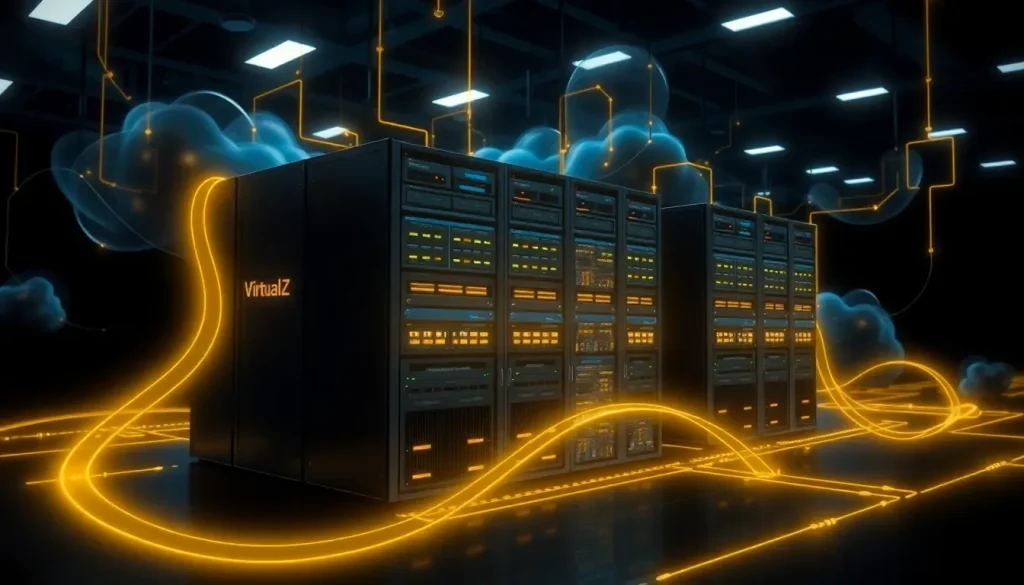
As businesses strive for digital transformation, the migration of legacy systems, particularly mainframe applications, to the cloud has become a pressing need. However, this transition is often complicated by the complexity and critical nature of these applications. VirtualZ emerges as a key player, facilitating a smoother migration process by bridging the gap between mainframe systems and public cloud infrastructures.
Understanding the Challenges of Mainframe Migration
The journey to migrate mainframe applications to the cloud is fraught with challenges. Many organizations rely on these applications due to their robustness and reliability, which makes the prospect of rewriting or replacing them daunting. Furthermore, the data that resides in mainframes is often critical for day-to-day operations, leading to concerns about accessibility and security during the migration process.
Some of the core challenges include:
- Data accessibility: Ensuring that vital data on mainframes can be seamlessly accessed by cloud applications.
- Application compatibility: Many legacy applications are not designed to operate in a cloud environment without significant changes.
- Cost implications: The resources required for a complete rewrite can be substantial, often deterring organizations from pursuing the migration.
Given these hurdles, solutions like VirtualZ are essential in providing a roadmap for organizations looking to modernize their IT infrastructure without sacrificing the integrity and performance of their legacy systems.
The Role of VirtualZ in Public Cloud Migration
VirtualZ serves as a vital intermediary, making mainframe data accessible to cloud applications without the need for extensive rewrites or modifications. By utilizing its innovative technologies, VirtualZ enables organizations to leverage cloud infrastructure while maintaining access to their critical mainframe data.
The company’s approach addresses the primary pain points in mainframe migration:
- Seamless data integration: VirtualZ allows cloud-native applications to interact with live data from the mainframe without the need for replication or significant code changes.
- No-code solutions: Its no-code platform simplifies the process, allowing users to connect disparate systems easily.
- Enhanced operational efficiency: By facilitating real-time data access, organizations can enhance their analytics capabilities and make data-driven decisions swiftly.
This bridging function is particularly valuable for companies that are not ready to fully migrate but wish to modernize their applications incrementally.
AWS Transform for Mainframe: A Game Changer
AWS has recognized the demand for mainframe migration and developed the AWS Transform for Mainframe service. This solution aims to streamline the transition of legacy applications to the cloud, allowing companies to modernize without starting from scratch.
The process begins with a thorough assessment of existing mainframe applications. AWS Transform scans the code written in languages such as COBOL and PL/I, and automatically converts it into more contemporary programming languages like Java or C#. This automation reduces the time and effort typically required for such extensive projects.
Key features of AWS Transform include:
- Code conversion: Automating the transformation of legacy code into cloud-compatible formats.
- Database migration: Facilitating the transition of mainframe databases to AWS services such as RDS or S3.
- Infrastructure setup: Assisting in the configuration and testing of newly migrated applications on AWS.
While AWS Transform significantly accelerates the migration process, many organizations still find themselves with hybrid environments. This is where VirtualZ fits seamlessly, ensuring that data remains accessible even if some applications are still hosted on the mainframe.
Bridging the Data Gap with VirtualZ
One of the standout features of VirtualZ is its capability to operationalize data access. The software allows modernized applications running on AWS to interact with live IBM Z datasets in real time. This connection is established without the complexities of replication or alterations in the existing code. Such capabilities are crucial for organizations that still rely heavily on their mainframe data.
Jeanne Glass, co-founder and CEO of VirtualZ, emphasizes the importance of their solution in complementing AWS Transform. By facilitating hybrid data operations, VirtualZ enables businesses to maintain operational continuity while transitioning to the cloud.
In addition, AWS has shown interest in collaborating with VirtualZ to develop a direct connector for AWS Transform. This would allow users to access mainframe data in real time, effectively completing the modernization loop from code to data to cloud.
Comparative Analysis of Cloud Providers' Migration Strategies
While AWS has taken significant steps with its Transform for Mainframe service, other cloud providers are also making strides in this space. Each major cloud has its unique approach to mainframe migration:
- Google Cloud: Utilizes its Dual Run and AI-driven migration frameworks to facilitate the transition of legacy systems.
- Microsoft Azure: Offers modernization services through initiatives like Azure Logic Apps and its Mainframe Transformation Service.
- Oracle Cloud Infrastructure (OCI): Focuses on enterprise re-hosting and partner-driven migration frameworks to ease the transition.
Despite these advancements, VirtualZ remains cloud-agnostic, providing solutions that work across all platforms, ensuring seamless integration and data accessibility.
Responding to the GenAI Surge
In recent months, the rise of Generative AI (GenAI) and large language models (LLMs) has created a pressing demand for secure, governed access to enterprise data. Organizations are increasingly looking to leverage historical data, especially from mainframes, to enhance their AI models and automate business processes.
Jeanne Glass identifies two primary opportunities for VirtualZ in this evolving landscape:
- Integration with GenAI ecosystems: Enabling AI systems to request only the necessary mainframe data securely and in its native format.
- Embedding AI within VirtualZ software: Utilizing AI-driven inference to interpret complex mainframe structures, generating the necessary metadata to facilitate data usability.
This strategic focus not only enhances the accessibility of mainframe data but also streamlines the integration process, reducing the manual effort required for data preparation and discovery.
Conclusion
The migration of mainframe applications to the cloud represents a significant opportunity for organizations to modernize their IT infrastructure. With solutions like VirtualZ and AWS Transform for Mainframe, businesses can navigate this complex landscape more effectively. By bridging the data gap, these technologies empower organizations to maintain access to critical data while embracing the benefits of cloud computing.


Leave a Reply