
Intel AMD partnership response from Lisa Su
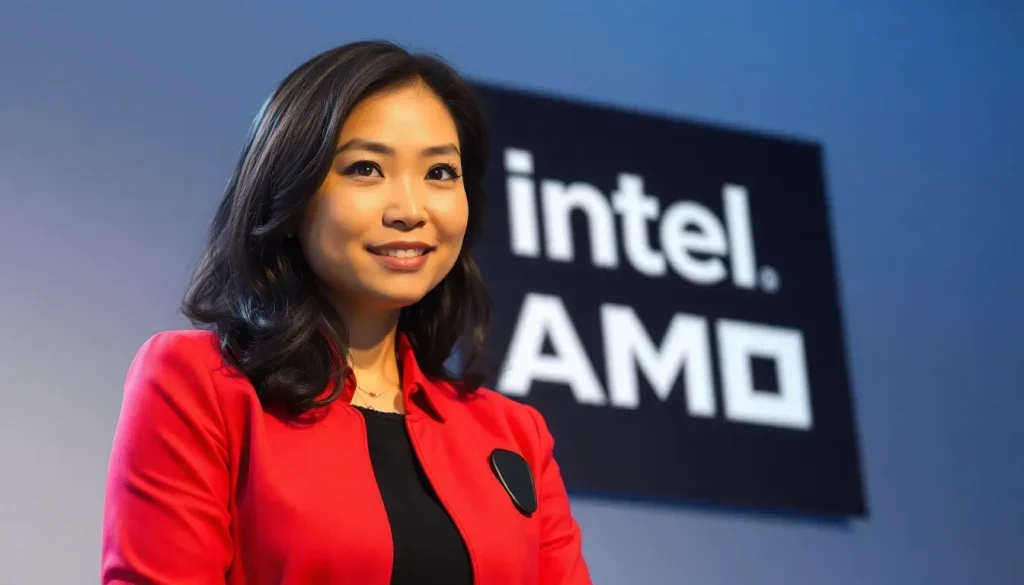
The tech industry is constantly evolving, with major companies like AMD and Intel at the forefront of innovation and competition. Recently, rumors emerged about a potential partnership between these two giants, sparking curiosity and speculation. The implications of such a collaboration could be vast, affecting not only their business models but also the landscape of the semiconductor industry as a whole. Let's delve into the details of this potential partnership and the responses from AMD's leadership.
Exploring the AMD and Intel Rumors
Last week, buzz circulated that AMD was in talks with Intel regarding a potential partnership. The conversation centered on the possibility of AMD outsourcing part of its CPU production to Intel, which would utilize Intel's advanced 18A manufacturing process. This news sent ripples through the tech community, leading many to wonder whether such a partnership could reshape the competitive dynamics between the two companies.
However, during an interview, AMD's CEO, Lisa Su, provided a rather diplomatic response that left many questions unanswered. It appears that while the idea of collaboration sparked interest, the reality may be more complex.
Lisa Su's Response to Intel Partnership Speculations
In her statement, Lisa Su emphasized AMD's existing relationships and supply chain strategies. She noted, “As you know, the supply chain is something we work on very meticulously. I think we have a very strong supply chain. We are certainly very partnered with TSMC through our supply chain.”
This response indicates a clear preference for AMD's current supplier, TSMC (Taiwan Semiconductor Manufacturing Company), which has been a critical partner in AMD's success. The choice of words suggests that while collaboration with Intel is not off the table, it is not a priority at this moment.
Furthermore, the geopolitical climate, marked by tensions with China and shifting U.S. trade policies, complicates the narrative. Su reiterated the importance of U.S. production, stating, “We absolutely prioritize the U.S. because I think it’s super important.” This highlights AMD's intention to bolster its domestic manufacturing capabilities.
The Current State of AMD's Manufacturing Strategy
Currently, AMD relies heavily on TSMC for its manufacturing needs. TSMC is renowned for its cutting-edge semiconductor technology, particularly with the Zen architecture. The partnership has yielded successful product launches and significant advancements in processing power.
However, with the ongoing global supply chain challenges, especially in the context of semiconductor shortages, AMD's strategy may need to adapt. This is where the discussion of U.S. production becomes crucial. Here are some key points regarding AMD's current manufacturing strategy:
- Strong relationship with TSMC: AMD has successfully leveraged TSMC's technology to develop competitive products.
- Focus on U.S. manufacturing: Su's comments highlight a desire to increase production within the U.S. to mitigate risks associated with international supply chains.
- Geopolitical considerations: The tensions between the U.S. and China could influence AMD's decisions regarding manufacturing partnerships.
- Investment in R&D: AMD is continually investing in research and development to enhance its technological capabilities.
Potential Implications of an AMD-Intel Partnership
If AMD and Intel were to form a partnership, the implications could be significant for the semiconductor industry. Here are several potential outcomes:
- Enhanced technological collaboration: A partnership could lead to shared resources and technological advancements, benefiting both companies.
- Increased competition: Collaboration may push competitors to innovate more quickly in response to the combined strengths of AMD and Intel.
- Market diversification: By diversifying their manufacturing sources, both companies could mitigate risks associated with supply chain disruptions.
- Consumer benefits: Enhanced competition and innovation could lead to better products and prices for consumers.
Historical Context of AMD and Intel Relationships
To fully understand the potential partnership, it’s essential to reflect on the historical context of AMD and Intel's relationship. Over the years, these companies have been fierce competitors in the CPU market, each vying for market share and technological supremacy.
In the past, AMD has successfully challenged Intel's dominance through innovative products and competitive pricing. The rivalry has been characterized by:
- Product launches: Significant releases, such as AMD's Ryzen series, have shifted market dynamics.
- Legal battles: The companies have engaged in various legal disputes over patent issues and unfair competition.
- Market positioning: AMD has positioned itself as a value-driven alternative in contrast to Intel's premium offerings.
Looking Ahead: The Future of AMD and Intel
The future of AMD and Intel remains uncertain, particularly in light of recent discussions. As both companies navigate the complexities of the semiconductor industry, their strategies will likely evolve based on market demands and geopolitical factors.
One aspect to consider is the increasing importance of artificial intelligence and machine learning in computing. As both companies seek to capture this growing market, collaboration could become more appealing. In fact, Lisa Su recently discussed a significant chip deal with OpenAI, highlighting AMD's ambitions in the AI sector.
For those interested in deeper insights into AMD's strategies and partnerships, consider watching this video where Lisa Su discusses the chip deal with OpenAI:
Conclusion
While the rumors of a partnership between AMD and Intel are intriguing, the reality is that both companies have complex strategies that prioritize their current relationships and market positions. As Lisa Su highlighted, AMD remains committed to its partnership with TSMC while exploring opportunities for U.S.-based production. The industry will be watching closely to see how these dynamics unfold in the coming months and years.



Leave a Reply