
RTX 5090 degradation and power supply issues lead to burned GPUs
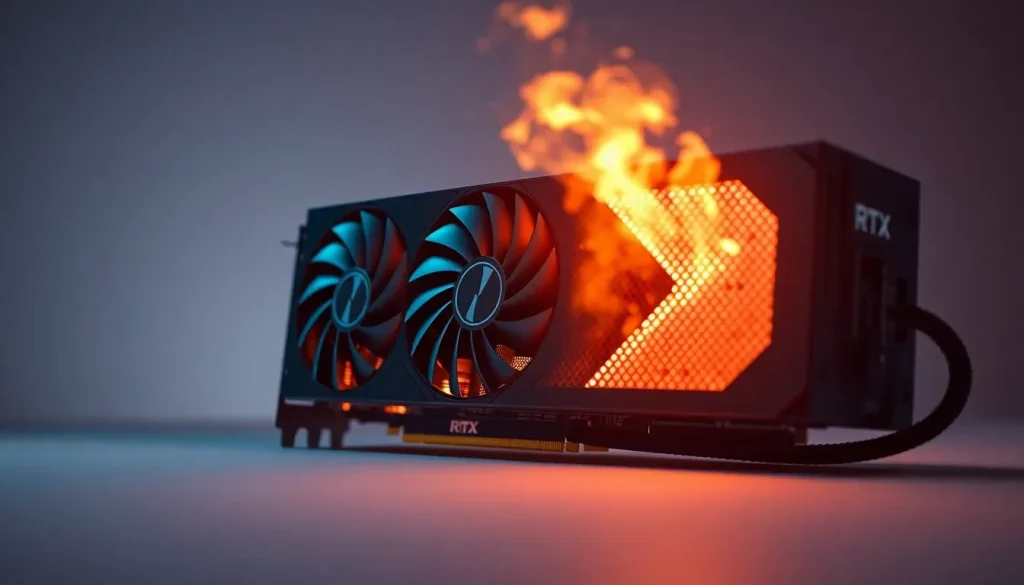
The launch of NVIDIA's RTX 5090 graphics cards has generated significant excitement and anticipation among gamers and tech enthusiasts alike. However, recent reports of hardware failures have raised serious concerns about the reliability of these high-performance GPUs. In just three days, four cases of burnt RTX 5090 graphics cards have emerged, leaving users alarmed and questioning the quality of the components involved. Let's delve deeper into the issues surrounding these incidents and explore the potential implications for users and manufacturers alike.
- Four RTX 5090 graphics cards burnt in just three days: A concerning trend
- Identifying the common failure: Degradation of cables and connectors
- Common symptoms: A closer look at the failures
- Performance under scrutiny: Reduced settings still lead to failures
- Preventative measures: What can users do?
- Conclusion: The impact on NVIDIA and the graphics card market
Four RTX 5090 graphics cards burnt in just three days: A concerning trend
Since the initial reports of consumption and amperage issues related to the 12V-2x6 connector used in RTX 5090 cards, there has been growing unease. In the past three days alone, we have witnessed an unprecedented surge in reports, with four separate instances of burnt RTX 5090 cards. This situation is far from normal and reflects a troubling trend that has been developing over the last nine months.
Despite hopes that the issues associated with the 12VHPWR and 12V-2x6 connectors had been somewhat resolved, recent failures have reignited concerns. Users on various forums, particularly Reddit, have shared their experiences of burnt cables and adapters after normal usage, suggesting that the problem may be more widespread than previously thought.
Identifying the common failure: Degradation of cables and connectors
What stands out in these incidents is a shared vulnerability: all cases involve the same type of adapter, specifically the 4 × 8 pin to 12VHPWR (or 12V-2x6) adapter provided with the RTX 5090. Notably, none of the affected users utilized native ATX 3.0 or ATX 3.1 cables. Even though the connectors appeared to be correctly inserted, damage consistently occurred at the end connected to the GPU.
The reports stem from various brands, including MSI and PNY, suggesting that this is not an isolated issue tied to a single manufacturer. The simultaneous timing of these failures, coupled with the type of adapter in use, points towards a potential design flaw or thermal fatigue affecting the connectors distributed with the RTX 5090. Below is a summary of the individual cases:
- MSI Ventus 5090: After six months of seamless operation, the adapter connector melted, causing significant damage.
- MSI Gaming Trio 5090: A user who purchased the card on launch day faced a similar meltdown after half a year, with no overclocking involved.
- Another MSI Ventus 5090: Purchased in April, the connector burned out after five months, showcasing consistent patterns among failures.
- PNY RTX 5090: This case demonstrated that the issue is not limited to MSI, as the adapter also failed after five months of use.
Common symptoms: A closer look at the failures
Each of these cases exhibits similar damage patterns, reinforcing the idea that the problem lies not within the graphics cards themselves but rather in the intermediary adapters. The degradation appears to be gradual, likely related to the accumulated contact resistance. Users are reporting the following symptoms:
- Visible burning or carbonization at the adapter connector.
- Loss of functionality in the affected graphics card.
- Heat buildup specifically located at the connection point to the GPU.
The consistency of these failures raises serious concerns about the reliability of the adapters included with the RTX 5090. If these incidents continue, we may witness a larger-scale issue reminiscent of previous widespread failures in GPU models.
Performance under scrutiny: Reduced settings still lead to failures
The alarming aspect of these incidents is that users have reported problems even when operating under reduced performance settings. Many affected individuals employed techniques such as undervolting and underclocking their GPUs. Some users consistently played demanding games while utilizing DLSS, keeping power consumption between 200W and 300W. This indicates that the issue is not merely a result of users pushing their hardware to its limits.
Given the high cost of these graphics cards and the associated power supplies, the situation is severe. Users are understandably frustrated by the lack of accountability and the absence of collective legal action against NVIDIA and the manufacturers. The question remains: are these isolated incidents, or is there a more extensive problem that is not being reported?
Preventative measures: What can users do?
If you own an RTX 5090, it's crucial to take proactive steps to mitigate potential risks. Here are some recommendations:
- Consider replacing your PSU cables with official ones periodically to ensure compatibility and safety.
- Keep an eye on any signs of wear or overheating at the adapter connections.
- Stay updated on firmware or driver releases from NVIDIA that may address these issues.
Additionally, investing in monitoring devices that alert users to abnormal current levels could be beneficial. However, it's essential to note that these devices may not prevent damage but could provide early warnings for users.
Conclusion: The impact on NVIDIA and the graphics card market
The troubling reports surrounding the RTX 5090 raise significant questions about the quality control processes at NVIDIA and the manufacturers involved. As users continue to express their concerns online, it is clear that both NVIDIA and the manufacturers must address these issues transparently. The future of the RTX 5090 and its reception in the market may depend on their response to these failures.
With the potential for widespread incidents, it is essential for consumers to stay informed and cautious. The situation serves as a reminder of the importance of quality components and the implications of design flaws within high-performance hardware. Whether these incidents will lead to substantial changes in manufacturing practices remains to be seen, but the conversations surrounding product reliability are growing louder.



Leave a Reply