
Valencia Port, leader in maritime connectivity in Spain and Europe
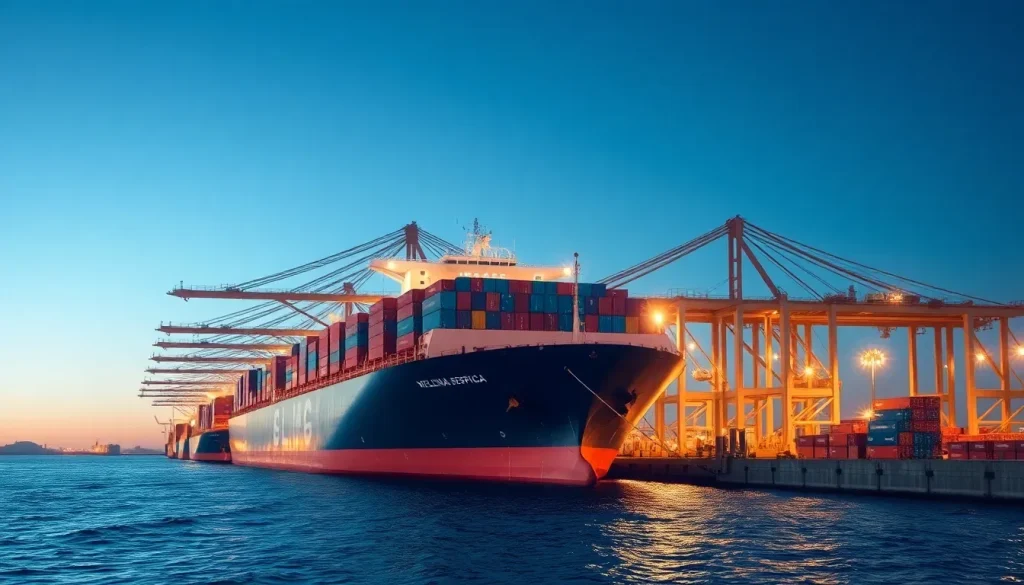
The maritime industry plays a crucial role in global trade, and ports are the gateways that facilitate this movement of goods. Among these, the Port of Valencia stands out as a leading hub, not only within Spain but also across Europe. Understanding its significance can provide valuable insights into the dynamics of maritime connectivity and the economic impact on regional trade.
The Port of Valencia: A Leader in Maritime Connectivity
The Port of Valencia has firmly established itself as the leading Spanish port in maritime connectivity and ranks fourth in Europe. This position is underscored by the latest Port Liner Shipping Connectivity Index (PLSCI) published by the UNCTAD, which reflects data from the third quarter of 2025.
With a score of 586.39 points, the Port of Valencia is not only the most connected port in Spain but also a significant player in the European maritime landscape. It is surpassed only by the major ports of Rotterdam, Antwerp, and Hamburg, showcasing its competitive edge in the shipping industry.
Valencia's Strategic Importance
Valencia's geographic location along the Mediterranean coast makes it a strategic point for international trade. The port is essential for:
- Facilitating import and export activities.
- Connecting Europe with key markets in Africa and Asia.
- Supporting regional economies through trade and logistics.
In comparison, the Port of Algeciras ranks fifth in Europe, while Barcelona follows closely in seventh place. This positioning indicates Valencia's dominance in facilitating maritime operations in the region.
Spain's Maritime Connectivity in Context
Beyond individual port rankings, Spain has emerged as a leader in maritime connectivity within the European Union. The country ranks eighth globally, achieving a score of 421.13 points. This surpasses the traditionally strong maritime nations like the Netherlands and Belgium, further enhancing Spain's reputation in global shipping.
Understanding the Port Liner Shipping Connectivity Index
The PLSCI evaluates various factors critical to assessing maritime connectivity, including:
- The number of shipping companies operating within the port.
- The capacity of vessels docking at the port.
- The frequency of port calls by international shipping lines.
- The direct connections to other ports.
- The overall annual container throughput measured in TEUs (Twenty-foot Equivalent Units).
Globally, Asian ports dominate the rankings, with Shanghai leading the pack with an impressive score of 2,433.97 points. However, Valencia's position within the Mediterranean highlights its importance as a major logistical hub.
Implications for Trade and Logistics
Valencia's status as a top maritime port has significant implications for trade and logistics:
- It serves as a crucial logistics hub, facilitating the movement of goods across Europe.
- Its connectivity supports supply chains and enhances trade efficiency.
- Valencia is increasingly recognized as a vital entry and exit point for goods, benefiting both national and international trade.
The competitive nature of the Valencian port system reinforces its role in global supply chains, making it a key player in the logistics sector. This enhances the economic stability of the region and promotes growth in related industries.
Future Prospects and Developments
As the maritime industry continues to evolve, the Port of Valencia is poised to adapt and grow. Future developments may include:
- Investment in infrastructure to accommodate larger vessels.
- Enhancements in digital technologies for efficient logistics management.
- Initiatives aimed at sustainability and reducing environmental impact.
For instance, the port is exploring the use of hydrogen as a clean energy source, positioning itself as a leader in sustainable maritime practices. This not only aligns with global efforts to combat climate change but also attracts environmentally conscious shipping companies.
Valencia's Role in Global Supply Chains
The Port of Valencia's connectivity and strategic location make it a vital component of international supply chains. By facilitating seamless trade routes, it plays a crucial role in supporting various industries, including:
- Agriculture: Exporting fresh produce to global markets.
- Manufacturing: Importing raw materials and exporting finished goods.
- Logistics: Serving as a hub for distribution to other European countries.
This interconnectedness not only enhances Valencia’s economic resilience but also promotes collaboration between businesses and governments, fostering a robust trading environment.
Visualizing Valencia's Maritime Operations
To gain a deeper understanding of the Port of Valencia's operations and its significance, you can watch this informative video:
This visual representation showcases the port's facilities, operations, and its role in the broader shipping industry.
Conclusion
The Port of Valencia’s leadership in maritime connectivity not only enhances Spain's trade capabilities but also solidifies its position as a crucial player in European logistics. With ongoing developments and a focus on sustainability, the port is set to maintain its competitive edge in the ever-evolving maritime landscape.
For more updates on maritime logistics and industry news, connect with us on our social media platforms: Facebook, Instagram, and YouTube.



Leave a Reply