
Yard Automation Streamlining Fleet Logistics Efficiency
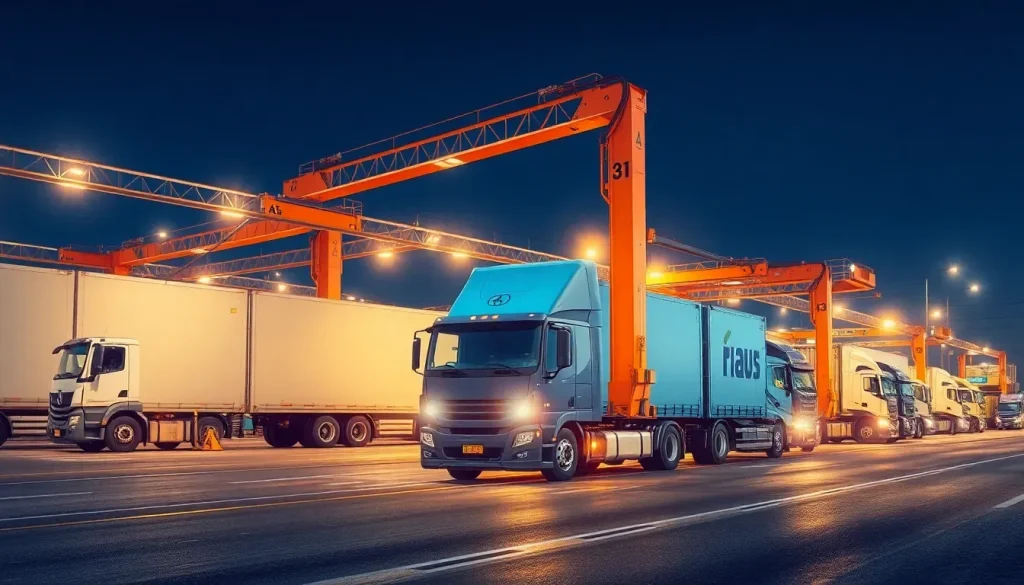
As the trucking industry evolves, automation is not just a concept; it’s a rapidly adopted reality that is reshaping logistics. One of the most promising applications of this technological advancement is in yard operations, where efficiency and productivity are paramount. Autonomous yard tractors are emerging as vital tools that can help fleet managers reduce idle time and ensure seamless movement across facilities. Autonomous Solutions Inc. (ASI) has introduced its innovative Mobius platform, designed to enhance operations across ports, intermodal yards, and industrial sites, providing a robust solution to the challenges of modern logistics.
- Diverse Applications of Autonomous Yard Trucks
- Flexibility and Scalability of the Mobius Platform
- Seamless Integration with Existing Infrastructure
- Reliability Expectations in Autonomous Systems
- Ensuring Safety Through Redundancy
- Bridging Labor Gaps and Enhancing Operational Scalability
- The Impact of Automation on Logistics Efficiency
- The Role of AI in Fleet Management
Diverse Applications of Autonomous Yard Trucks
The applications for autonomous yard trucks are extensive and varied, impacting several critical sectors within the logistics and transportation industry. According to Doug Taylor, product manager at ASI, the most significant areas where these trucks operate include:
- Ports and port facilities
- Intermodal facilities
- Distribution centers
- Warehouses
- Manufacturing plants, facilitating the movement of raw materials
ASI’s technology is designed to support this wide array of applications through a scalable and adaptable control platform, which can adjust to the unique demands of each environment and operational requirement.
Flexibility and Scalability of the Mobius Platform
Mitch Torrie, director of sales engineering at ASI, highlights the flexibility and scalability of the Mobius platform. It is engineered to adapt to various vehicle types and operational sites. The platform’s capabilities include:
- Dynamic mapping adjustments during operations
- Prioritization of vehicle assignments based on real-time needs
- Management of diverse fleets across different manufacturers
This level of adaptability allows operators to optimize performance continuously, ensuring that yard operations remain efficient and effective.
Seamless Integration with Existing Infrastructure
Integrating autonomous technology into existing operations poses its set of challenges; however, ASI is committed to adapting solutions rather than replacing established systems. According to Torrie, the integration process typically involves:
- Collaborating with clients to understand their existing command systems
- Identifying the necessary interface protocols
- Implementing integration using common or customized interfaces
This approach ensures a smooth transition to autonomy, minimizing disruptions and maximizing operational efficiency.
Reliability Expectations in Autonomous Systems
As autonomous technologies become integral to daily operations, expectations for reliability are continuously rising. Drew Larson, vice president of business development at ASI, emphasizes that users expect these systems to function seamlessly, with minimal tolerance for issues. The key to lasting success in this field lies in:
- Delivering consistent solutions that meet or exceed the original value proposition
- Maintaining high uptime and operational reliability
Technological longevity in the market is often reserved for those companies that can provide dependable solutions over time.
Ensuring Safety Through Redundancy
To uphold the high reliability standards expected by users, ASI has incorporated multiple layers of safety and redundancy into the Mobius platform. This comprehensive safety framework includes:
- Redundant command and control systems
- Monitoring of critical subsystems such as braking, steering, and transmission
- Proximity control measures between vehicles and designated map boundaries
This layered approach to safety ensures that all operational risks are mitigated, fostering a secure environment for both the vehicles and their operators.
Bridging Labor Gaps and Enhancing Operational Scalability
Labor shortages have emerged as a significant challenge in yard operations, prompting many companies to seek innovative solutions. ASI’s chief financial officer, Jed Jones, notes that their platform helps bridge these gaps effectively. Key features include:
- Centralized oversight through dynamic task assignment
- Enabling a single operator to manage large fleets efficiently
- Facilitating exception handling as operational needs change
The Mobius platform exemplifies how autonomy can enhance productivity and solve pressing labor challenges, ultimately ensuring continuous freight movement.
The Impact of Automation on Logistics Efficiency
Automation is revolutionizing logistics efficiency by streamlining yard operations. By eliminating manual processes and reducing idle times, fleet managers can focus on strategic decision-making rather than day-to-day operational hassles. This shift allows for:
- Increased throughput in yard operations
- Reduced operational costs through improved resource utilization
- Enhanced data collection for performance analysis and decision-making
As a result, logistics companies are better positioned to respond to market demands and improve service delivery.
The Role of AI in Fleet Management
Artificial Intelligence (AI) is playing an increasingly critical role in fleet management by enhancing decision-making and operational insights. AI algorithms can analyze vast amounts of data to optimize routes, predict maintenance needs, and improve overall fleet performance. As logistics companies adopt AI technologies, they can expect:
- Better forecasting of demand patterns
- Enhanced route optimization for fuel savings
- Improved safety through predictive analytics
This integration of AI not only elevates operational efficiency but also enhances the ability to adapt to changing market conditions.
For those interested in a deeper understanding of how yard automation can streamline logistics, this informative video provides valuable insights:
As platforms like Mobius continue to evolve, they represent not just a technological advancement but a paradigm shift in how logistics operations are managed, significantly enhancing the efficiency and reliability of fleet operations.



Leave a Reply