
The Full Nerd Episode 16: The Future of PC Audio and Soundcards
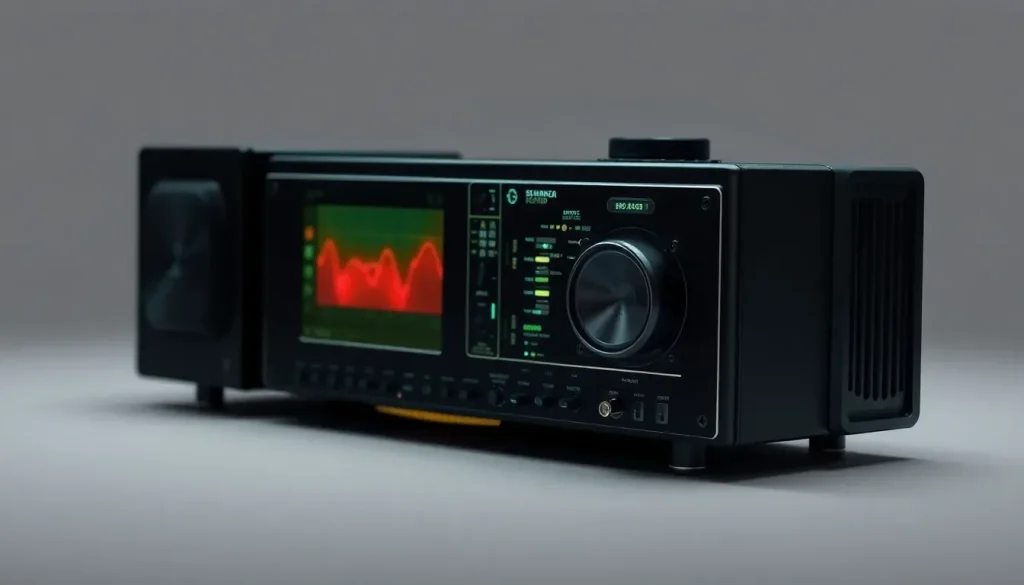
In the ever-evolving landscape of PC gaming, one question has emerged as particularly intriguing: What happened to dedicated soundcards? This topic has been explored in various forums and podcasts, but it truly comes a head in the latest episode of The Full Nerd. Join us as we delve deeper into the state of PC audio, its challenges, and its potential future.
In this episode, host Gordon Mah Ung is joined by experts Brad Chacos and Adam Patrick Murray, along with special guest Ryan Schlieper from Creative Labs. Together, they tackle the critical question: Who killed PC gaming audio?
The Evolution of PC Audio
To understand the current state of PC audio, it’s important to look back at its evolution. Initially, computers relied on basic sound output capabilities, which evolved into dedicated soundcards that significantly enhanced audio quality and capabilities. Here’s a brief overview of this evolution:
- Early Days: Sound output was primarily handled by the motherboard, offering limited audio fidelity.
- Introduction of Soundcards: Late 1980s to early 1990s saw the emergence of soundcards like the Sound Blaster, which allowed for stereo sound and better audio processing.
- 3D Audio Experience: In the late 1990s, advancements in technology introduced 3D positional audio, creating immersive gaming experiences.
- Integration into Motherboards: By the 2000s, onboard audio solutions became commonplace, reducing the need for dedicated soundcards.
- Resurgence of Interest: Recent years have seen a renewed focus on high-fidelity audio, with some gamers advocating for high-end soundcards.
This timeline illustrates how PC audio has transformed over the decades. The integration of sound capabilities into motherboards has often overshadowed dedicated soundcards, leading to the question of whether these cards still hold relevance.
The Current State of Soundcards
Currently, the landscape for soundcards is mixed. On one hand, many gaming enthusiasts still appreciate dedicated soundcards for their superior audio processing and features. On the other hand, the majority of casual gamers find that onboard audio suffices, resulting in declining sales for soundcard manufacturers.
Some key points to consider about the current state of soundcards include:
- Quality vs. Convenience: While soundcards can provide superior audio quality, the convenience of onboard sound has made it the default choice for many users.
- Market Demand: The demand for dedicated soundcards has decreased, but niche markets still exist for audiophiles and serious gamers.
- Technological Advancements: Recent innovations have improved onboard audio quality, making it harder for soundcards to differentiate themselves.
Understanding the Audio API Wars
In addition to hardware developments, the competition between audio APIs (Application Programming Interfaces) has also shaped the PC audio landscape. APIs such as DirectSound, OpenAL, and the more recent Windows Sonic and Dolby Atmos have each influenced how developers approach audio in games.
The ongoing "audio API wars" revolve around a few key factors:
- Compatibility: Ensuring that games run smoothly across different systems is paramount.
- Performance: APIs must utilize system resources efficiently to avoid lag and maintain sound quality.
- Features: The ability to deliver advanced audio experiences, such as 3D sound and positional audio, is a critical battleground.
As these APIs evolve, they continue to influence how audio is incorporated into gaming experiences, pushing the boundaries of what gamers can expect from their setups.
The Resurgence of 3D Positional Audio
Interestingly, 3D positional audio has regained importance in recent gaming. With the rise of virtual reality (VR) and immersive gaming experiences, the need for accurately placed sound has become paramount. Gamers now expect sound to reflect their environment, enhancing realism.
Some aspects driving this resurgence include:
- Immersive Gameplay: Games like Half-Life: Alyx and other VR titles rely heavily on 3D audio to create an engaging experience.
- Competitive Gaming: In fast-paced games, sound cues can be pivotal for situational awareness and strategy.
- Advancements in Hardware: The development of high-quality headphones and surround sound systems has made 3D audio more accessible and desirable.
The Future of Soundcards
Looking ahead, the future of dedicated soundcards remains uncertain. Although they may never return to the prominence they once held, there are several factors that could influence their evolution:
- High-Resolution Audio: As digital music and gaming move towards higher resolutions, soundcards that can process and output high-fidelity audio may see renewed interest.
- Specialized Features: Soundcards that offer unique capabilities, such as advanced mixing or audio tuning, may find their niche in the market.
- Integration with Streaming: As more gamers stream their gameplay, soundcards could serve as valuable tools for audio management.
Ultimately, whether soundcards will flourish or fade away depends on the evolving needs of gamers and advancements in technology. The relationship between PC audio, hardware, and user expectations will continue to shape this dynamic field.
Engage with the Community
Have burning questions or insights about PC audio? Join the conversation! The team at The Full Nerd encourages listeners to drop their queries or comments in the discussion section. Reach out via email at [email protected] for a chance to have your voice heard in future episodes.
For those who prefer visual content, watch the latest episode of The Full Nerd on YouTube:
If audio fits your style better, tune in to The Full Nerd on SoundCloud and enjoy the discussions on-the-go.
Subscribe to Stay Updated
Don’t miss out on future episodes! You can subscribe to The Full Nerd on various platforms:
For the latest updates and episodes, check out the PCWorld website or visit our SoundCloud page for audio editions. We welcome your feedback and look forward to your participation in our auditory journey through the world of PC audio.

Leave a Reply