
Seagate develops Composable Memory Appliance with CXL technology
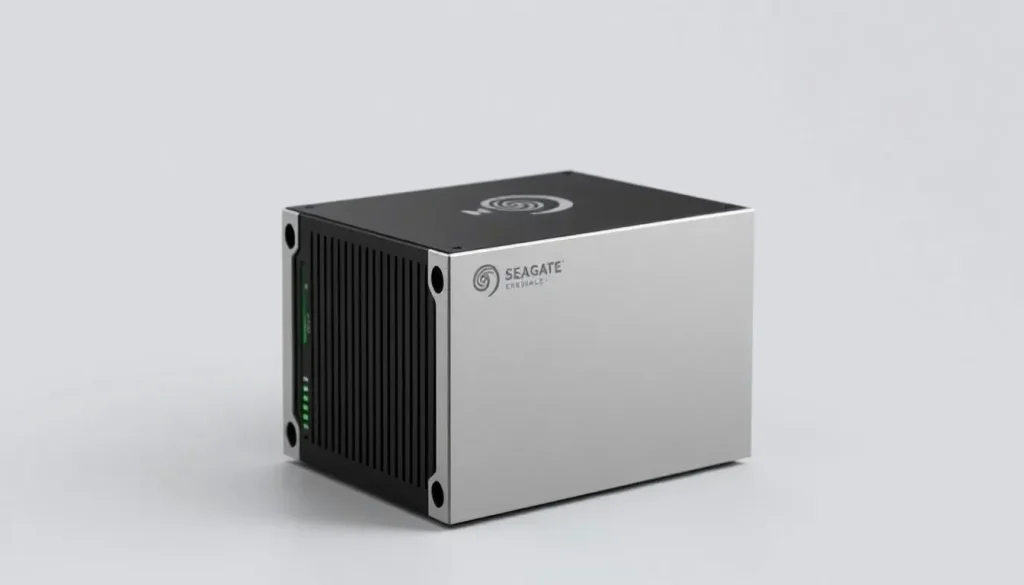
Seagate, a notable player in the storage solutions industry, is embarking on an innovative journey by collaborating with ZeroPoint Technologies to develop advanced memory solutions. At the recent OCP Global Summit held in San Jose, California, the two companies showcased hardware-accelerated compression techniques aimed at enhancing memory performance through Compute Express Link (CXL) technology. This strategic partnership could revolutionize how data is managed and stored, paving the way for more efficient and cost-effective memory solutions.
Understanding Composable Memory Appliances
Seagate's exploration into Composable Memory Appliances (CMA) signifies a pivotal shift in memory architecture. The CMA aims to create a flexible, scalable, and high-performance memory environment that can efficiently respond to various computing demands. By employing CXL technology, these appliances are designed to connect multiple endpoints, allowing diverse systems to access shared memory resources seamlessly.
A key feature of the CMA is its ability to support simultaneous connections to multiple end-points. This is crucial in modern computing environments where the demand for quick data access and processing continues to grow. The use of CXL as a foundational technology enables faster communication between devices, effectively enhancing overall system performance.
Key Features of CXL Memory Technology
CXL technology stands out due to its ability to unify memory and storage resources, providing a more efficient architecture for handling data. Some of the core advantages include:
- Increased Memory Capacity: CXL allows for a collective pool of memory resources, which can be allocated as needed across multiple servers.
- Enhanced Performance: By utilizing memory expansion techniques, CXL reduces latency and increases bandwidth, facilitating faster data transfer.
- Scalability: The architecture can easily scale to accommodate growing data demands, making it suitable for various applications from cloud computing to AI workloads.
Composable Fabric Manager: A Brain Behind CMA
At the heart of Seagate's CMA is the Composable Fabric Manager (CFM), a sophisticated software tool that manages the interactions between the memory appliances and their clients. Available on GitHub, the CFM provides an interface for clients to interact with the CMA effectively. It features:
- OpenAPI Interface: This north-side interface enables clients to communicate flexibly with the CMA.
- Redfish Interface: The south-side interface is essential for managing composable memory appliances and CXL hosts, ensuring smooth operations.
Furthermore, Seagate has published a detailed architecture specification for the CFM on the OCP website. This documentation outlines the minimum APIs required for managing composable memory systems, enhancing transparency and usability for developers.
The Role of ZeroPoint Technologies
ZeroPoint Technologies contributes significantly to this partnership with its DenseMem technology. This innovative solution enhances memory capacity through hardware-accelerated compression, achieving capacity boosts of 1.85x to 2.25x. Here are some of the critical aspects of DenseMem technology:
- Transparent Compression: The technology allows for inline memory compression and decompression without impacting latency or bandwidth adversely.
- Efficient Design: DenseMem is designed to be area and power-efficient, making it an attractive option for integration into memory devices.
- Real-time Operations: The compression and management operations occur at main memory speeds, ensuring fast and efficient data handling.
Integrating DenseMem into the CMA's controller chip enables the creation of compressed memory tiers that optimize both space and performance. This integration is crucial for modern applications requiring swift access to large datasets.
Advantages of the Composable Memory Architecture
The CMA architecture provides various advantages, especially in high-performance computing environments. Some notable benefits include:
- Cost Efficiency: By substantially increasing the effective memory capacity, organizations can reduce the costs associated with traditional DRAM.
- Improved Resource Utilization: The shared memory model allows for better usage of available resources, thus maximizing performance.
- Flexibility: CMAs can be configured to meet specific application needs, providing tailored solutions for different workloads.
This flexibility is particularly beneficial in environments where workloads vary significantly, such as in cloud computing platforms and data centers.
Future Implications for Data Management
As Seagate and ZeroPoint further develop the CMA, the implications for data management and processing are vast. The potential for lower latency and higher bandwidth through CXL technology could redefine how organizations approach data-intensive applications. Furthermore, the ability to cache data effectively within the CMA's architecture facilitates quicker access to critical information.
Additionally, the CMA's compatibility with existing storage solutions, including Seagate's Nytro SSDs and Exos HDDs, opens up new avenues for integration and optimization. This compatibility ensures that organizations can leverage their current investments while transitioning to more advanced memory architectures.
For those interested in a deeper understanding of these advancements, a relevant resource is the video titled "Composable Memory Systems Overview and Progress 1." This video provides insights into the latest developments in composable memory technology and its applications.
Conclusion and Looking Ahead
The collaboration between Seagate and ZeroPoint Technologies represents a significant step toward more efficient memory solutions in computing. By harnessing the power of CXL technology and innovative compression techniques, the Composable Memory Appliance is well-positioned to meet the evolving demands of digital data management. As organizations increasingly seek to optimize their data workflows, the advancements in memory architecture herald exciting opportunities for improved performance and cost savings in the computing landscape.



Leave a Reply