
NVIDIA unveils autonomous driving platform and partners with Uber for robotaxis
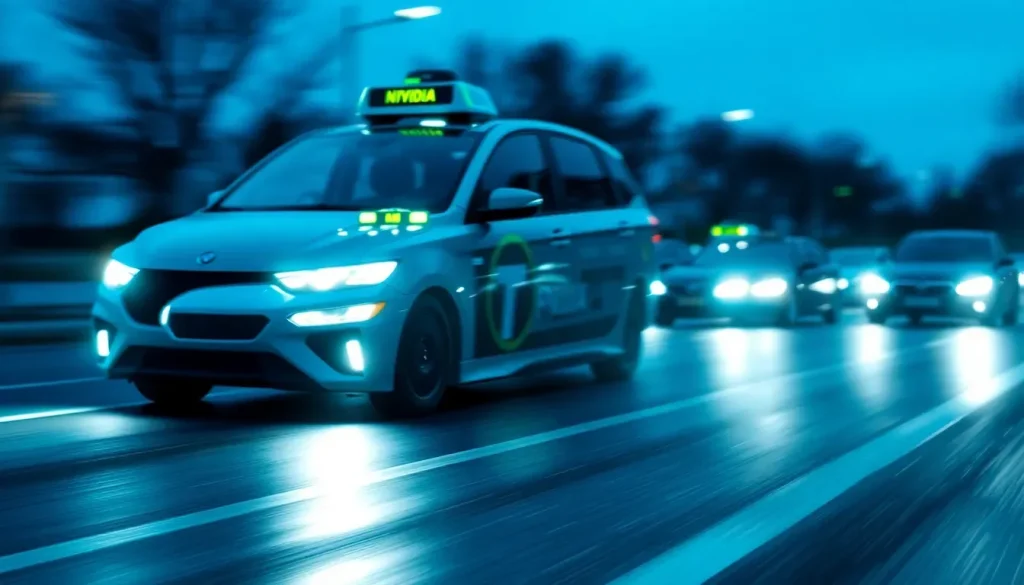
In a rapidly evolving technological landscape, NVIDIA is not just resting on its laurels as a leader in artificial intelligence hardware. The company is now making significant strides into the autonomous driving sector with its latest innovation, the DRIVE AGX Hyperion 10. This new platform aims to redefine the future of transportation by collaborating with major players like Uber, which plans to deploy 100,000 autonomous robotaxis using this cutting-edge technology.
The DRIVE AGX Hyperion 10 platform is built to facilitate a new era of autonomous vehicles, promising Level 4 driving capabilities. This level of autonomy indicates that vehicles can operate without human intervention in most environments, making them a viable option for urban transportation and logistics.
NVIDIA's DRIVE AGX Hyperion 10: A Game-Changer in Autonomous Driving
The DRIVE AGX Hyperion 10 platform is a comprehensive solution designed for manufacturers looking to integrate autonomous driving technology into their vehicles. Key features of this platform include:
- Powerful Processing Units: It incorporates 2 SoC DRIVE AGX Thor chips, capable of delivering an impressive 2,000 teraflops of real-time computing power.
- Advanced Sensor Suite: The platform comes equipped with 14 high-definition cameras, a LiDAR sensor, 12 ultrasonic sensors, and 9 radars, providing a comprehensive view of the vehicle's surroundings.
- Flexible Software Compatibility: NVIDIA DriveOS ensures compatibility with various Level 4 autonomous driving software, allowing manufacturers to adapt the system as needed.
Notably, the platform's modular and customizable design allows manufacturers to tailor the technology for different vehicle types, including cars, trucks, and buses. This flexibility is a crucial factor as the industry moves towards widespread adoption of autonomous driving technologies.
The Role of Artificial Intelligence in Autonomous Vehicles
Artificial intelligence is at the heart of NVIDIA's approach to autonomous driving. The DRIVE AGX Hyperion 10 utilizes VLA (Vision, Language, Action) models that enable real-time interpretation of complex driving scenarios. This capability allows the vehicle to respond dynamically to:
- Sudden changes in traffic flow
- Unstructured intersections
- Unpredictable human behavior
"By running VLA reasoning models in the vehicle, the autonomous car can interpret nuanced and unpredictable real-world conditions in real time." NVIDIA
This advanced AI framework not only enhances the vehicle's situational awareness but also improves safety, making autonomous driving a more reliable option for consumers.
Safety Mechanisms: Ensuring Secure Autonomous Driving
A critical aspect of the DRIVE AGX Hyperion 10's architecture is its robust safety framework known as Halos. This system addresses vital security concerns, including:
- Cybersecurity: Protecting vehicles from digital threats.
- Safe AI Development: Ensuring that AI systems are developed with safety as a priority.
Halos undergoes rigorous independent evaluations conducted by a consortium of companies, including renowned names such as Bosch and AUMOVIO. This collaborative effort aims to build trust in the safety and reliability of autonomous vehicles powered by NVIDIA technology.
Collaborations and Industry Impact
The partnership with Uber marks a significant milestone in NVIDIA's strategy to penetrate the autonomous vehicle market. Uber's ambitious plan to roll out 100,000 robotaxis by 2027 underscores the growing demand for autonomous transportation solutions. Other manufacturers also showing interest in the DRIVE AGX Hyperion 10 include:
- Volvo
- Aurora
- Mercedes-Benz
- Lucid
- Stellantis Group
This growing list of partnerships signifies a broader trend within the automotive industry, where companies are increasingly turning to third-party platforms to accelerate their autonomous driving initiatives. By leveraging NVIDIA's technology, these manufacturers can focus on creating innovative driving systems without the burden of developing comprehensive hardware solutions from scratch.
The Future of Autonomous Transportation
As NVIDIA continues to refine its DRIVE AGX Hyperion 10 platform, the implications for the future of transportation are profound. The convergence of advanced computing, sensor technology, and artificial intelligence is paving the way for a new era of mobility. Some potential developments include:
- Widespread Adoption: More manufacturers may embrace autonomous driving technologies, leading to a significant increase in the number of autonomous vehicles on the road.
- Improved Public Safety: With increased reliability and safety features, public acceptance of autonomous vehicles is likely to grow.
- New Business Models: Companies could explore innovative transportation solutions, including autonomous ride-sharing services and logistics.
The transition to autonomous vehicles will undoubtedly reshape cities, transportation infrastructure, and urban planning as society adapts to this new mode of travel.
For those interested in exploring the competition within the robotaxi landscape, the following video provides insightful perspectives on the ongoing race among tech giants:
As NVIDIA advances its initiatives in autonomous driving, the collaboration with Uber and the development of the DRIVE AGX Hyperion 10 will likely serve as a catalyst for innovation and growth within the autonomous vehicle sector, marking a pivotal moment in the evolution of transportation technology.



Leave a Reply