
American Trucklines in receivership based in Surrey, B.C.
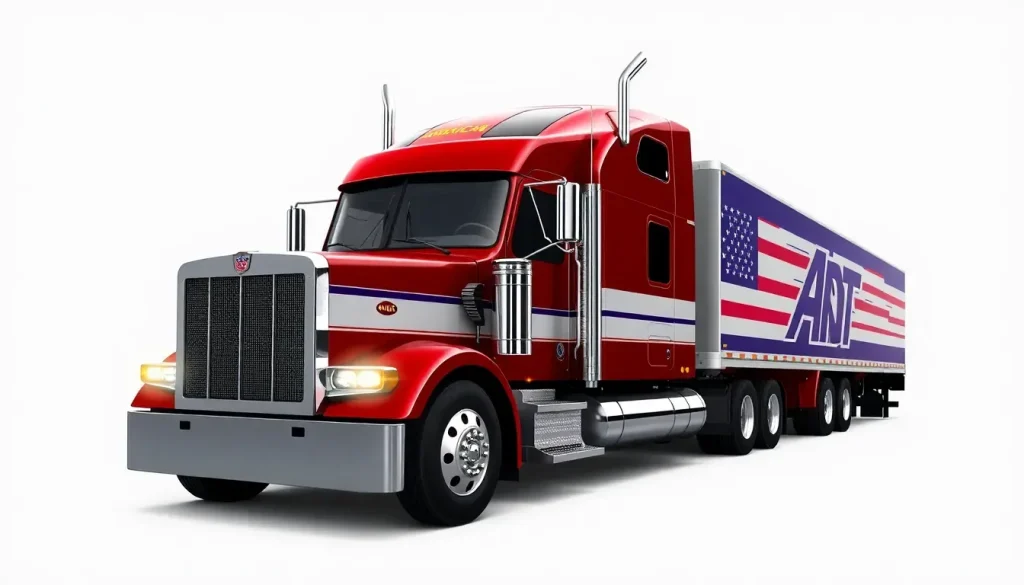
The trucking industry is a backbone of the economy, facilitating the movement of goods across vast distances. However, like any sector, it can face significant challenges, as evidenced by the recent developments involving American Trucklines, a company based in Surrey, British Columbia. The unfolding situation raises questions about the stability of businesses in this essential industry and the broader implications for stakeholders.
American Trucklines has recently entered receivership, a legal process that occurs when a company is unable to meet its financial obligations. This situation has arisen following revelations that the company owed $3.3 million to the Royal Bank of Canada (RBC), which accused it of defaulting on loan payments and failing to meet reporting obligations.
Details Surrounding the Receivership of American Trucklines
RBC's actions are rooted in serious concerns over the financial health of American Trucklines. Earlier this year, the bank expressed apprehension about potential fraudulent activities within the company, leading to the issuance of a demarket letter. This letter demanded full repayment of the outstanding amount within 90 days, a request that was reportedly unmet, as indicated by a recent affidavit.
Furthermore, the bank disclosed that a related property linked to American Trucklines is valued at approximately $800,000. However, this amount is deemed insufficient to cover the substantial debt owed to RBC. The company representatives had communicated to the bank that they were undergoing a “significant restructuring,” but RBC stated that they were not provided with any detailed financial statements or information regarding this process.
Tax Liabilities and Asset Concerns
Compounding the issues facing American Trucklines, RBC noted the existence of a crown charge against the company filed by the Canada Revenue Agency. This charge pertains to unpaid payroll deductions and GST/HST, which further complicates the financial landscape of the business. The implications of these tax liabilities are profound, as they can result in legal actions and additional financial strain.
In terms of assets, RBC believes that the majority of American Trucklines' trucks and equipment are financed through third parties. This situation significantly limits the company’s ability to recover any assets, as very few of them are unencumbered. The financial entanglements mean that even if the company were to liquidate, potential recoveries for creditors could be minimal.
Appointment of the Receiver
In light of these developments, Grant Thornton Limited has been appointed as the receiver for American Trucklines. The firm's role will be to oversee the process of receivership, managing the assets and liabilities while seeking to maximize recovery for creditors. This situation underscores the complexity and urgency required in managing distressed companies.
The companies involved in this receivership include:
- 0994391 B.C. Ltd. (operating as American Trucklines)
- ATL Transport Ltd.
- 1342499 B.C. Ltd.
Implications for the Trucking Industry
The challenges faced by American Trucklines are not unique; they reflect broader trends in the trucking industry, particularly in a post-pandemic landscape. The sector is grappling with various hurdles, including rising fuel costs, supply chain disruptions, and labor shortages. Each of these factors can exacerbate financial instability within transportation companies.
As companies like American Trucklines navigate these turbulent waters, it is essential for industry stakeholders to remain vigilant and informed. Keeping abreast of trends and changes can provide valuable insights into the potential risks and opportunities that exist within the market.
Industry Response and Future Outlook
The response from the industry to events like the receivership of American Trucklines can vary. Some companies may tighten credit terms and reassess partnerships, while others may see this as an opportunity to acquire assets at a lower cost. Additionally, regulatory bodies may increase scrutiny on financial practices within the industry to protect against similar occurrences.
The future of American Trucklines remains uncertain, but the outcomes of this receivership will likely influence strategic decisions among competitors and stakeholders in the trucking sector. As the situation progresses, it will be crucial for companies to adapt and innovate to survive in an increasingly challenging environment.
For those interested in gaining further insights into the trucking industry's current state and future challenges, the following video may provide valuable perspectives:
In conclusion, the situation surrounding American Trucklines serves as a critical reminder of the complexities within the trucking industry and the need for robust financial management. As businesses continue to navigate through these challenges, the focus must remain on transparency, accountability, and strategic planning to ensure sustainability and growth.



Leave a Reply