
Apple wins part of AirPods Pro crackling lawsuit
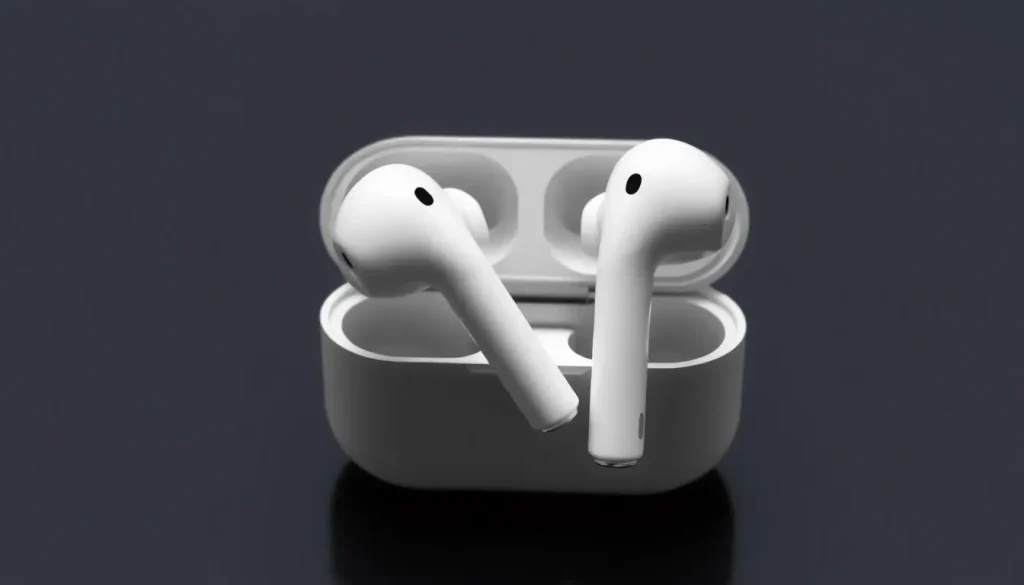
In recent months, Apple has faced increasing scrutiny regarding the performance issues of its popular audio device, the AirPods Pro. A class action lawsuit alleging that the tech giant failed to address crackling sounds and Active Noise Cancellation (ANC) problems has drawn significant attention. As the legal proceedings evolve, the implications for consumers and the company itself are unfolding in fascinating ways.
With a growing user base and rising expectations for audio technology, consumers are keenly interested in how Apple will respond to this situation. Understanding the details of the lawsuit and the nature of the alleged defects is crucial for current and prospective AirPods Pro users.
Understanding the issues with AirPods Pro 1
The first-generation AirPods Pro, released to much fanfare, quickly became a favorite among audiophiles and casual listeners alike. However, users soon began reporting various audio issues, prompting Apple to launch a service program in October 2020. This initiative aimed to address the sound-related problems stemming from a manufacturing defect.
According to Apple, the affected units were those manufactured prior to October 2022, and the company promised to replace them free of charge. The problems identified included:
- Crackling or static sounds: These noises often became more pronounced in loud environments, particularly during physical activities or phone calls.
- Active Noise Cancellation malfunction: Users reported diminished bass and increased background noise, undermining the core feature of the AirPods Pro.
Such issues not only affected user experience but also raised questions about Apple’s quality control processes. The fact that a premium product was experiencing these defects led to widespread dissatisfaction among users, many of whom relied on the AirPods Pro for both leisure and professional use.
Overview of the class action lawsuit against Apple
In light of these persistent issues, a class action lawsuit was filed against Apple last year. The suit alleged that the company misrepresented the ANC capabilities of the first-generation AirPods Pro and failed to adequately disclose known defects. The plaintiffs argued that customers were misled about the quality and reliability of the product they purchased.
According to the lawsuit, the service program designed to remedy these defects was ineffective. Many users reported receiving replacement units that were also plagued by the same audio issues. The claims highlighted an ongoing frustration: consumers felt that they were not receiving value for their investment in a high-end product.
Recent developments in the legal proceedings
This week, Reuters reported that Apple secured a partial victory in the ongoing lawsuit. A U.S. District Judge, Noël Wise, dismissed certain elements of the case, particularly those related to nationwide consumer protection and warranty allegations. The judge determined that the plaintiffs did not provide enough factual detail to support these claims.
However, the court did not dismiss the entire lawsuit. The judge allowed the plaintiffs to proceed with claims that Apple omitted significant information regarding the sound quality of its AirPods Pro. Moreover, the court deemed it premature to evaluate whether Apple had a responsibility to disclose defects after the standard one-year warranty had expired.
As the case continues, affected users may have the opportunity to join the class action, potentially leading to further developments in the fight for accountability from one of the world's most valuable companies.
Impact on consumers and future considerations
The implications of this lawsuit extend beyond Apple and its customers. They raise important questions about consumer rights and corporate responsibility in the tech industry. The outcome of this case could set a precedent for how companies manage product defects and customer satisfaction.
For consumers, the ongoing litigation serves as a reminder to thoroughly research any electronic device before purchase, especially high-end products like the AirPods Pro. Here are some considerations for users:
- Stay informed: Follow news related to product recalls and legal actions that may affect your devices.
- Document issues: Keep records of any problems experienced with your AirPods Pro, as this may be relevant if legal action progresses.
- Utilize warranty options: If you are experiencing issues, make sure to take advantage of Apple’s service programs.
As the situation unfolds, it will be interesting to see how Apple adapts its practices and policies in response to consumer feedback and legal challenges. The tech giant has often positioned itself at the forefront of innovation; thus, maintaining consumer trust is crucial to its brand image.
For those interested in diving deeper into the legal aspects of this case, you can read the original lawsuit filing at ClassAction.org and review the latest developments in Reuters.
What to expect next in the AirPods Pro lawsuit
As the lawsuit progresses, several outcomes could materialize, including potential settlements, further product recalls, or adjustments in how Apple handles customer complaints. For affected users, the possibility of joining a class action could offer a path to compensation or replacement.
While the case is still in its early stages, it serves as a critical reminder of the ongoing challenges in technology manufacturing and customer service. Users should remain vigilant and proactive regarding their rights as consumers.
For those looking for more information on how to handle defective products, check out this helpful video:
In conclusion, the AirPods Pro case highlights the complexities of consumer technology and the responsibilities companies have toward their customers. As users await the next steps in this legal battle, it remains essential for consumers to advocate for their rights and demand accountability from manufacturers.


Leave a Reply