
Bill Gates shifts focus from climate change to other issues
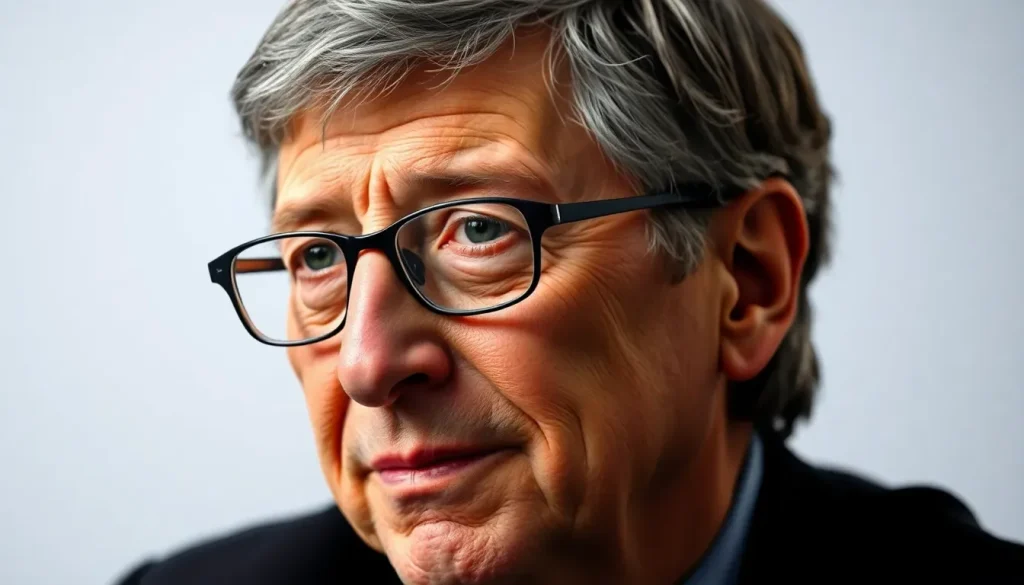
In a surprising shift, Bill Gates has redirected his focus away from climate change after nearly two decades of advocacy. The co-founder of Microsoft is now urging nations and organizations to allocate resources to other pressing global issues. Gates contends that while climate change poses serious challenges, it will not lead to the extinction of humanity. Instead, he emphasizes the urgency of addressing diseases and hunger as more immediate priorities.
In a recent essay on his blog, Gates made a bold statement that many did not anticipate. He suggested that while climate change is indeed a serious concern, it is not as catastrophic as some might fear. Although its impacts will be severely felt in poorer countries, Gates believes that extreme weather events, such as heatwaves and storms, will not obliterate civilization.
According to Gates, humans will continue to thrive in most regions of the Earth. He argues that even if the global community fails to meet the targets set by the Paris Agreement, innovation will enable humanity to adapt over the next 75 years. Gates maintains that with appropriate policies, emissions can be further reduced. However, he insists that the climate community needs to shift its focus from current targets to enhancing human welfare.
“Climate change, diseases, and poverty are critical problems that deserve our attention based on the suffering they cause,” Gates stated. He highlighted that the primary metric should be improving lives, which should take precedence over emissions levels and temperature changes. “Our main goal must be to prevent suffering, especially for those living in the most challenging conditions in developing countries,” he added.
Bill Gates on Climate Change and Global Priorities
From Gates's perspective, climate change does not rank as the foremost threat facing the world today; rather, poverty and disease take precedence. The billionaire has voiced criticism of current policies aimed at emission reductions, which often overshadow efforts to enhance people's well-being.
As an illustration, Gates referenced a low-income country that banned synthetic fertilizers in an attempt to combat global warming. This decision resulted in diminished crop yields, leading to food shortages and soaring prices. “Sometimes, human well-being takes a backseat to emissions reduction, with dire consequences,” he remarked.
This shift in Gates's position coincides with a broader trend among global leaders who are reevaluating their climate goals. Recently, German Chancellor Friedrich Merz promised to advocate for the European Union to reconsider its ban on gasoline and diesel vehicles set for 2035. This legislation, which was approved by all EU member states in March 2023, is now under scrutiny, particularly from Italian Prime Minister Giorgia Meloni, who has labeled it as self-destructive in terms of industrial and environmental policy.
At the recent COP30 in Brazil, Gates urged attendees to reassess the investments and initiatives directed towards climate change. He underscored the connection between economic growth in poorer nations and public health. He asserted that improving health standards could reduce climate-related deaths by half, emphasizing that “the faster individuals become prosperous and healthy, the more lives we can save.”
Understanding the Broader Context of Climate Change
Gates's reassessment of climate change comes at a time when many are beginning to question the effectiveness of stringent climate policies. Understanding the complexities surrounding climate change requires a nuanced approach that balances environmental concerns with social and economic realities.
- Global health crises, such as pandemics, can exacerbate the effects of climate change by straining healthcare systems.
- Poverty can limit access to resources needed to adapt to climate impacts, making it a critical area of focus.
- Innovation and technology can provide solutions that address both climate change and poverty simultaneously.
Moreover, Gates's comments reflect a growing recognition that while climate change is a pressing issue, it must be part of a broader strategy that includes economic development and health improvement. This perspective is vital for creating sustainable solutions that benefit all layers of society.
Innovative Solutions and Future Directions
Gates believes that to effectively tackle these intertwined issues, a focus on innovation is essential. He advocates for a multi-faceted approach that includes:
- Investment in Clean Energy: Advancements in renewable energy sources are crucial to reducing emissions.
- Healthcare Initiatives: Improving health care in developing countries can bolster economic growth.
- Agricultural Technology: Innovations in agriculture can increase food security without harming the environment.
- Education and Awareness: Educating communities about sustainable practices can empower local populations.
These strategies not only address climate change but also offer pathways to improve living conditions in developing nations, creating a win-win scenario for both global health and environmental sustainability.
For those interested in a deeper understanding of Gates's views on climate change and how he suggests we navigate the challenges ahead, this insightful video sheds light on his perspectives:
Concluding Thoughts on Global Priorities
Ultimately, Gates's shift in focus serves as a reminder that while climate change is a significant threat, it is one of many challenges that humanity faces. By prioritizing human welfare alongside environmental concerns, we can forge a path towards a more equitable and sustainable future.
In this interconnected world, addressing issues like poverty and disease must not be sidelined in the pursuit of emission reductions. Instead, a holistic approach that integrates environmental, social, and economic strategies will be key to overcoming the challenges we face.



Leave a Reply