
Asus GeForce RTX 5080 Noctua OC Edition review on silent performance
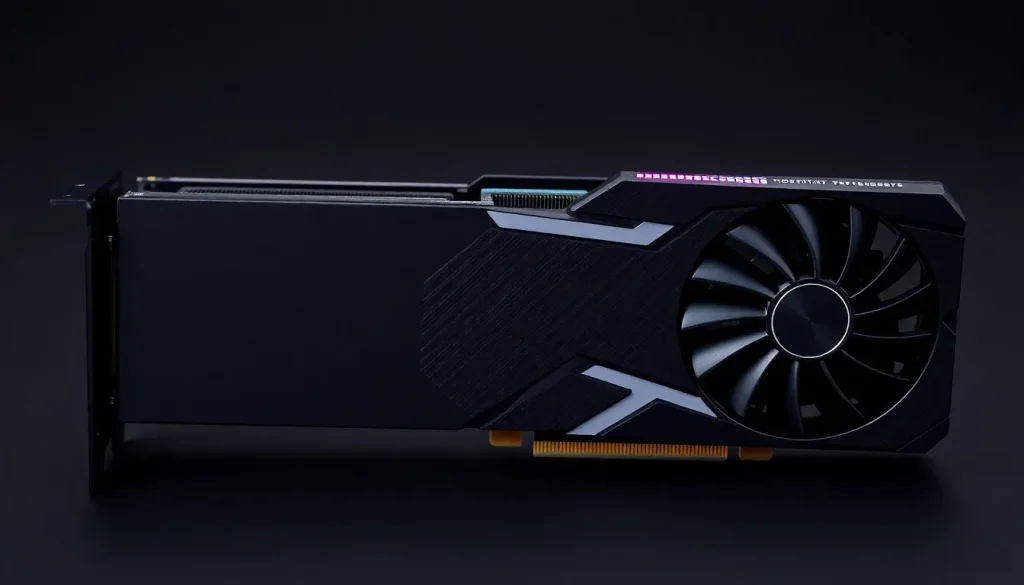
In the world of high-performance gaming and content creation, the choice of graphics card can significantly impact both visuals and audio experience. The Asus GeForce RTX 5080 Noctua OC Edition promises an impressive silence without sacrificing power, making it a unique contender in the current GPU market. This article will delve into its design, performance, and overall value, providing insights into whether it lives up to its lofty price point.
The significance of cooling in graphics cards
When it comes to graphics cards, the quality of cooling solutions and the associated fan noise can dramatically influence user experience. Many enthusiasts prioritize quiet components, as excessive noise can distract from immersive gaming or professional workloads. The RTX 5080 Noctua OC Edition stands out in this regard, offering a near-silent operation that is rarely seen in GPUs. This is particularly noteworthy given its power consumption, reaching up to 360W under load.
What sets this graphics card apart? Here are some key aspects:
- Exceptional Cooling: The collaboration between Asus and Noctua has produced an innovative cooling system that keeps the GPU cool and silent.
- Impressive Build Quality: The card features robust construction, ensuring longevity and reliability.
- High Performance: With the capability to handle demanding tasks, it caters to both gamers and content creators alike.
Design and aesthetics
The Asus GeForce RTX 5080 Noctua OC Edition is the result of a fifth collaboration between Asus and Noctua, building upon their shared experiences and innovations since their first partnership in 2021. The design reflects a commitment to performance and aesthetics, although its brown and beige color scheme might not appeal to all builders.
Key design features include:
- Dimensions: The card measures an impressive 385mm x 151mm x 80mm and weighs 2.7kg, making it a significant presence in any case.
- Fan Configuration: It utilizes three NF-A12x25 G2 fans, renowned for their efficiency and low noise levels.
- Custom Heatsink: Designed to optimize airflow from the fans, enhancing cooling capabilities with a dense fin stack and multiple heat pipes.
The RTX 5080 Noctua OC Edition's design is not just about aesthetics; it prioritizes functionality. The fans operate quietly, only kicking into high gear once the GPU temperature exceeds 55°C. Until then, it remains passively cooled, showcasing the effective engineering behind the card.
Performance metrics
In terms of performance, the RTX 5080 Noctua OC Edition aims to deliver an exceptional experience in gaming and professional applications. Utilizing the Club386 test bench, this review examines its performance metrics across various scenarios, taking into consideration the potential impact of its size on thermal and acoustic results.
Benchmarking results
To evaluate the graphical prowess of the RTX 5080 Noctua OC Edition, the following benchmarks were conducted:
- 3DMark Speed Way: In ray tracing tests at QHD resolution, the card performed admirably, often leading the charts.
- 3DMark Steel Nomad: At 4K resolution, the card showed a notable 4% performance increase over the Founders Edition.
- Gaming Performance: Titles such as Final Fantasy XIV and Forza Motorsport demonstrated comparable performance to the Founders Edition, with no significant increases in frame rates.
These results indicate that while the RTX 5080 Noctua OC Edition does not drastically exceed the performance of its counterparts, it excels in maintaining low noise levels even under heavy workloads.
Power consumption and thermal performance
The power consumption of the RTX 5080 Noctua OC Edition aligns with the expectations for stock RTX 5080 models, requiring a recommended PSU of 850W. The efficient thermal management of the card is a standout feature:
- Cooling Efficiency: The advanced heatsink and fan design maintain low temperatures, with impressive results even when under load.
- Noiseless Operation: Achieving a noise level of ≤30dBA, this card operates quietly, ensuring an undisturbed gaming experience.
Overclocking potential
One of the most enticing aspects of the RTX 5080 Noctua OC Edition is its overclocking capability. Utilizing Asus' GPU Tweak III software, users can push the GPU power target to 125%, leading to significant performance gains. Key findings include:
- Increased Clock Speeds: The card can achieve boost clocks of up to 2,970MHz, with actual frequencies reaching 3,135MHz under load.
- Synthetic Benchmark Improvements: Overclocking resulted in a 10% increase in 3DMark scores and a 7% boost in average frame rates during gameplay.
Despite these enhancements, the card maintained a low noise output, a testament to its cooling design.
Value proposition and market comparison
The Asus GeForce RTX 5080 Noctua OC Edition is priced at £1,499 / $1,599, significantly higher than the MSRP of £949.99 / $999.99 for standard RTX 5080 models. This premium raises questions about value:
- Unique Features: The specialized cooling and low noise levels are appealing for enthusiasts seeking a silent experience.
- Market Alternatives: Competing products, including liquid-cooled options, are available at lower price points.
- Performance vs. Price: While the performance is commendable, investing in an RTX 5090 may provide better value for those willing to spend more.
Ultimately, the decision to invest in the Noctua OC Edition hinges on individual preferences for quiet operation and build quality.
Conclusion
The Asus GeForce RTX 5080 Noctua OC Edition exemplifies meticulous engineering, focusing on delivering an exceptional cooling solution while minimizing noise. It caters to a niche market of enthusiasts who prioritize silence alongside performance. However, the steep price tag may deter potential buyers, particularly those who might find better value in other options. Regardless, this collaboration stands as a testament to the possibilities of optimizing thermal management in the ever-evolving landscape of graphics cards.
For a more detailed visual overview, check out this video:


Leave a Reply