
iPhone 20 will remove all physical buttons, says source from China
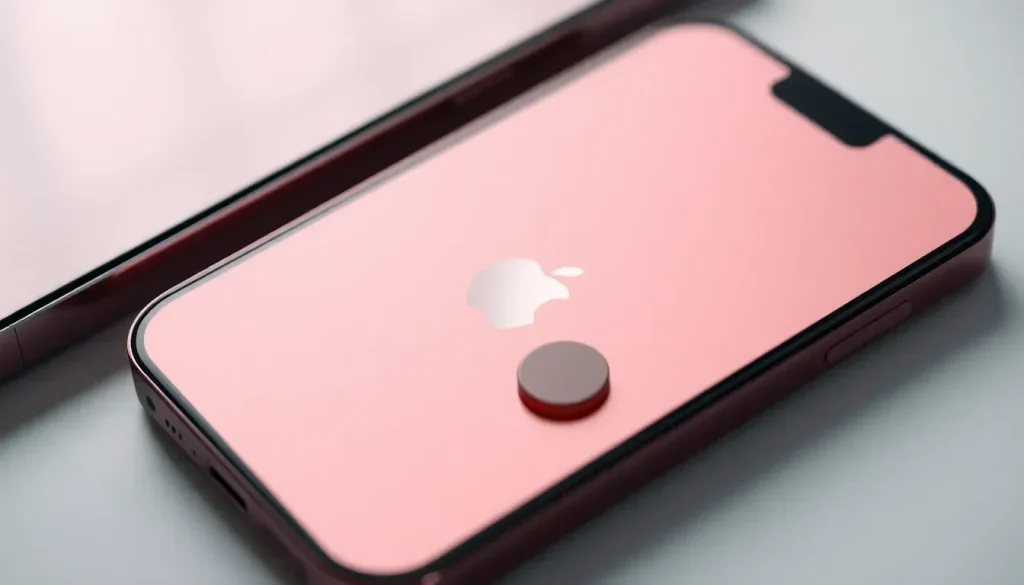
The future of smartphones is evolving rapidly, and with it comes the anticipation surrounding Apple’s upcoming iPhone 20. Scheduled for release in 2027, this device promises to break new ground by eliminating all physical buttons in favor of innovative solid-state buttons that rely on haptic feedback. This significant shift not only transforms the design aesthetics but also enhances user interaction with the device.
Recently, a Chinese leaker, known for their accuracy in predicting Apple’s innovations, shared insights about this radical design change. While Apple has yet to confirm these features, the idea aligns well with the rumored introduction of a wrap-around display, making the iPhone 20 a landmark device in the tech landscape.
The decision to eliminate physical buttons is not merely a design choice; it signifies a broader trend in the smartphone industry towards more seamless and intuitive user interfaces. Physical buttons have long been a staple in mobile devices, but their removal could pave the way for:
- Enhanced durability: Without buttons, devices may become less susceptible to wear and tear.
- More screen real estate: A button-free design maximizes usable screen space, allowing for more immersive displays.
- Reduced complexity: Fewer components can lead to fewer points of failure, simplifying manufacturing and repairs.
Solid-state buttons utilize haptic technology to provide feedback to users, creating the sensation of pressing a button without the need for a physical mechanism. This technology relies on vibrations and localized feedback to simulate the feeling of a button press. Key features include:
- Localized vibrations: Users will feel a distinct response when interacting with the buttons, enhancing the sense of control.
- Customizable feedback: Users may be able to adjust the intensity and type of feedback to suit their preferences.
- Integration with other features: Solid-state buttons can be programmed for multiple functions, increasing versatility.
historical context of haptic technology in smartphones
Haptic feedback is not a new concept in mobile technology. Apple has been incorporating it into its devices for several years. For instance:
- The iPhone 7 featured a fully haptic home button, eliminating the need for a physical switch.
- Many Android manufacturers have experimented with haptic technology, such as HTC with its U12 Plus, which utilized touch-sensitive areas instead of traditional buttons.
- Apple’s MacBook trackpads have used haptic feedback for nearly a decade, showcasing their commitment to this technology.
the potential impact on smartphone design
The iPhone 20’s shift to solid-state buttons could have a ripple effect throughout the smartphone industry. Other manufacturers may follow suit, leading to:
- New design paradigms: As more brands adopt button-free designs, consumers may expect a more unified aesthetic across devices.
- Innovation in user interfaces: Without buttons, developers will need to create new ways for users to interact with their devices.
- Increased competition: As the market evolves, companies will strive to differentiate themselves through unique features and designs.
the wrap-around display: a new frontier
In conjunction with the transition to solid-state buttons, rumors suggest the iPhone 20 may feature a wrap-around display made entirely of glass without any notches or interruptions. This innovation could offer several advantages:
- Immersive experience: A continuous display could enhance gaming and multimedia experiences by providing a more expansive view.
- Improved aesthetics: A seamless design can appeal to consumers looking for stylish, modern devices.
- Functional benefits: Users might enjoy additional screen space for notifications and controls without sacrificing usability.
future of smartphone technology beyond the iPhone 20
The potential features of the iPhone 20 mark just the beginning of a technological evolution in smartphones. As manufacturers explore new materials and technologies, we may see:
- Increased use of artificial intelligence: Optimizing user interactions and personalizing experiences.
- Advances in battery technology: Providing longer usage times and faster charging solutions.
- Enhanced connectivity: Integrating 5G and future technologies to support faster data transfer and connectivity.
As we approach the release of the iPhone 20, the excitement surrounding its design and features continues to grow. For those eager to see what’s next in mobile technology, the transition to solid-state buttons and a wrap-around display is just the tip of the iceberg. For more insights into this topic, check out the video below:
The iPhone 20 is set to celebrate the twentieth anniversary of Apple's mobile revolution, making it a pivotal moment for the company and its users. As technology continues to evolve, the implications of these changes will extend beyond just one device, potentially reshaping the entire smartphone landscape for years to come.



Leave a Reply