
International, PlusAI and Nvidia team up for Level 4 autonomous trucks
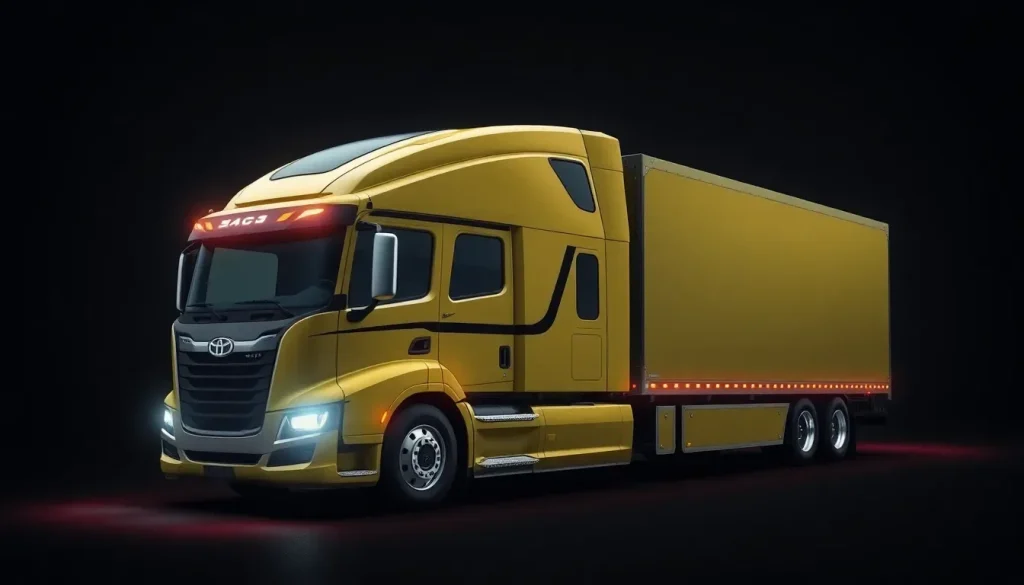
As technology continues to evolve, the transportation industry stands on the brink of a significant transformation. The collaboration between major players is indeed one of the key drivers pushing the development of autonomous trucking. In this context, the partnership between International, PlusAI, and NVIDIA marks a pivotal moment for the future of freight transport.
This alliance not only combines expertise from various sectors but also aims to streamline the production of Level 4 autonomous trucks, setting the stage for safer and more efficient long-haul logistics.
Understanding Level 4 Autonomous Vehicles
Level 4 autonomous vehicles are designed to operate without human intervention in specific conditions or environments. This level of autonomy allows for greater flexibility and reliability in transportation, particularly in controlled settings such as highways or designated routes.
The key characteristics of Level 4 autonomous vehicles include:
- Full automation: These vehicles can handle all driving tasks under specific conditions.
- Geofencing: Operations are typically restricted to predefined geographic areas.
- Emergency capabilities: Vehicles can manage emergencies independently without needing human input.
Collaborative Forces: International, PlusAI, and NVIDIA
The partnership between International, PlusAI, and NVIDIA is a strategic move to leverage their respective strengths in manufacturing, autonomous technology, and AI computing. Together, they are working towards the commercialization of factory-built Level 4 autonomous trucks.
International brings nearly two centuries of manufacturing expertise, while PlusAI contributes its advanced SuperDrive autonomous driving technology. NVIDIA enhances this collaboration with its high-performance AI computing capabilities, particularly through the DRIVE AGX Hyperion platform.
The Vision Behind the Partnership
David Liu, CEO of PlusAI, articulated the vision of this collaboration, highlighting the need for scalable and factory-built autonomous solutions. He stated, “We have to build for a future with thousands of self-driving trucks on the road… safety, reliability, and excellence in large-scale manufacturing are paramount.”
This vision is not merely aspirational; it reflects a growing demand for efficient logistics solutions in an increasingly complex supply chain landscape. The collaboration seeks to address some critical issues:
- Increased safety: By employing advanced autonomous systems that reduce human error.
- Cost efficiency: Streamlining operations to cut costs associated with human drivers.
- Scalability: Developing systems that can be mass-produced and easily integrated into existing logistics networks.
Technological Innovation and Infrastructure
One of the standout features of these autonomous trucks will be their built-in technological advancements. The vehicles will be equipped with:
- Lidar: For precise distance measurement and environmental mapping.
- Radar: To detect speed and distance of nearby objects.
- Cameras: Providing 360-degree visibility for enhanced situational awareness.
This comprehensive sensor suite will work in conjunction with the SuperDrive system and NVIDIA’s system-on-a-chip, enabling high-speed AI inference for real-time decision-making.
Manufacturing and Maintenance Network
International's extensive North American dealer network plays a crucial role in the operational success of these autonomous trucks. This network will facilitate:
- Service and maintenance: Ensuring that the trucks remain operational and efficient.
- Customer support: Providing immediate assistance and operational insights to fleet operators.
- Training for technicians: Ensuring that the workforce is equipped to handle advanced autonomous technology.
The Future of Autonomous Freight Operations
As the transportation industry moves towards automation, collaborations like this one are vital. The combined expertise of these companies positions them to lead in a market that is rapidly evolving. Tobias Glitterstam, senior vice-president at International, noted that this partnership is “an important step on our path to production,” emphasizing the combination of automotive-grade computing, AI-native driving software, and customer insights.
With initiatives like these, the freight industry is anticipated to witness a transformation that will enhance operational efficiency and safety within the next few years. As the technology matures, we can expect to see an increase in the deployment of these autonomous vehicles on our roads.
For those interested in a visual representation of these advancements, here’s a relevant video that showcases the capabilities of autonomous trucks:
As the industry embraces this technological shift, it becomes ever more critical for stakeholders to stay informed and adaptable in the face of change. Whether through improved safety measures, enhanced operational efficiencies, or innovative partnerships, the future of autonomous trucking looks promising.

Leave a Reply