
Technical Requirements for 44 Ton Trucks
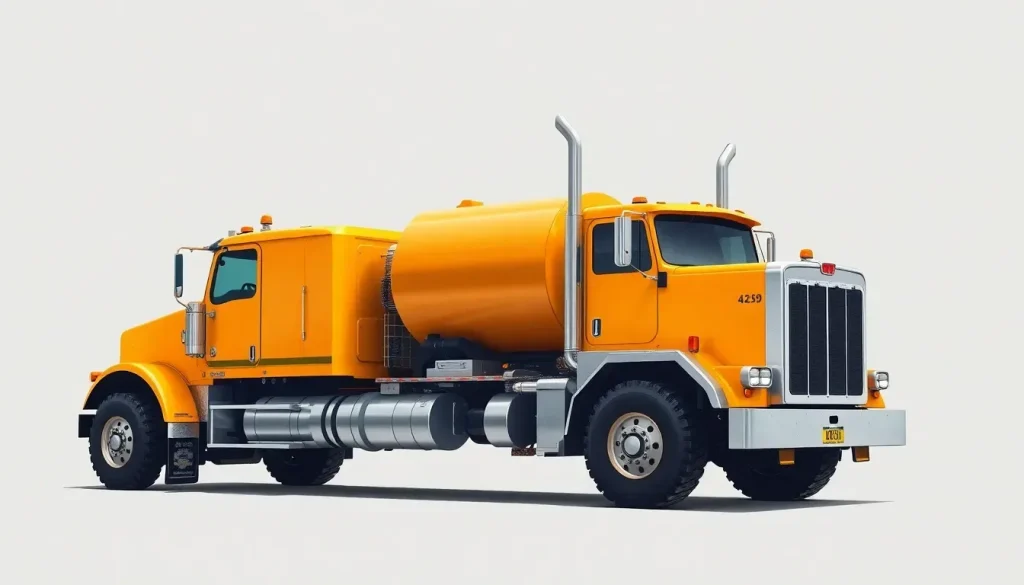
The transportation industry is constantly evolving, and regulations often change to accommodate advances in technology and safety protocols. One significant shift is the new regulation allowing vehicles to carry up to 44 tons. This change, which took effect on October 23, 2025, poses a wealth of opportunities and challenges for operators. Understanding the technical requirements and administrative processes involved is crucial for complying with the law.
Understanding the 44-ton Regulation
The implementation of the 44-ton regulation is not a blanket increase for all vehicles. It requires a thorough understanding of the technical specifications and administrative requirements that must be met. This regulation aims to enhance the efficiency of transport operations while ensuring safety on the roads.
Before operating under this new weight limit, it is essential to verify that your vehicle is compliant with the necessary criteria. This involves checking the technical specifications of your tractor and trailer.
Verifying Your Vehicle's Technical Specifications
The first step in ensuring compliance is to check the technical data of your vehicle, specifically the tractor and semi-trailer. You need to review the following:
- Weight Capacity: Ensure the vehicle can handle the increased load. Check the specifications in the technical file.
- Manufacturer's Certification: If your vehicle does not meet the specified requirements, a certification from the manufacturer is necessary.
- Modification of the Technical File: If modifications are made to increase capacity, these must be documented correctly.
Should your vehicle's specifications meet or exceed the required standards, you can proceed to operate it at the 44-ton limit. If not, further steps are required to certify your vehicle's eligibility.
Steps to Certify Your Vehicle for 44 Tons
If your vehicle does not currently comply with the necessary specifications for 44 tons, follow these steps to rectify the situation:
- Request a Certificate from the Manufacturer: Contact the vehicle manufacturer to issue a certificate confirming that your vehicle can support 44 tons despite the current technical file specifications.
- Pass the ITV with the Certificate: With the manufacturer's certificate in hand, visit an Inspection Technical Vehicle (ITV) station to update your technical file to reflect the new Maximum Authorized Mass (MMA) of 44 tons.
- Update Your Registration Document: After updating the technical file, request a new circulation permit from the General Directorate of Traffic (DGT) that will include your vehicle's new specifications.
Key Points and Potential Penalties
- Immediate Circulation with Certification: You can legally operate with 44 tons if you have obtained the manufacturer's certificate, even if you have not yet passed the ITV. This certificate is valid until the first ITV inspection of your vehicle.
- Strict Limits on Technical Specifications: Understanding the difference between MMA (legal limit) and MMTA (technical limit) is crucial. While a 2.5% tolerance is permitted over the MMA, it does not apply if you exceed the MMTA as indicated in your technical file. Exceeding the MMTA will result in penalties.
- National Transport Only: This regulation applies only to domestic transport operations within Spain. For international transport, the previous limit of 40 tons remains in force.
Additional Regulatory Considerations
The expansion to 44 tons is accompanied by other important changes in the General Vehicle Regulations:
- Euromodular Vehicles: The need for a special authorization for these combinations has been eliminated. They can now operate on authorized routes with a maximum length of 32 meters and an MMA of up to 72 tons.
- Maximum Height Allowance: For specific transports, such as live animals or forage, the maximum allowed height has been increased to 4.5 meters.
- Zero Emissions Vehicles: These vehicles may be eligible for an MMA of up to 46 tons (or 47 tons in urban areas) to account for the additional weight of their batteries or propulsion systems.
The implementation of the 44-ton limit signifies a substantial advancement for the transportation sector in Spain, promising enhanced efficiency and reduced costs per ton transported. However, it is the responsibility of each transporter to ensure that their vehicle meets all the technical and legal requirements before operating under this new limit.
For more current updates and discussions, feel free to follow us on social media: Facebook, Instagram, and YouTube.
If you want to receive newsletters from Encamionaut@s, click here!
For a deeper understanding of the implications surrounding the 44-ton regulation, you might want to check out this informative video:



Leave a Reply