
I tested Vega OS, the new system for Amazon Fire TV: is it that bad?
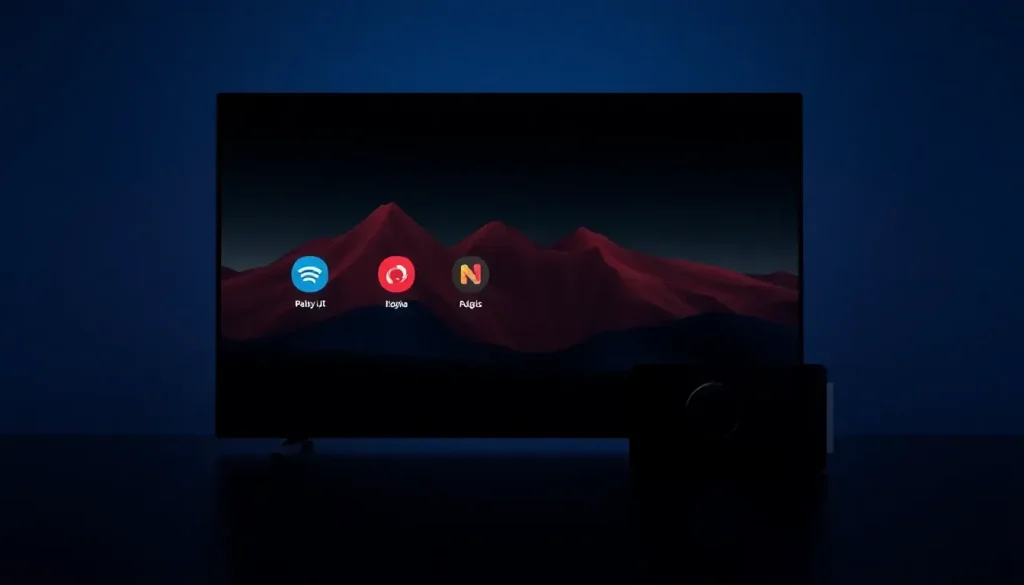
Amazon has made significant strides recently, launching a new operating system called Vega OS that fundamentally alters the experience on its Fire TV devices. This change is not limited to the latest models; it extends to older versions released in recent years, stirring a wave of curiosity and skepticism among users. With so much chatter about the potential downsides of Vega OS, many are left wondering: Is it really as problematic as some claim? Is it still worth investing in these devices for your television?
In my journey with Vega OS over the past week, I've aimed to unravel the reasons behind the widespread criticism and evaluate whether it deserves a chance. I tested it on the new Amazon Fire TV Stick 4K Select, a model designed explicitly for optimizing the Vega OS experience. With the rollout of this update to older Fire TVs, it's essential to consider the implications—should you embrace the upgrade, or block it to stick with Fire OS?
Vega OS design: Familiar yet refreshed
Worried about navigating your Amazon Fire TV after the Vega OS update? You can rest easy. The new operating system retains a familiar look and feel, with minimal shifts in aesthetics, menus, and settings. Although the underlying structure has changed, the overall user experience remains consistent with what you’re used to.
The home screen still features content arranged in cards, shortcuts to recent applications, and a visual style reminiscent of previous Fire OS iterations. In fact, the interface has adopted simpler colors and more subtle transparency effects, possibly aiming to enhance performance.
Settings menus are virtually unchanged, with configurations located where you would expect them. Most actions follow the same procedures as before. Despite a significant technical overhaul—transitioning to a Linux-based system—Amazon has clearly sought to maintain the usability and simplicity that users appreciate. Vega OS does not represent a dramatic shift in terms of navigation or interface design.
Performance improvements with Vega OS
As a long-time user of Amazon Fire TVs, I can easily identify when a device operates more smoothly. The 4K Select running Vega OS is significantly faster when navigating the interface or launching applications. Despite having less powerful hardware—like 1 GB less RAM compared to the 4K model—this device feels more responsive.
Amazon has clearly optimized Vega OS for better performance, particularly on more modest hardware. This is a welcome change, as standard Fire TVs have often felt sluggish out of the box or with age.
With Vega OS, the irritating lag that many users experienced is likely to become less of an issue, promising a more satisfying user experience overall.
The significant drawback of Vega OS: App limitations
If Vega OS offers a smoother experience and a familiar interface, why are so many users hesitant to embrace the update? The answer lies in a substantial shift: Vega OS restricts access to third-party applications.
Amazon's transition from Fire OS, based on Android, to Vega OS, based on Linux, is not merely a technical change. This new system effectively closes the door on installing third-party APKs from mobile devices or external sources.
While Vega OS features an app store, it is now the exclusive source for installing applications on your device. Previously, users could easily install an APK from their mobile to access a wide array of Android applications on their TVs. With Vega OS, that option is gone.
Being built on Linux means that APKs are no longer supported, limiting users to only those applications that Amazon approves. Moreover, access to the internal workings of the device has been restricted—gone is the file explorer app that allowed users to view internal storage.
Vega OS: No more piracy, but what else?
The inability to install Android applications raises a critical concern: users can no longer utilize their Fire TVs for illegal IPTV services or pirated content. This shift isn't just about finding new methods to access such content; with Vega OS, such options simply do not exist, as Amazon exclusively dictates which applications can be installed.
In contrast to Fire OS, which provided users with a much more flexible and open experience, Vega OS significantly narrows functionality to: using applications available in the Amazon App Store.
Is this a significant issue? For users who rely on Fire TV for accessing streaming services like Netflix, YouTube, Prime Video, and Spotify, the transition to Vega OS changes little. These services remain readily available, allowing users to continue using their Fire TVs as smart devices to enhance older televisions.
However, for those who utilized their Fire TVs for illicit content, the landscape has shifted dramatically. The only way to access such content now would be through Amazon's approval of relevant applications in their store—an unlikely scenario.
Does the Amazon App Store offer everything you need? Amazon has made commendable efforts to ensure that many essential services are accessible from day one. Some applications that were staples on Fire TVs may still be absent, but it's only a matter of time before developers catch up.
Nevertheless, I sense that Vega OS may not be as appealing to developers, leading to a less comprehensive ecosystem compared to its predecessor. This may not pose a problem for average users, but advanced users seeking more freedom and variety might find it lacking.
Should you install Vega OS on your Amazon Fire TV?
If you primarily plan to use your device for standard streaming services, there are few reasons to hesitate in updating to Vega OS. The interface will remain familiar, performance will likely enhance, and the constraints on third-party apps probably won’t affect you.
Conversely, if you’ve relied on IPTV services or utilized your Fire TV for other purposes, the limitations imposed by Vega OS could be significant. In that case, it might be wise to stick with Fire OS for a while longer.
Overall, Amazon has effectively redefined the capabilities of Fire TVs, pushing them towards their original intention: transforming older televisions into smart devices. The reality is that the majority of users primarily use these devices for basic functionality, making the migration to Vega OS a sensible option for many.
Leave a Reply