
The Witcher season 4 review: a story lacking spirit and future
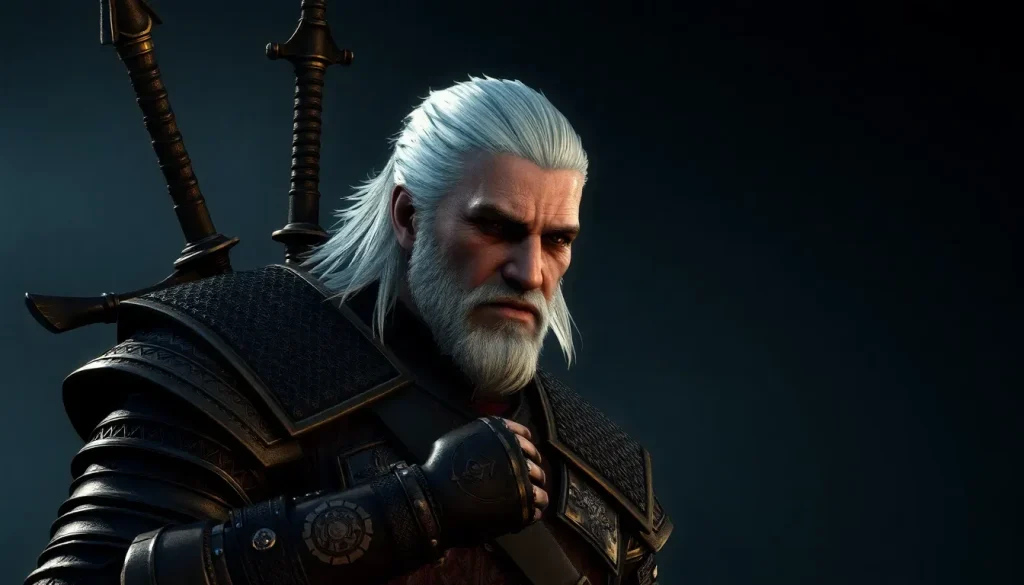
The Witcher may not be Netflix’s most successful production, yet it has fostered a modestly expanding universe that includes a spin-off, a prequel, and an animated feature. Despite this, the series has struggled to establish a compelling narrative that resonates with a dedicated fanbase. This trend is particularly evident in its fourth season, which not only falters in coherence but also introduces a significant change by replacing its lead actor. This transition undermines the show's integrity and diminishes its potential for engaging storytelling, rendering the new season a lackluster addition to the overall saga.
The central issue in this season lies in its inability to successfully integrate Liam Hemsworth as the new Geralt of Rivia. Despite his charisma, comparisons to his predecessor, Henry Cavill, are unavoidable, particularly as the series fails to adjust its tone and pacing to accommodate Hemsworth's interpretation. Instead of innovating, it feels like a hasty continuation that lacks depth and nuance.
Challenges of the Fourth Season of The Witcher
From the very first episode, the series struggles to establish a strong foundation, a problem that compounds as the season progresses. Henry Cavill brought a formidable presence to Geralt, characterized not only by his physicality but also by his passion for the source material. This intensity helped to mask some narrative shortcomings during his tenure as the lead.
In contrast, Hemsworth's portrayal lacks the same fervor. Throughout much of the initial episodes, he grapples with understanding his character, which leads to a portrayal that feels more vulnerable yet less compelling. This shift in Geralt's characterization does not gel well with the overarching narrative, which focuses heavily on his strength and influence within an increasingly chaotic environment.
A shallow adaptation of the Witcher saga
The fourth season is loosely based on the novel Bautismo de fuego, the third installment in Andrzej Sapkowski's saga published in 1995. It begins similarly to the source material, depicting the aftermath of the Aretuza uprising and its reverberations throughout the continent. Despite the potential for rich storytelling, the series fails to delve deeply into these events, relying instead on lengthy exposition that detracts from the pacing.
The narrative leaps into action with Geralt urgently searching for Ciri, disoriented by the presumed death of Yennefer (Anya Chalotra). However, the show spends considerable time reiterating prior events, creating a clumsy narrative that feels disconnected and unfocused. This repetitive exposition can make it challenging for viewers to invest in the unfolding drama.
- Inconsistent pacing hampers narrative flow.
- Excessive reliance on exposition detracts from character development.
- Major plot points are introduced but remain unresolved.
As the season unfolds, it becomes clear that the storyline is disjointed, often meandering between battles and character development without a coherent direction. By the time viewers reach the third episode, they are met with a familiar formula of dazzling battles devoid of meaningful progression. This season's mission is diluted as it juggles multiple subplots, failing to provide satisfying resolutions for its characters.
Nothing fits in the fourth season of The Witcher
As the season progresses, The Witcher attempts to maintain momentum by shifting focus to supporting characters, notably Ciri and Yennefer. This strategy showcases the potential for a more engaging narrative, particularly as these characters reveal depth and growth. Yennefer's and Ciri’s arcs shine with promise, exhibiting the potential that the series could have harnessed had it been more thoughtfully executed.
A highlight of the season is the introduction of Regis, portrayed with charm and intrigue by Laurence Fishburne. Regis’s character breathes life into the narrative, providing essential support to Geralt. Their evolving relationship, marked by complexity and humor, serves as a refreshing contrast to the otherwise chaotic storyline.
However, the overarching problem remains: the season aims more to set the stage for future developments rather than deepen the current narrative. Many conflicts introduced are left hanging, with the promise of future resolutions looming but never materializing in a satisfying way.
A risky move for The Witcher
Despite the challenges, the creators seem intent on crafting a narrative that connects disparate events rather than advancing the plot meaningfully. The battles lack the excitement and visual flair of previous seasons, and the exploration of Ciri's burgeoning abilities feels rushed and underdeveloped.
- Inconsistent character development hampers engagement.
- Expectation of future resolutions detracts from current stakes.
- The lack of innovative storytelling leads to a disjointed experience.
As the season wraps with a slight uptick in tension, viewers are left anticipating the fifth season, which promises to conclude ongoing narratives. Yet, the pervasive sense of waste looms over the season, as it seems to squander opportunities for depth and intrigue, culminating in a narrative that has struggled to capture the audience's interest from the outset.
For a more in-depth analysis, you can watch a discussion about the season's critical reception here:



Leave a Reply