
September 2025 Class 8 Truck Orders Total 20,666 Units
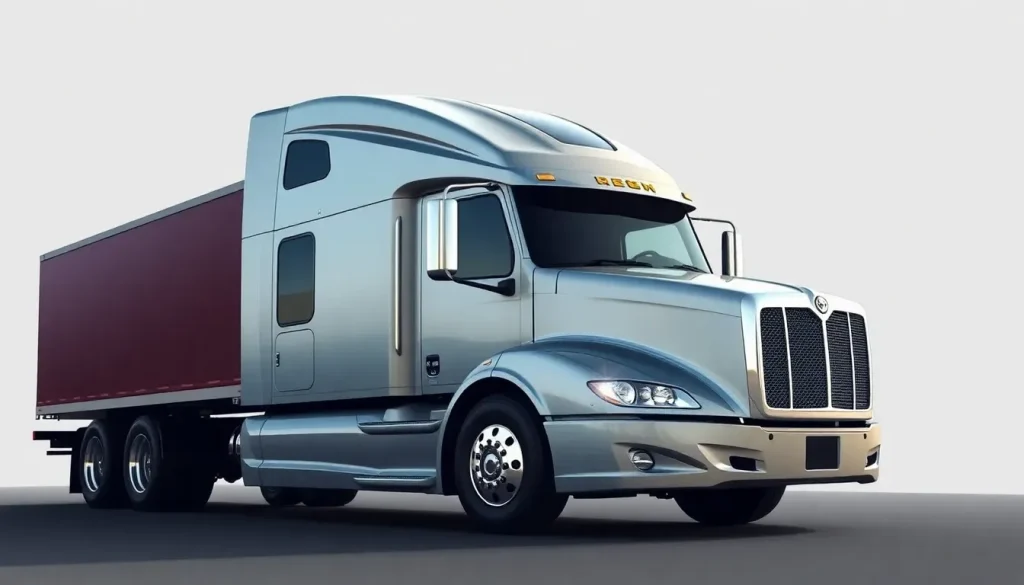
As the trucking industry grapples with fluctuating market conditions, the latest data reveals significant shifts in Class 8 truck orders. In September 2025, the total orders for Class 8 trucks amounted to 20,666 units, marking a notable decline. Understanding the factors behind this downturn is crucial for stakeholders in the transportation and logistics sectors.
The decline in orders not only highlights current economic challenges but also raises questions about future trends in freight rates and the overall demand for medium- and heavy-duty trucks. This article will delve into the current state of the Class 8 truck market, explore the impact on vocational orders, examine the broader medium-duty segment, and consider projections for freight rates in the coming years.
Overview of Class 8 Truck Orders in September 2025
According to ACT Research's State of the Industry report, Class 8 orders have decreased by 44% year-over-year (Y/Y). This decline signifies the weakest September for orders since 2019. Factors contributing to this downturn include:
- Regulatory uncertainty surrounding tariffs and federal funding.
- Pressure on carrier profits amidst a prolonged freight downturn.
- Concerns over new tariffs impacting the cost of imported trucks.
Carter Vieth, a research analyst at ACT Research, noted that these elements are causing significant uncertainty within the industry. The upcoming Section 232 on imported trucks, set to take effect on November 1, poses risks of escalating costs at a time of diminished demand.
Impact on Class 8 Tractor and Vocational Orders
The impact of the current market conditions is particularly pronounced in Class 8 tractor and vocational orders. In September, Class 8 tractor orders totaled 12,654 units, reflecting a 26% decrease from the previous year. Vocational Class 8 orders fared even worse, dropping to 8,012 units, which represents a staggering 60% decline compared to September 2024.
This decline can be attributed to several factors, including:
- Fluctuating demand for vocational trucks due to changing construction and public works projects.
- Regulatory shifts affecting production schedules and capacities.
- Economic pressures impacting fleet operators' purchasing decisions.
Vieth emphasized that although capacity is exiting the market at a faster rate, the ongoing softening of demand continues to offset any tightening of supply. The vocational market, in particular, experienced record orders last year due to expanded production capacity, making this year's decrease even more striking.
Medium-Duty Orders Decline
Beyond Class 8, medium-duty truck orders have also faced a downturn. ACT Research reported that orders for Classes 5-7 fell by 19% Y/Y, amounting to 16,133 units in September. Factors influencing this decline include:
- Elevated inventories that have outpaced demand.
- Weaker economic conditions leading to a slowdown in purchasing activity.
- Growing consumer pessimism affecting business confidence.
As businesses adjust to these economic realities, the medium-duty segment is likely to remain under pressure, with companies weighing their options carefully before committing to new orders.
Potential Increase in Freight Rates by 2025
Looking ahead, industry stakeholders are questioning whether freight rates will experience an uptick in 2025. Various dynamics could influence this outcome, including:
- Supply chain disruptions that may impact transportation costs.
- An anticipated rebound in consumer demand, which could strain capacity.
- Changes in fuel prices and operational costs for carriers.
While some analysts suggest that freight rates may rise as demand begins to recover, others caution that persistent economic challenges could hinder a substantial increase. The interplay of these factors will be crucial for fleet operators as they strategize their operations moving forward.
Current Trends in Class 8 Trucking
To better understand the current landscape of Class 8 trucking, it is essential to consider broader trends affecting the industry. Key trends include:
- Technological Advancements: The increasing adoption of telematics and automation technologies is reshaping fleet operations and enhancing efficiency.
- Sustainability Initiatives: There is a growing emphasis on reducing emissions and adopting greener technologies, such as electric trucks, within the Class 8 segment.
- Labor Challenges: A shortage of qualified drivers persists, complicating fleet management and operational strategies.
Understanding these trends is vital for stakeholders looking to navigate the complexities of the trucking industry effectively.
For those interested in a deeper look at the challenges and innovations in trucking, consider checking out this insightful video that discusses current trends and future projections:
The Future of Class 8 Trucking
As the industry adapts to these shifting trends, the future of Class 8 trucking will depend on several critical factors:
- Policy Changes: Regulatory developments will play a significant role in shaping market dynamics and operational costs.
- Economic Recovery: An upturn in the economy could lead to increased demand for freight services, impacting order volumes positively.
- Innovation and Adaptation: Companies that embrace new technologies and operational strategies will likely fare better in a competitive landscape.
In conclusion, while the current data on Class 8 truck orders reflects significant challenges, the industry's adaptability and resilience will be crucial in navigating the road ahead.



Leave a Reply