
AMD clarifies Radeon RX 6000 and 5000 drivers will optimize games
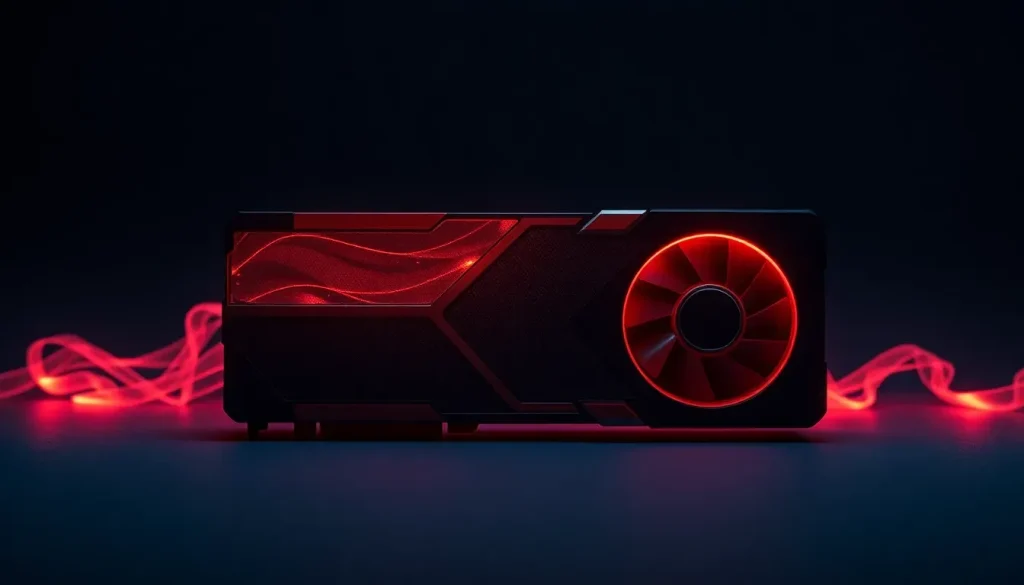
The recent updates from AMD regarding their Radeon RX 6000 and 5000 series graphics cards have sparked significant discussions among users and enthusiasts alike. With technology moving at a rapid pace, clarity in communication is crucial for maintaining user trust and satisfaction. AMD's latest clarifications present a mixed bag of information that has both alleviated and raised concerns among its user base.
In light of AMD's recent driver release, the community's response highlights the importance of understanding the future trajectory of these popular GPU families. Let's delve into the details surrounding AMD's driver strategy and what it means for current users and potential buyers.
Overview of AMD's Driver Strategy
On November 2, a mere four days after the launch of Adrenalin Edition 25.10.2, AMD took to its blog to clarify the ongoing support for the Radeon RX 6000 and 5000 series. The company assured users that these GPUs will continue to receive game optimisations, security updates, and bug fixes. This announcement came in response to confusion sparked by earlier release notes that implied a shift in focus towards newer GPU generations.
Understanding AMD’s driver strategy is essential for users who rely on these graphics cards for gaming and professional tasks. This new structure introduces two distinct driver branches, which serve different purposes:
- Maintenance Mode Branch: Focused on existing architectures like RX 6000 and 5000, ensuring stability and essential updates.
- Feature-Rich Branch: Designed for newer architectures (RDNA 3 & 4), allowing rapid development and deployment of advanced features.
This bifurcation allows AMD to cater to the needs of both current users and those looking to upgrade to the latest models, ensuring that both groups receive the necessary support and innovations.
Understanding the Game Optimisations
One of the most pressing concerns following the driver release was the apparent exclusion of game optimisations for older GPU models. AMD has since clarified that both the RX 6000 and 5000 series will continue to receive optimisations for new games, which is a relief for many users who depend on these cards for their gaming experiences.
However, it's important to note that while these older GPUs will continue to benefit from game optimisations, AMD has stated that certain features and enhancements may be exclusive to the newer RX 7000 and 9000 series. This creates a scenario where users may need to weigh the benefits of sticking with their current hardware versus upgrading for the latest performance enhancements.
Key Features and Implications for Users
AMD’s commitment to maintaining support for older GPU families comes with several implications and features:
- Security Patches: Ongoing updates will ensure that users are protected against vulnerabilities, maintaining system integrity.
- Bug Fixes: AMD will address known issues, enhancing the overall performance and stability of existing GPUs.
- Future Compatibility: The support for FSR 4 and other advanced features may extend beyond the latest GPU models, ensuring that even older hardware can enjoy some benefits of new technologies.
This approach not only reassures current users but also opens the door for AMD to enhance the longevity of their products in a competitive market.
Community Response and Market Implications
The AMD community's reaction to these announcements has been mixed. While many are relieved to learn that their RX 6000 and 5000 cards will continue to receive support, there is still a palpable concern regarding the future of these models in a rapidly evolving gaming landscape.
Many users have taken to forums and social media to express their thoughts. Some key points from the community include:
- Trust in Brand: Users are closely watching AMD’s commitments to ensure they follow through on their promises.
- Upgrade Considerations: Some gamers are contemplating whether now is the right time to upgrade or wait for potential sales on newer models.
- Expectation Management: Clear communication from AMD regarding future support is critical for user satisfaction.
Looking Ahead: Should You Upgrade?
If you're currently using a Radeon RX 6000 or 5000 graphics card, you may be wondering whether it's time to consider an upgrade. Here are some factors to consider:
- Performance Needs: Assess whether your current GPU meets your gaming or productivity requirements.
- Future Games: Consider the types of games you plan to play and their system requirements.
- Budget: Evaluate your budget for upgrades and compare the performance-to-cost ratio of new GPUs.
It’s essential to weigh these factors carefully, especially with new models like the Radeon RX 9070 and the GeForce RTX 5070 on the horizon.
Engaging with the Community
For those keen on staying updated with the latest news from AMD and the broader graphics card ecosystem, engaging with community discussions can be invaluable. Forums and platforms like Reddit present opportunities to share experiences, gather insights, and seek advice from fellow users.
As the landscape evolves, having access to shared knowledge can help you make informed decisions about your hardware choices. For further insights and community feedback, consider checking out this video that discusses AMD's recent driver changes:
As the world of graphics cards continues to evolve, AMD's communication strategy will be tested. Users will be watching closely to see how well the company delivers on its promises and how it navigates the complexities of supporting both older and newer architectures.


Leave a Reply