
PC RAM prices surge and are unlikely to decrease soon
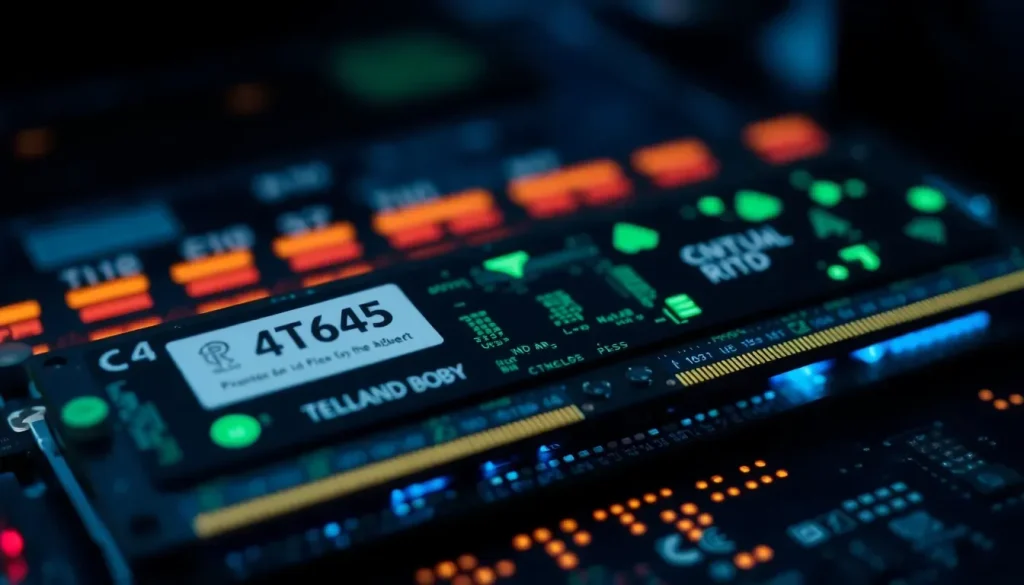
If you've recently tried to upgrade your PC's RAM, you may have been taken aback by the escalating prices. Just a few months ago, increasing your memory from 16GB to 32GB could cost you around £45, but now that same upgrade is priced at a staggering £113.99. This spike in memory costs is causing concern among both casual users and tech enthusiasts alike. What factors are driving these exorbitant prices, and when can we expect some relief?
Historically, RAM prices have fluctuated dramatically due to various market forces. Over the past three decades, we've witnessed numerous instances where events such as factory fires and unexpected surges in demand have sent prices soaring and plummeting. Recently, memory prices had been relatively stable, overshadowed by the skyrocketing costs of graphics processing units (GPUs). However, the current landscape has shifted dramatically, and memory costs are now on the rise.
Why are RAM prices increasing?
The surge in RAM prices is largely attributed to the booming demand driven by AI data centers. As these centers proliferate at an unprecedented rate, the need for DRAM (Dynamic Random Access Memory) is escalating rapidly. However, there are only three key players in the DRAM manufacturing industry: SK Hynix, Micron, and Samsung. While the tech industry anticipated a rise in AI applications, the current demand is far beyond what anyone could have predicted.
- Limited manufacturers: With only a handful of companies producing DRAM, any increase in demand leads to significant supply shortages.
- Transition to DDR5: As manufacturers shift their focus towards DDR5 production, the output of older DDR4 memory is being reduced.
- High demand for legacy products: Companies are aggressively restocking older memory types, further inflating prices.
The impact on DDR4 and DDR5 pricing
The current market scenario has led to an increase in prices across all types of memory, but the inflation rate for DDR4 memory is notably higher than that for DDR5. As production capacity for DDR4 dwindles, the remaining stock is primarily allocated for servers rather than consumer PCs. This has forced gaming hardware manufacturers, such as Corsair, to navigate a challenging landscape where their typical supply chains are disrupted.
According to a report by TrendForce, the demand for DDR4 has been heightened, resulting in an aggressive restocking effort. This has created a competitive environment where companies are scrambling to secure remaining supplies, causing prices to soar.
Consequences for graphics card pricing
The ramifications of high RAM prices extend beyond just memory modules; they also affect the graphics card market. With manufacturers prioritizing the development of faster GDDR7 memory, older GDDR6 memory is being neglected. As a result, prices for GDDR6 have surged by up to 33%, which could pose long-term challenges for consumers seeking budget-friendly graphics cards.
- Example Products Affected:
- NVIDIA GeForce RTX 5050
- AMD Radeon RX 9070 XT
Market dynamics and future outlook
The ongoing demand for DRAM is reshaping the tech industry significantly. Recent reports from DigiTimes highlight that Samsung is delaying DDR5 contract pricing until mid-November due to skyrocketing prices. Additionally, Adata's chairman, Simon Chen, has described the current market as facing "severe shortages" and has indicated that the competitive landscape is shifting toward major cloud service providers rather than traditional peers in the memory market.
As we look to the future, many are left wondering when prices will stabilize. Unfortunately, the outlook is grim. Even if the AI boom were to slow down, the demand for DRAM is likely to remain elevated for the foreseeable future. The process of expanding manufacturing capacity is lengthy, meaning we may be stuck with these high prices for a considerable time.
The potential for a market correction
Some speculate that if the AI market experiences a downturn, it could lead to a correction in RAM prices. However, this remains uncertain. Currently, the trajectory of demand indicates that even a potential bubble burst in AI technologies would not eliminate the underlying need for memory in various computing applications. Until significant investments are made in expanding production capabilities, consumers may have to adjust to the harsh reality of inflated memory costs.
For those interested in a deeper understanding of the ongoing situation, this insightful video titled "DDR5 Pricing Skyrockets, What's Going On?" explores the current trends and implications in detail.
Conclusion: Adapting to the new normal
In light of these changes, consumers and businesses alike must adapt to the new normal. Here are some strategies to consider:
- Evaluate needs: Assess whether the current memory requirements justify an upgrade at these inflated prices.
- Hold off on purchases: If possible, delay upgrading until market conditions improve.
- Explore alternatives: Look for alternative solutions or components that may offer better value.
As the tech landscape continues to evolve, staying informed and adapting to changes will be essential for anyone looking to navigate the complexities of memory pricing.


Leave a Reply