
Paula Bellsolá Ferrer de Seamos Bosques sobre Mercedes-Benz Camiones
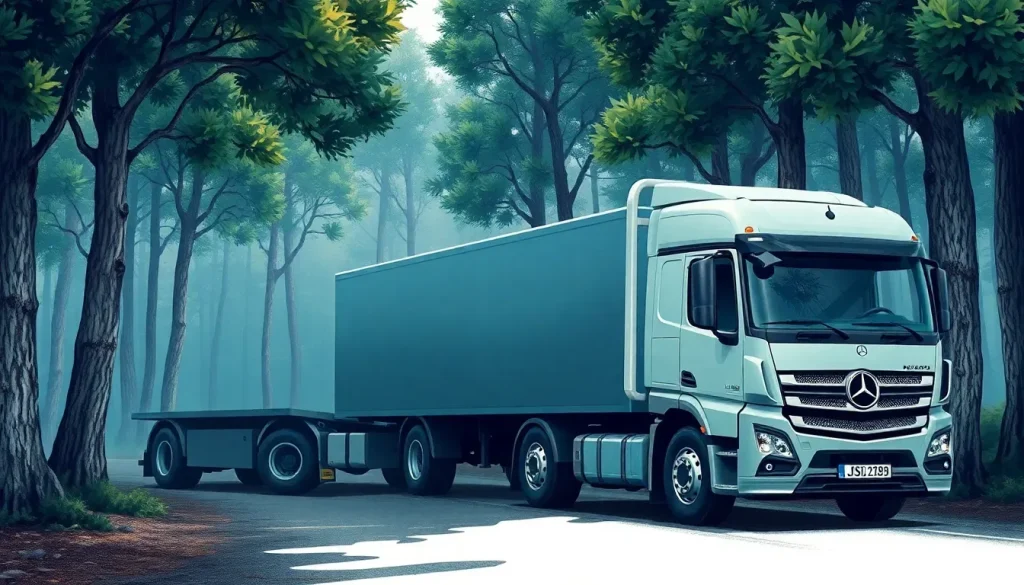
In a world increasingly aware of environmental issues, the collaboration between businesses and ecological initiatives has become crucial. One such partnership is between Mercedes-Benz Trucks and Buses and the organization Seamos Bosques, which aims to revitalize ecosystems in Argentina. This article delves into their joint efforts to restore biodiversity and engage local communities.
- The Importance of Biodiversity in Argentina
- Seamos Bosques and Its Mission
- How Mercedes-Benz Contributes
- Community Involvement: A Cornerstone of Success
- Promoting Local Economies through Biodiversity
- Tracking Progress: Technology and Data Management
- Expanding the Network: Engaging More Businesses
- Why Native Species Matter
- Conclusion: A Path Forward
The Importance of Biodiversity in Argentina
Argentina is home to diverse ecosystems, yet these are under threat due to human activities. Among these ecosystems, the Yungas of Tucumán stand out. Covering only 2% of the national territory, this region harbors over 50% of the country's biodiversity. The Yungas are subtropical forests that play a vital role in carbon sequestration and maintaining ecological balance.
Unfortunately, these forests face severe degradation due to deforestation, erosion, and climate change. Such impacts not only threaten wildlife but also the livelihoods of local communities that depend on these ecosystems for their survival. Recognizing this crisis, initiatives like "Somos Parte del Cambio" seek to address these challenges.
Seamos Bosques and Its Mission
Founded on the premise of ecological restoration, Seamos Bosques works across 5,650 hectares of degraded land. The organization focuses on reversing the damage caused by indiscriminate logging and human activities. Their mission extends beyond mere tree planting; it includes:
- Restoring ecosystems to their original state.
- Enhancing biodiversity through native species.
- Engaging local communities to ensure sustainable practices.
This comprehensive approach aims to create a resilient environment that can thrive long into the future. The partnership with Mercedes-Benz began in April 2022, with the commitment to plant a tree for every vehicle sold, which adds a layer of corporate responsibility to their operations.
How Mercedes-Benz Contributes
Mercedes-Benz Trucks and Buses are not just passive supporters; they actively engage in the ecological restoration process. Over the past four years, they have helped plant more than 25,000 native trees. These trees are carefully selected to grow to heights of around 30 meters, allowing them to play a significant role in restoring biodiversity.
The collaboration exemplifies corporate social responsibility, providing a model for other businesses to follow. Key components of this partnership include:
- Implementing a tree-planting program associated with vehicle sales.
- Working closely with Seamos Bosques to monitor the health and progress of planted trees.
- Engaging their employees and clients in sustainability efforts.
Community Involvement: A Cornerstone of Success
Integral to Seamos Bosques' approach is its collaboration with local communities, particularly in El Cajón, a village adjacent to the project area. By hiring local workers and providing formal employment, the initiative ensures that residents gain economic benefits while participating in ecological restoration.
This strategy emphasizes a holistic view of ecological projects, where community welfare and environmental health are intertwined. Paula Bellsolá Ferrer, co-founder of Seamos Bosques, emphasizes that their mission transcends mere tree planting; it’s about creating lasting value and wealth for future generations.
Promoting Local Economies through Biodiversity
The project not only focuses on planting trees but also on enhancing local economies through sustainable practices. For instance, the cultivation of native fruit-bearing plants, such as the chilto—a local superfood—opens avenues for micro-enterprises. Local residents can produce:
- Jams and preserves from chilto.
- Natural products for local markets.
- Educational workshops to share knowledge and skills.
This creates a cycle of economic empowerment while restoring the ecosystem, proving that environmental initiatives can yield significant social benefits.
Tracking Progress: Technology and Data Management
Monitoring the growth and health of the trees planted is crucial for the success of Seamos Bosques' efforts. The organization employs geolocation technologies to track each tree's progress over time. This includes:
- Mapping the exact locations of all planted trees.
- Providing companies with reports on growth metrics and tree health.
- Ensuring accountability by replacing trees that do not survive the critical first five years.
This data-driven approach not only fosters transparency but also allows for continuous improvement in their restoration strategies.
Expanding the Network: Engaging More Businesses
Since its inception, Seamos Bosques has collaborated with around 70 different companies, ranging from small startups to large corporations. Each organization contributes in various ways, whether through direct tree planting, donating a percentage of profits, or facilitating community engagement activities. The diverse forms of participation highlight the versatility of corporate involvement in environmental initiatives.
Mercedes-Benz is one of the notable partners committing to sustainability year after year. Their consistent involvement underscores the importance of long-term partnerships in ecological restoration efforts.
Why Native Species Matter
The emphasis on planting native species is a fundamental aspect of Seamos Bosques' philosophy. Unlike non-native species, native trees contribute significantly to local biodiversity and ecosystem health. These species provide:
- Essential habitats for local wildlife.
- Improved soil quality and water retention.
- Greater resilience against pests and diseases.
This focus on biodiversity not only helps restore ecological balance but also ensures that the forest can sustainably support future generations.
Conclusion: A Path Forward
The collaboration between Mercedes-Benz Trucks and Buses and Seamos Bosques serves as a beacon for corporate responsibility in ecological restoration. Through innovative partnerships, community engagement, and a strong commitment to biodiversity, they are making strides in restoring one of Argentina's most vital ecosystems. The success of this initiative demonstrates how businesses can play a transformative role in addressing environmental challenges while fostering economic growth in local communities.
To learn more about this inspiring project, consider watching this informative video:



Leave a Reply