
NVIDIA Encourages AICs to Sell 16 GB RTX 5060 Ti, Limits 8 GB Supply
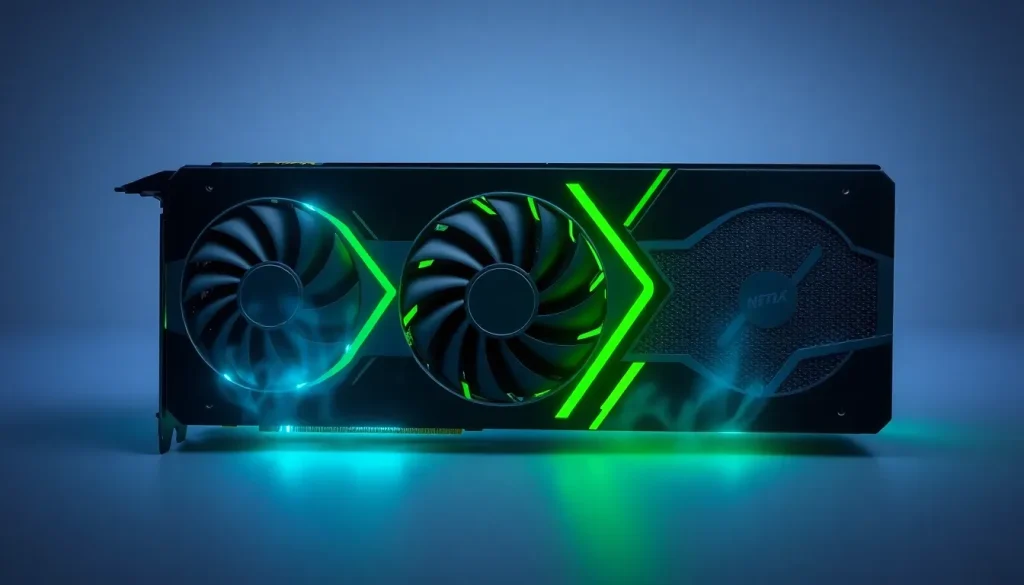
NVIDIA, a dominant player in the graphics card market, is facing a pivotal moment with its RTX 5060 Ti line. Recent reports suggest that the company is shifting its strategy to focus on the 16 GB version of the card, largely due to disappointing sales of the 8 GB model. As the gaming landscape evolves and the demand for higher performance increases, NVIDIA's decision reflects broader trends in consumer preferences and technological advancements.
This article delves into the reasons behind NVIDIA's strategic pivot, examines the implications for consumers and retailers, and explores the future of graphics cards in an increasingly demanding market.
NVIDIA's Strategic Shift Towards the 16 GB RTX 5060 Ti
Reports from industry insiders indicate that NVIDIA is taking significant steps to adjust its RTX 5060 Ti inventory management. A leaker on Board Channels revealed that the company has recognized a stark contrast in consumer demand between the 16 GB and 8 GB editions of the card. The 8 GB variant is struggling to capture market interest, prompting NVIDIA to instruct its board partners to limit the supply of this model.
This decision is not merely a reaction to sluggish sales; it reflects a strategic response to a rapidly changing gaming environment. As modern games become increasingly resource-intensive, the need for higher VRAM capacity has become apparent. The 16 GB version is now being positioned as the more attractive option for consumers, who are looking for longevity in their hardware investment.
Market Dynamics: Why the 8 GB Edition Struggles
Several factors contribute to the poor performance of the 8 GB RTX 5060 Ti:
- Increased VRAM Demand: Many AAA titles now require more than 8 GB of VRAM, especially at higher resolutions like 1440p.
- Competitive Pricing: The 16 GB edition is only $70 more than the 8 GB, making it a more attractive option for gamers considering future-proofing.
- Alternative Options: The Radeon RX 9060 XT, which offers 16 GB of VRAM at a similar price point, has also contributed to the decline in interest for the 8 GB model.
As a result, NVIDIA's strategy aims to prevent excess inventory of the 8 GB model accumulating in retail spaces, which could further drive down its market value.
The Appeal of Higher VRAM Graphics Cards
Gamers today are increasingly aware of the importance of VRAM in graphics performance. The shift towards higher VRAM cards can be attributed to several key factors:
- Future-Proofing: As games become more graphically demanding, having a card with more VRAM ensures that it can handle new titles for years to come.
- High-Resolution Gaming: Players who game at higher resolutions, such as 1440p or 4K, require more VRAM for optimal performance.
- Enhanced Multi-Tasking: Higher VRAM allows for smoother gameplay when running multiple applications simultaneously, such as streaming software alongside games.
This understanding among consumers has led to a noticeable shift in purchasing behavior, with many opting for cards that offer greater capabilities, even if it means spending slightly more upfront.
Retail and Supply Chain Implications
NVIDIA’s decision to limit the supply of the 8 GB RTX 5060 Ti model has significant implications for retailers and consumers alike. By constraining availability, NVIDIA aims to stabilize prices and prevent the 8 GB model from becoming a low-cost option that undermines its perceived value. This strategy can lead to:
- Price Stability: By controlling supply, NVIDIA hopes to prevent drastic price drops that can hurt brand perception.
- Encouragement of Upgrades: With the 16 GB version being promoted as the preferred choice, consumers are more likely to invest in higher-end models.
- Impact on Retailers: Retailers will need to adapt their inventory strategies, focusing on the 16 GB model to meet consumer demand.
As the gaming industry continues to evolve, NVIDIA's approach may serve as a case study for how companies can adapt to changing market conditions.
The Future of NVIDIA and the Graphics Card Market
As we look ahead, NVIDIA is not just navigating current sales challenges; it is also shaping the future of graphics technology. The landscape for graphics cards is rapidly evolving, with several trends emerging:
- Increased Focus on AI and Machine Learning: Future graphics cards may incorporate more AI-driven features, enhancing performance and efficiency.
- Virtual Reality Integration: As VR gaming grows, the demand for powerful GPUs with high VRAM will only increase.
- Environmental Considerations: With a growing emphasis on sustainability, manufacturers may explore ways to reduce the environmental impact of GPU production.
In this context, NVIDIA's current strategy with the RTX 5060 Ti could have lasting implications, influencing both consumer expectations and technological advancements.
For more insights on the challenges faced by NVIDIA and the graphics card market, check out this video:
NVIDIA's current maneuvering with the RTX 5060 Ti illustrates the complexities of the gaming hardware market. As consumer expectations continue to evolve, companies must be agile and receptive to the needs of their audience. The success of the 16 GB model may very well define NVIDIA's future strategies in a highly competitive landscape.


Leave a Reply