
The Edge of Tomorrow Develops at HP

The technological landscape is in a state of rapid evolution, particularly with the convergence of artificial intelligence (AI) and edge computing. At HP Imagine 2026, held recently in New York, the company showcased its vision for the future: a world where AI is not solely reliant on the cloud but integrated directly into the devices we use daily. This approach emphasizes the need for localized computing power, aiming to enhance efficiency and responsiveness for enterprises.
As businesses increasingly seek to incorporate AI into their operations, HP’s strategy reflects a significant shift in how technology can be utilized. Rather than relying on standalone tools or remote services, organizations are now looking for seamless integration of AI into their everyday workflows. This article delves into HP's latest advancements and what they mean for the future of enterprise computing.
- The transformation of enterprise AI
- HP's leadership changes and its impact
- The economics behind edge AI
- Innovative workflows for architecture, engineering, and construction
- 3D collaboration without VR headsets
- Vertical innovation in key industries
- HP IQ and on-device AI capabilities
- Advancements in enterprise hardware and security
- Gaming strategy and the HyperX brand
- HP's future direction in edge AI
- The HP EliteBook 6 G2q as a game-changer
The transformation of enterprise AI
HP is at the forefront of a critical transition in enterprise AI, which is moving away from the traditional reliance on cloud-based systems. Instead, the company is advocating for a more integrated approach where AI capabilities are embedded within devices and workstations.
This movement indicates a broader trend in the industry, where businesses are becoming more adept at utilizing AI in a practical, hands-on manner. Key components of this transformation include:
- Integration: AI is being woven into workflows, making it an intrinsic part of daily operations.
- Real-time Processing: Localized AI allows for faster decision-making by reducing latency.
- Cost Efficiency: By minimizing reliance on cloud services, companies can manage and reduce operational costs.
HP's leadership changes and its impact
At Imagine 2026, HP’s leadership changes, including the appointment of a new CEO, signaled a shift in the company’s strategic direction. Such transitions often raise questions about the future of execution and innovation within the organization, but HP focused on showcasing its advancements rather than addressing these concerns directly.
Competing against giants like Dell and Lenovo, HP is carving out a niche by emphasizing domain-specific AI applications. The company believes that AI models tailored for specific industries will become increasingly vital. This vision is evident in HP's efforts to balance its legacy of reliability with innovative initiatives like Google Beam and cutting-edge AI systems.
The economics behind edge AI
One of the prominent topics discussed during the event was the concept of the "AI tax." This term refers to the escalating costs associated with running AI applications in the cloud. As more employees utilize these tools, the costs tied to API usage and infrastructure can skyrocket.
To combat this, HP advocates for running AI inferencing directly on local devices. This strategy not only reduces costs but also enhances performance by:
- Minimizing Latency: Local processing allows for quicker responses to data queries.
- Lowering Ongoing Costs: Reducing reliance on cloud services can lead to significant savings.
- Enhancing Data Sovereignty: Keeping sensitive information in-house aligns with growing concerns over data privacy.
Innovative workflows for architecture, engineering, and construction
HP's focus on the Architecture, Engineering, and Construction (AEC) sectors resulted in the development of an end-to-end ecosystem aimed at streamlining various workflows. The company outlined a comprehensive approach that integrates design, simulation, and physical execution:
- Model/Simulate: Utilizing HP Workspace, teams can upload and review design changes effectively.
- Design: The Z6i Fury AI workstation supports modular upgrades for enhanced performance.
- Physical Execution: Designs can be printed using DesignJet printers and implemented with tools like the SitePrint robot, which aids in translating plans onto construction sites.
This cohesive strategy sets HP apart from competitors, as it connects various aspects of the AEC process into a unified workflow, enhancing overall productivity.
3D collaboration without VR headsets
HP’s introduction of Google Beam represents a significant advancement in collaborative technology. Unlike traditional virtual or augmented reality setups, this innovation allows for 3D communication without requiring users to wear headsets.
Expected to launch in 2026, HP Dimension with Google Beam aims to provide users with an immersive communication experience. This system offers a unique solution for organizations seeking enhanced collaboration without the added complexity and cost of hardware-based systems. Key features include:
- Enhanced Presence: Greater engagement during virtual meetings.
- Accessibility: Easy to use without the need for additional equipment.
- Cost-Effectiveness: Reduces expenditure on AR/VR technologies.
Vertical innovation in key industries
HP is strategically applying edge AI across various industries, identifying unique use cases that demonstrate the technology's potential:
- Retail: Systems can recognize returning customers and provide staff with immediate insights for personalized service.
- Clinical: Local inferencing capabilities can enhance patient care through tailored insights.
- Travel: Partnerships are focused on improving routing and identification processes to enhance airport security.
These examples signify a shift towards measurable outcomes rather than merely standalone features, reflecting a growing trend where AI is integrated into the core of business operations.
HP IQ and on-device AI capabilities
Amidst the industry's ongoing reliance on cloud-based solutions, HP IQ signifies the company's commitment to local-first AI models. Developed by a team led by former Apple designer Imran Chaudhri, HP IQ operates directly on devices, enhancing user experience through:
- Natural Language Assistance: Facilitates seamless communication with the device.
- Automated Meeting Notes: Streamlines documentation processes.
- Device Interconnectivity: HP NearSense allows for smooth interactions between nearby devices.
This emphasis on on-device processing not only reduces dependency on cloud infrastructure but also ensures that sensitive data remains secure within local systems.
Advancements in enterprise hardware and security
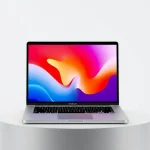
At the event, HP unveiled updates to its enterprise hardware lineup, including the EliteBook 6 G2q, which is positioned as a flagship AI PC. With enhanced processing capabilities and extended battery life, this model is designed to meet the demands of modern professionals.
Key features of the EliteBook 6 G2q include:
- Improved On-Device Processing: Supports complex AI applications effectively.
- Long Battery Life: Up to 28 hours, ideal for mobile users.
- Enhanced Security Measures: HP TPM Guard offers robust protection against potential threats.
Gaming strategy and the HyperX brand
HP continues to expand its presence in the gaming sector through its HyperX brand. By transitioning more focus toward HyperX peripherals, the company aims to attract a more extensive prosumer audience. This strategy aligns with the growing overlap between high-performance workstations and gaming peripherals, focusing on:
- Input Precision: Enhancements that cater to both gamers and professionals.
- Responsiveness: Ensuring top-tier performance across various applications.
- Versatility: Products designed for dual-use in work and gaming environments.
HP's future direction in edge AI
HP Imagine 2026 underscored the company's evolution beyond the traditional realms of PCs and printers, moving towards a future defined by AI-driven capabilities. The strategy focuses on:
- Direct Integration of AI: Reducing cloud dependency while enhancing device functionality.
- Enhancing Collaboration Tools: Providing innovative solutions for remote interaction.
- Maintaining Security Standards: Ensuring data integrity and compliance.
Despite the recent leadership changes, HP remains committed to executing its edge AI strategy, positioning itself as a pivotal player in the expansion of AI across various workflows and operational environments.
The HP EliteBook 6 G2q as a game-changer
In the ever-evolving tech industry, moments of significant change—referred to as "inflection points"—often redefine how we engage with technology. The HP EliteBook 6 G2q embodies this shift, offering compelling advancements in on-device AI performance.
Built on the robust Snapdragon X Elite platform, the EliteBook 6 G2q boasts impressive processing capabilities, delivering up to 85 TOPS of NPU processing. This leap forward enables the device to handle more complex AI workloads locally, which is essential for the future of mobile computing.
For professionals who require mobility, the EliteBook 6 G2q provides:
- Exceptional Portability: A thinner and lighter design tailored for on-the-go use.
- Extended Battery Life: Up to 28 hours, allowing for uninterrupted productivity.
- Innovative Design Potential: Opportunities for future ergonomic enhancements.
Moreover, the EliteBook 6 G2q is designed to support HP IQ, the company’s emerging AI software layer, which further strengthens its position in the market. As demand for localized AI capabilities grows, devices like the EliteBook 6 G2q are poised to become integral to HP's overarching strategy.


Leave a Reply