
ACARA report: September sees 1,733 heavy vehicles registered, Atego 1932 tops sales
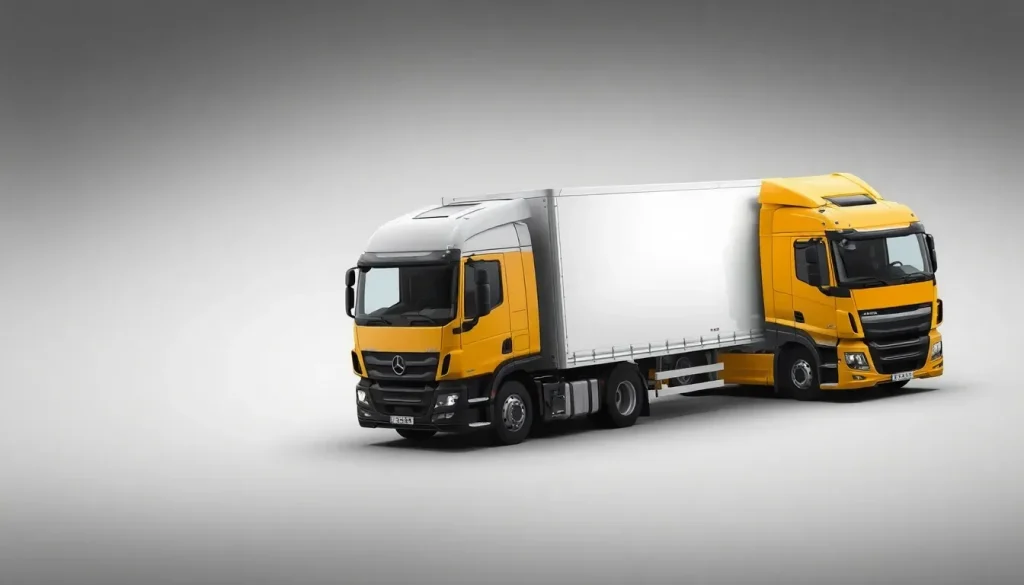
In the ever-evolving landscape of heavy vehicle sales, understanding market trends is crucial for stakeholders. As we delve into the latest report from the Association of Automotive Dealers of the Argentine Republic (ACARA), we uncover not just numbers, but the implications behind them. How do these trends reflect broader economic conditions? Let's explore.
Sales Trends in Heavy Vehicles: A Closer Look
September saw a minor decline in heavy vehicle sales, yet the overall trend remains optimistic. According to ACARA, a total of 1,733 units were registered, marking a decline of 17.2% compared to the 2,092 units sold in August. However, this figure represents an 8.7% increase from September 2024, when 1,595 units were sold. Cumulatively, the year-to-date totals have reached 17,179 units, showcasing a remarkable 63.4% increase from the 10,514 units sold during the same period last year.
This fluctuation in sales figures can be attributed to various factors, including market demand, production capabilities, and economic conditions. Despite the drop in monthly sales, the annual growth signifies a robust recovery in the heavy vehicle sector, reflecting a broader economic resilience.
Top-Selling Heavy Vehicles of September
Leading the charge in sales for September was the Mercedes-Benz Atego 1932, with 100 units sold. This model has consistently performed well, driven by its reputation for reliability and efficiency. Following closely were the Iveco Tector 170 E with 95 units sold and the Iveco Stralis with 81 units. The success of these models underscores the importance of brand trust and vehicle performance in driving sales.
Here’s a quick overview of the top-selling heavy vehicles:
- Mercedes-Benz Atego 1932 - 100 units
- Iveco Tector 170 E - 95 units
- Iveco Stralis - 81 units
- Mercedes-Benz Atego 1732 - 79 units
- Mercedes-Benz Actros 2545 - 78 units
- Iveco Tector - 64 units
- Mercedes-Benz BMO 384 - 61 units
- Scania P420 - 54 units
- Mercedes-Benz Atego 1721 - 53 units
- Mercedes-Benz Accelo 916 - 52 units
When analyzing market share by brand, Mercedes-Benz continues to dominate with a total of 684 units sold in September. This strong performance can be attributed to their extensive range of reliable models and a robust dealer network. Scania held the second position with 343 units, while Iveco followed closely with 325 units sold.
The competitive landscape among manufacturers is critical for understanding market dynamics. Below is the ranking of vehicle brands based on sales:
- Mercedes-Benz - 684 units
- Scania - 343 units
- Iveco - 325 units
- Volvo - 110 units
- Volkswagen - 98 units
- Agrale - 72 units
- Foton - 42 units
- Shacman - 12 units
- Isuzu - 11 units
- JMC - 7 units
Utility Vehicles: Market Overview
The utility vehicle segment is also thriving, with the Toyota Hilux leading the pack, selling an impressive 2,499 units in September. This model has become synonymous with reliability and versatility, appealing to various segments including businesses and individual consumers. The Ford Ranger followed with 2,211 units, while the Volkswagen Amarok secured third place with 2,006 units sold.
Here’s how the utility vehicle sales stacked up:
- Toyota Hilux - 2,499 units
- Ford Ranger - 2,211 units
- Volkswagen Amarok - 2,006 units
- Renault Kangoo - 837 units
- Fiat Fiorino - 835 units
- Fiat Strada - 719 units
- Fiat Toro - 604 units
- Mercedes-Benz Sprinter - 580 units
- Chevrolet S10 - 537 units
- Nissan Frontier - 502 units
Economic Factors Influencing Sales
The heavy vehicle market is intricately linked to economic conditions, including industrial growth, infrastructure projects, and export demands. Increased investment in infrastructure, particularly in developing regions, can significantly boost heavy vehicle sales as companies expand their fleets to meet growing logistic needs.
Furthermore, economic stability often correlates with consumer confidence, affecting both individual and business purchasing decisions. Understanding these factors can provide valuable insights for manufacturers and dealers alike.
Future Projections for the Heavy Vehicle Market
As we look ahead, several trends may shape the future landscape of heavy vehicle sales:
- Technological Advancements: The integration of technology in heavy vehicles for better fuel efficiency and safety features is expected to drive consumer interest.
- Green Initiatives: With a global shift towards sustainability, electric and hybrid heavy vehicles are likely to see increased demand.
- Regulatory Changes: Changes in regulations regarding emissions and safety standards may impact manufacturer strategies and truck designs.
These elements represent not just challenges but also opportunities for growth in the heavy vehicle sector as stakeholders adapt to an evolving market landscape.


Leave a Reply