
Apple Home Hub tablet rumored to be made in Vietnam for $350
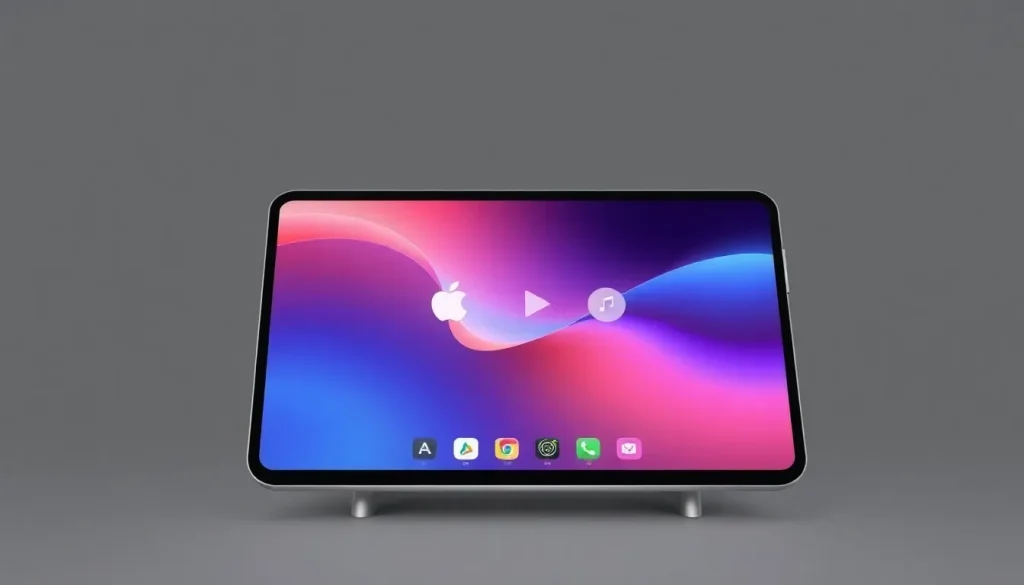
As technology continues to evolve, smart devices have become integral to our daily lives, and Apple is poised to take a significant leap forward with its upcoming Home Hub tablet. This device, which has been the subject of speculation since 2021, is expected to redefine how we interact with our smart homes. Set to launch in March 2026, the Home Hub is not just another tablet; it's a strategic move aimed at enhancing the Apple ecosystem in a more cohesive manner.
Recent reports indicate that the Home Hub will feature two configurations, each priced at $350 and manufactured in Vietnam. This shift in production aims to lessen Apple's dependence on Chinese manufacturing, marking a notable change in the company's supply chain strategy.
Exploring Apple's Home Hub Strategy
The Home Hub is a culmination of Apple's vision for a unified smart home experience. Initially described as a portable 6-inch tablet, it has evolved into a roughly 7-inch device with two distinct models: the J490, designed to be mounted to a speaker base, and the J491, intended for wall mounting. This change reflects the company's commitment to creating a versatile and functional device that complements existing Apple products.
While earlier models were envisioned as a single-use, highly portable device, the new configurations suggest a more integrated approach. Users will have the flexibility to choose between the two models, both priced at $350. However, the implications for accessory costs and additional mounting options remain unclear.
Apple's strategy appears to focus on creating an environment where multiple Home Hub tablets can coexist within a household. This concept envisions a scenario where families might purchase a tablet for each member, allowing for a more personalized experience. However, it is crucial to note that this device is not intended to replace the iPad but rather to serve a different purpose within the Apple ecosystem.
Understanding the Purpose of the Home Hub
The Home Hub tablet is designed to function as a passive device for multiple users, contrasting sharply with the iPad, which is geared toward individual use. This distinction is vital for understanding how the Home Hub will fit into the broader landscape of smart home technology. Unlike the iPad, which often serves various functions for a single user, the Home Hub aims to be a dedicated control center for the entire household.
- Always-on display for home management.
- Facial recognition to personalize user experiences.
- Integration with smart home devices for seamless control.
- Dedicated widgets and notifications for household tasks.
Apple envisions a future where the Home Hub acts as an always-on control center, allowing users to access information, control smart devices, and even enjoy media without needing to interact with their personal devices continuously. For instance, a user could effortlessly switch from listening to a podcast to following a recipe on screen, all while the tablet adjusts based on who is in proximity.
Innovative Features and Capabilities
The Home Hub is expected to leverage advanced technologies, including facial recognition and proximity sensors, to tailor the user experience. This means that the device could recognize individual family members and adjust its display and functionality accordingly. For example:
- A family member might resume a favorite podcast while cooking.
- Another could access their music playlist during a gathering.
- Notifications can be personalized based on user preferences.
This personalized interaction will extend the device's utility beyond mere control, effectively transforming the Home Hub into a central feature of the smart home experience. The potential for integration with Apple’s ecosystem, including services like Apple Music and Siri, enhances its value as a household companion.
Apple's long-term vision includes future iterations of the Home Hub that could feature more interactive elements, possibly even a robotic arm that responds to user commands, further expanding its functionality.
Manufacturing and Production Insights
In a bid to diversify its manufacturing base, Apple has opted to assemble the Home Hub in Vietnam. This strategic decision not only helps reduce reliance on Chinese manufacturing but also aligns with broader trends in the tech industry towards localization and supply chain resilience.
The assembly will be handled by BYD Co., a prominent player in the electronics manufacturing sector. This partnership may extend to the assembly of other Apple products, including certain iPad models, as the company seeks to adapt to changing global economic conditions.
Market Positioning and Price Point
The Home Hub's pricing strategy places it at a competitive advantage compared to existing Apple products. At $350, it sits above the price of the large second-generation HomePod but below the anticipated $1,000 price tag for a more advanced robotic version expected by the end of 2027. This strategic positioning aims to attract a broad consumer base, offering a smart home solution that is both accessible and feature-rich.
With its focus on creating a multi-user environment, the Home Hub is set to redefine how households interact with technology, making it an enticing option for families looking to enhance their smart home experience without the limitations of traditional tablets.
As we approach the expected launch date in March 2026, excitement continues to build around the Home Hub. The device is anticipated to serve as a central element in Apple's smart home ecosystem, offering users a new way to engage with their environments while providing seamless integration with existing Apple products.
For more insights into this upcoming device, you can check out this video that discusses Apple's plans for its smart home technology:



Leave a Reply