
Apple plans affordable touch screen MacBook Pro
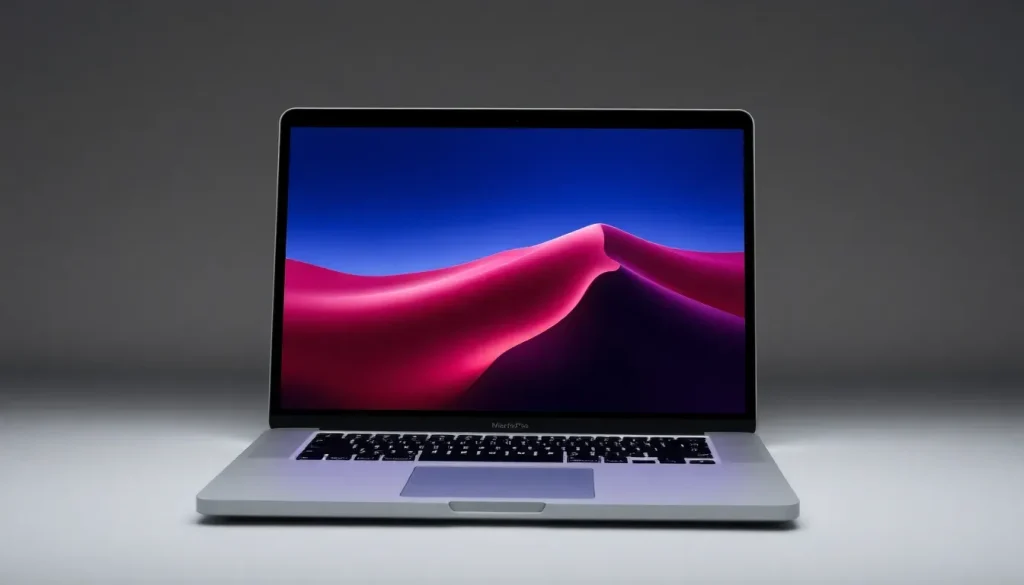
After years of skepticism and strategic hesitation, Apple seems poised to embrace a technology that many have long awaited: a touchscreen MacBook Pro. This shift marks a significant change in the company's approach and reflects an evolving landscape in personal computing. Let's delve into the details surrounding this anticipated launch.
Apple finally embraces touchscreen technology in the MacBook Pro
Tim Cook’s past dismissal of touchscreen laptops, likening them to “combining a toaster with a refrigerator,” highlights the company’s historically cautious stance towards this technology. However, with more than a decade of reflection and changing consumer preferences, Apple is now ready to introduce a touchscreen MacBook Pro. This decision is bolstered by the current market dynamics, where 2-in-1 devices have gained popularity due to their versatility and user-friendly interfaces.
According to Mark Gurman, Apple is developing new MacBook Pro models featuring a touchscreen and a sleeker design. This forthcoming device, codenamed K114 and K116, will utilize cutting-edge OLED panels with slimmer bezels akin to the displays of the iPhone 17 and iPad Pro. Notably, the traditional notch will be replaced by a punch-hole design, reminiscent of the Dynamic Island feature.
The evolution of touchscreen laptops
The introduction of touchscreen technology in laptops has been a mixed experience for consumers and manufacturers alike. In the early days of 2-in-1 laptops, many models failed to deliver tangible benefits, often resulting in devices that felt cumbersome and ineffective. The initial push from Microsoft to adopt Windows 8 led to a flood of options in the market, but many of these lacked quality and innovation.
- Initial wave of 2-in-1 devices struggled to find their niche.
- Windows 8’s launch prompted a rush of subpar models.
- Quality over quantity became a focal point in later iterations.
- High-end models, like the Microsoft Surface and Lenovo Yoga, set industry standards.
Fast forward to today, and the landscape has changed significantly. The technology has matured, and touchscreen laptops now offer better user experiences, especially in premium segments. With the upcoming MacBook Pro, Apple aims to capitalize on this evolution.
Technical advancements in the new MacBook Pro
The new MacBook Pro will not only feature a touchscreen but also incorporate a host of technological advancements. The device is expected to be powered by the next generation of Apple’s chips, the M6, which promise enhanced performance and efficiency. This will be a crucial factor for professionals and creatives who rely on their devices for demanding tasks.
Another exciting feature is the innovative hinge design, which aims to minimize screen movement during touch interactions. This design evolution indicates that Apple has taken user feedback into account, addressing concerns that have plagued touchscreen laptops for years.
Price predictions and market positioning
As for pricing, Gurman suggests that the new MacBook Pro will come at a premium, costing "several hundred dollars" more than current models. For reference, the recently announced MacBook Pro with the M5 chip retails at approximately 1829 euros (or 37,999 Mexican pesos), reflecting a strategic positioning that aims to justify the added value of touchscreen capabilities.
| Model | Price (Euros) | Price (Mexican Pesos) |
|---|---|---|
| MacBook Pro M5 | 1829 | 37,999 |
| Expected MacBook Pro Touchscreen | Est. +$300 | Est. +$6000 |
What does this mean for the iPad?
The introduction of a touchscreen MacBook Pro presents an interesting challenge for Apple’s existing product lineup, particularly the iPad. The iPad has increasingly become a viable alternative to traditional laptops, especially with the enhancements brought by iPadOS 26. This operating system redesign closely mimics the macOS interface, blurring the lines between the two product categories.
Despite the iPad's inability to run macOS, its portability and functionality make it an attractive option for users seeking productivity without the higher price tag of a MacBook. This competition might lead Apple to rethink its strategy in the laptop market.
Future of touchscreens in Apple's lineup
While the upcoming MacBook Pro with a touchscreen is certainly a bold move, it is essential to note that Apple will be taking a cautious approach with its rollout. The company plans to evaluate user reception thoroughly before implementing this technology in other models. This method aims to avoid the backlash that accompanied Windows 8’s touchscreen push, where many users felt the integration was forced and not intuitive.
For now, the MacBook Pro will retain its traditional keyboard and trackpad layout, ensuring that users can still operate the device comfortably without relying solely on touch. This balance of functionality and innovation will be crucial in determining the success of this new model.
For those curious about the implications of this new product, there’s an insightful discussion available in this video:
In conclusion, as Apple ventures into the realm of touchscreen laptops, it will be interesting to see how this decision impacts its brand perception, product strategy, and the broader market landscape. The evolution of technology continues, and Apple’s adaptation could set new standards in the industry.

Leave a Reply