
Apple Reduces iPhone Air Production Due to Low Demand and Shifts M5 Vision Pro Manufacturing to Vietnam
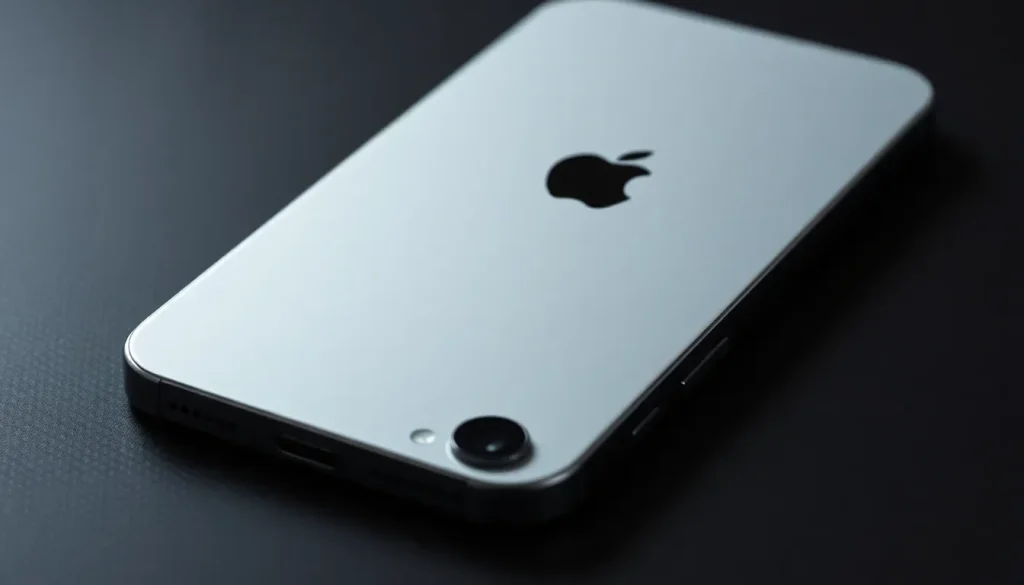
In recent developments, Apple has made notable adjustments to its production strategies, particularly impacting its iPhone Air and M5 Vision Pro lines. These changes reflect the company’s response to evolving market demands and ongoing challenges in its supply chain.
Apple scales back iPhone Air production amid weak demand
A recent survey conducted by KeyBanc Capital Markets revealed a startlingly low interest in the iPhone Air, indicating "virtually no demand for the model along with limited consumer willingness to invest in foldable technology." This assessment has prompted Apple to rethink its production strategy for the iPhone Air.
The survey highlighted a contrasting trend among the other models in the iPhone 17 lineup, which continue to experience healthy demand. Consumers are increasingly gravitating towards the iPhone 17 Pro and iPhone 17 Pro Max variants, which are perceived as offering greater value and performance.
According to reports from Nikkei Asia, Apple has decided to reduce the production cadence of the iPhone Air while simultaneously increasing production orders for the more popular iPhone 17 models. However, specific details regarding the scale of these cuts remain undisclosed.
In a related note, Apple has also postponed the launch of its much-anticipated foldable iPad, originally scheduled for release at $3,900, now delayed until at least 2029. The delay is primarily attributed to ongoing engineering challenges, particularly concerning the device's weight and its ambitious 18-inch folding display, which developers have described as a "giant foldable screen."
- Apple collaborates with Samsung Display to tackle engineering issues related to foldable technology.
- Analysts from Mizuho indicate a reduction in the production target for display panels from 13 million to about 9 million units.
- Delays have also been reported for Apple's first foldable iPhone, primarily due to complexities with its hinge mechanism and folding panels.
Manufacturing shift: M5 Vision Pro moves to Vietnam
In another strategic shift, Apple has begun relocating the production of its M5 Vision Pro to Vietnam, as indicated by updated packaging information. This decision aligns with Apple's broader strategy to diversify its manufacturing locations amid growing geopolitical tensions.
Being one of Apple's lower-volume products, the M5 Vision Pro was well-positioned for this adjustment. The relocation not only signifies a shift in assembly but also represents Apple's intent to mitigate risks associated with its heavy reliance on Chinese manufacturing.
Furthermore, Apple's upcoming home devices, which include a new HomePod featuring a 7-inch display, indoor security cameras, and an innovative tabletop AI robot, are also expected to be manufactured in Vietnam. This expansion of manufacturing capabilities in Vietnam signifies a broader trend of U.S. companies reevaluating their supply chains in response to changing global dynamics.
Apple's pivot to Vietnam can be seen as a proactive measure to shield itself from potential geopolitical disruptions, particularly given that Vietnam has engaged in trade agreements aimed at fostering economic stability and growth. The comprehensive trade deal signed with the Trump administration has helped Vietnam mitigate some of the risks associated with reliance on China.
Ming-Chi Kuo's insights on production capacity cuts
Renowned Apple analyst Ming-Chi Kuo has weighed in on the situation, suggesting that the majority of suppliers for the iPhone Air are expected to reduce their production capacity significantly, with estimates indicating cuts of over 80 percent. This stark reduction reflects not only the lack of demand for the iPhone Air but also the shifting landscape of consumer preferences.
Such drastic changes underscore a fundamental shift in how Apple is responding to market demands and the potential implications for its supply chain management. The company is clearly prioritizing models that resonate more with consumers, while adjusting or phasing out those that do not align with current market needs.
The implications of Apple's manufacturing strategy
Apple's strategic adjustments in production reflect broader trends in the technology industry. As market preferences evolve, companies are compelled to adapt swiftly to maintain competitiveness. A few implications of Apple's current strategy include:
- Increased focus on high-demand products: By scaling back on the iPhone Air, Apple is reinforcing its commitment to models that yield better sales.
- Resilience against geopolitical risks: The shift to Vietnam highlights the company's efforts to build a more resilient supply chain.
- Long-term investment in innovation: Delays in products like the foldable iPad indicate a focus on delivering quality over speed.
These decisions not only impact Apple's product lineup but also reflect a significant shift in the competitive landscape of the technology sector as companies navigate the complexities of global supply chains.
As the situation continues to evolve, industry experts and consumers alike will be watching closely to see how these adjustments affect Apple’s market positioning and overall sales strategy in the coming months.
This video provides additional insights into the shifts occurring within Apple regarding production cuts:



Leave a Reply