
Apple to Launch OLED Displays in iPad Mini and MacBook Air
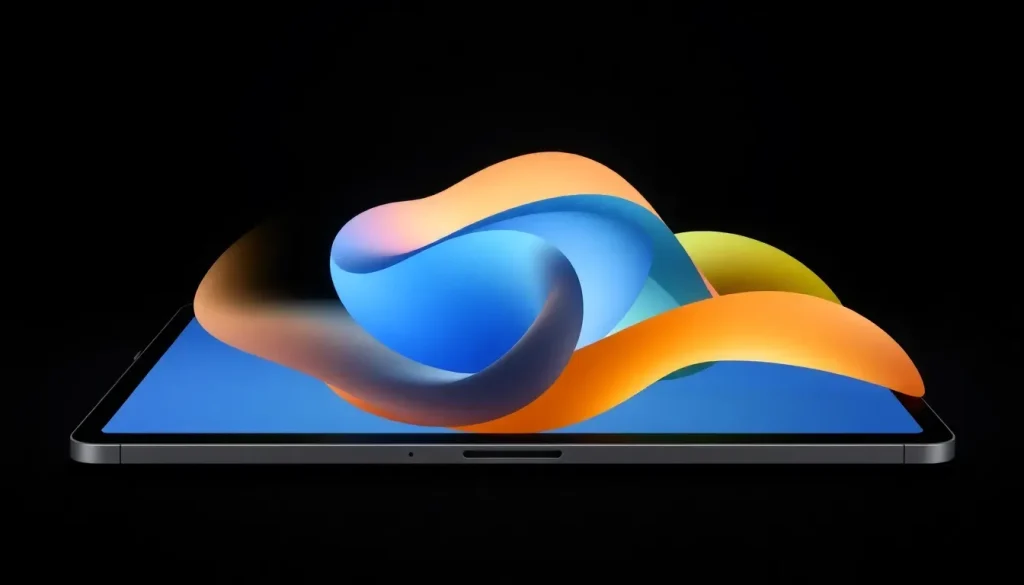
In a significant shift for its product lineup, Apple is set to enhance the display technology in its MacBook Air and iPad models. Recent reports suggest that the company is testing OLED panels for upcoming versions of the iPad Air, iPad mini, and MacBook Air. This move is expected to play a crucial role in boosting sales of these devices throughout 2026.
According to Mark Gurman, a prominent journalist at Bloomberg, Apple is preparing to integrate OLED displays into more of its product line. The technology, already present in the iPhone, Apple Watch, and iPad Pro, is now making its way to the iPad mini. This decision aligns with Apple’s strategy of introducing new components in its premium products before rolling them out to other lines.
Reports indicate that Apple is evaluating the MacBook Air, iPad Air, and iPad mini with OLED screens. While a launch is anticipated in 2026, the iPad mini is expected to be the first of the three to hit the market. Apple engineers are not only working on integrating a new panel into the 8.3-inch tablet but also on a water-resistant casing and a speaker system that utilizes vibration technology.
Gurman notes that these new features are expected to be pivotal in encouraging users to upgrade to the latest version. Unlike iPhone owners, who frequently update their devices, iPad users typically wait between three to five years before replacing their tablets. Apple believes that the introduction of an OLED display will serve as a compelling reason for users to retire their old iPad mini or iPad Air models.
While the report does not specify an exact release date, sources estimate that the OLED-equipped iPad mini will launch sometime next year. However, there is a downside: it may cost up to $100 more due to the new display and components. Although Apple is considering an OLED version of the iPad Air, its release will likely be delayed.
MacBook Air and MacBook Pro with OLED Displays
Beyond tablets, Apple is also preparing updates for its line of laptops. The first model to receive the OLED display will be the MacBook Pro, a transition that has been rumored since 2021.
Gurman previously reported that the first significant redesign of the MacBook Pro is set for 2026, featuring a thinner chassis to accompany the new display technology. The MacBook Air will also transition to OLED screens, although its release may not happen until 2028.
While the information remains speculative, rumors regarding a MacBook Pro equipped with an OLED display have intensified in recent months. A report from TrendForce revealed that Apple requested its suppliers to boost investments in the production of OLED panels for laptops. Although the report did not specify manufacturers, it is speculated that LG Display and Samsung Display will be involved in developing the new screens.
The OLED technology has matured significantly in recent years, yet it has not reached a point where it can fully replace LCD and Mini-LED displays. The main challenge remains its high cost, which typically associates OLED with mid-to-high-end and premium devices. Consequently, popular models like the MacBook Air will likely have to wait two to three more years before implementation.
Understanding OLED Technology and Its Benefits
Organic Light-Emitting Diode (OLED) technology offers several advantages over traditional LCD displays. Here are some key benefits:
- Superior Contrast: OLED displays can achieve true blacks, as individual pixels emit light and can be turned off completely.
- Vibrant Colors: The color reproduction in OLED panels is often more vivid and accurate than LCDs.
- Faster Response Times: OLED screens can refresh faster, which is particularly beneficial for gaming and high-motion content.
- Thinner and Lighter: OLED technology allows for more compact and lightweight designs, enhancing portability.
- Wider Viewing Angles: Users can experience consistent color and brightness levels from various angles.
What to Expect from the Upcoming iPad Models
The anticipated iPad mini with OLED technology is expected to bring several exciting features:
- Enhanced Display: The OLED screen will improve visual quality significantly.
- Water Resistance: A more durable design will cater to users seeking robust devices.
- Vibration Technology: Improved audio experiences with innovative speaker systems.
These enhancements aim to attract users looking to upgrade from older iPad models, providing compelling reasons to invest in the latest technology.
Future Releases and Speculations
Apple's roadmap for future releases seems ambitious, with various products slated for updates. While the iPad mini is expected to be the first to feature OLED technology, the MacBook Pro's redesign is highly anticipated. Industry experts speculate that we may see:
- MacBook Pro OLED: Expected launch in 2026 with significant design changes.
- MacBook Air OLED: Potentially released by 2028.
- More OLED Devices: Further integration of OLED technology into other Apple devices, expanding the lineup.
Apple's commitment to innovative technology and design ensures that its upcoming releases will maintain market competitiveness in the premium segment.
Exploring Apple's OLED Strategy in Detail
Apple's approach to incorporating OLED technology reflects its broader strategy of enhancing user experience through cutting-edge features. By initially introducing OLED in high-end devices, Apple aims to:
- Set Trends: Establish itself as a leader in display technology.
- Drive Sales: Increase revenue through premium product offerings.
- Cultivate Loyalty: Encourage users to upgrade more frequently by providing significant enhancements.
This strategy not only positions Apple as an innovator but also aligns with consumer expectations for superior technology in their devices.
For those interested in further updates on Apple's product developments and innovations, check out this insightful video:



Leave a Reply