
Bad news for Radeon RDNA and RDNA 2 graphics card users
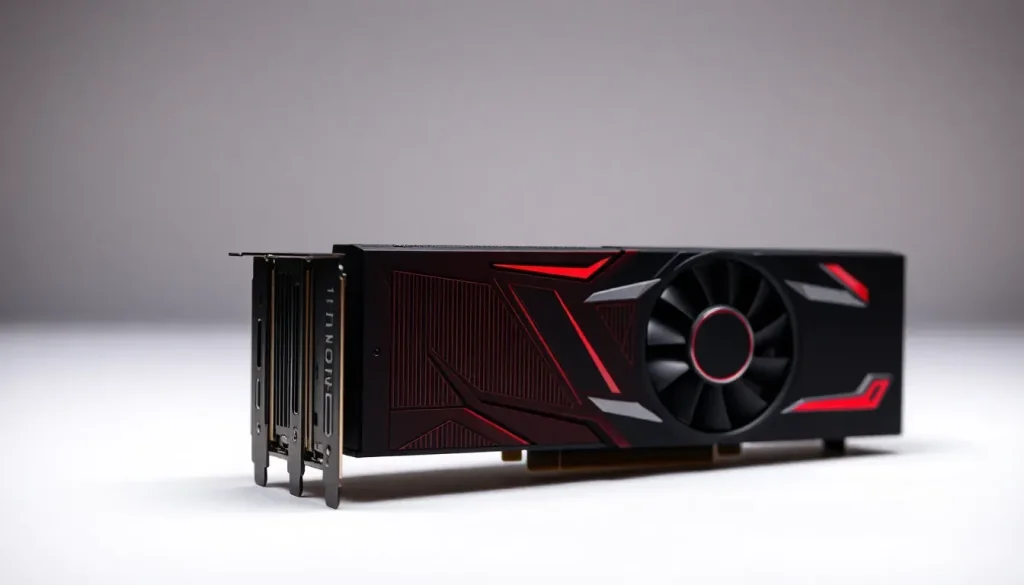
For gamers and tech enthusiasts, the world of graphics processing units (GPUs) is constantly evolving, with new architectures and technologies promising enhanced performance and capabilities. However, recent developments regarding AMD's RDNA and RDNA 2 architectures have raised concerns among users. If you're relying on these GPUs, it's crucial to understand the implications of AMD's latest driver updates and the future of these technologies.
AMD has recently announced that its Adrenalin 25.10.2 drivers bring significant changes, particularly affecting the support for GPUs based on the RDNA and RDNA 2 architectures. While new features are being introduced for the latest Radeon RX 7000 and RX 9000 series, users of the RX 5000 and RX 6000 series are facing a reduction in support that could spell trouble for their gaming performance.
What is the current state of AMD's RDNA and RDNA 2 architectures?
The RDNA (Radeon DNA) architecture and its successor, RDNA 2, have been significant players in the gaming GPU market. Both architectures have a strong presence among gamers, with the Radeon RX 6600 being one of the most popular graphics cards on platforms like Steam. However, despite their popularity, AMD has announced a shift in focus.
According to AMD, the RX 5000 and RX 6000 series will transition to a maintenance mode for driver updates. This means:
- Future driver updates will primarily focus on fixing bugs and addressing security issues.
- There will be no further performance enhancements or optimizations for upcoming games.
- The emphasis will now shift to the RDNA 3 and RDNA 4 architectures for optimizations specific to games.
This decision has sparked concern among users who depend on these GPUs for their gaming experiences, as they will no longer see the benefits of the latest performance improvements and technological advancements.
What does this mean for gamers and developers?
The implications of reduced support for RDNA and RDNA 2 are significant. With the upcoming technologies like FSR Redstone being optimized primarily for the latest architectures, users of older GPU models may find themselves at a disadvantage.
Notably, FSR Redstone aims to harness artificial intelligence to improve gaming performance and graphics quality, helping AMD to compete more effectively with NVIDIA. However, this technology may not be compatible with older RDNA architectures, limiting their users' access to cutting-edge features.
This situation raises questions about the longevity and relevance of current AMD graphics cards in a rapidly evolving market. The move to maintenance mode suggests a strategy that could push users toward upgrading to newer models sooner than they might have anticipated.
Why is AMD making these changes?
AMD's decision to reduce support for RDNA and RDNA 2 appears to be driven by several factors:
- Focus on newer technologies: By allocating resources to the latest architectures, AMD aims to enhance performance and implement new features that keep pace with competitor offerings.
- Market strategy: Encouraging users to upgrade to newer GPUs can drive sales and market share, especially as gaming technology advances.
- Resource allocation: With limited development resources, prioritizing newer architectures allows AMD to optimize performance and innovate effectively.
Ultimately, this shift is a strategic move that reflects the fast-paced nature of the technology sector, where keeping up with competitors is essential for maintaining market position.
Comparing AMD's approach to NVIDIA's support for older GPUs
One of the interesting aspects of this situation is how AMD's approach contrasts with NVIDIA's strategy regarding its older GPU architectures. NVIDIA has continued to support its GeForce RTX 20 series, which was launched in 2018, with driver updates that include performance optimizations for new games.
In contrast, AMD's decision to limit support for RDNA and RDNA 2 raises questions about its commitment to its existing user base. Users may feel compelled to switch to NVIDIA or consider other alternatives if they perceive that AMD is neglecting its older products.
What are the potential impacts on the gaming community?
The gaming community is diverse, composed of casual gamers, competitive players, and professionals who rely heavily on the performance of their hardware. The implications of AMD's recent announcements could affect various segments:
- Casual gamers: Those who play less demanding titles may not feel immediate effects but could miss out on enhancements from new technologies.
- Competitive players: Gamers who participate in esports may find themselves at a disadvantage as newer technologies offer performance improvements that are not available to RDNA users.
- Content creators: Individuals who create gaming content may be forced to upgrade to ensure they can utilize the latest features, affecting their production quality.
Conclusion
AMD's recent announcements regarding the RDNA and RDNA 2 architectures signal a shift in the landscape of GPU support. While the popularity of these architectures remains strong, the move to maintenance mode raises concerns about their future viability in an increasingly competitive market. As AMD focuses on its latest technologies and architectures, users of older GPUs may need to reconsider their options moving forward.
For a deeper dive into AMD RDNA technologies and how they compare with NVIDIA's offerings, check out this insightful video:



Leave a Reply