
EU achieves goal: no charger included in MacBook Pro box
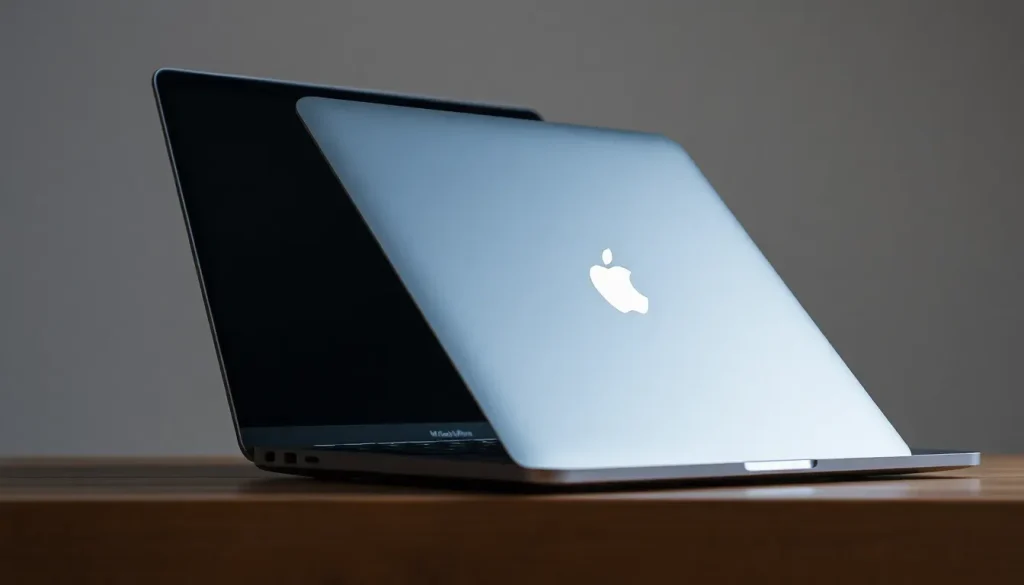
In recent developments, Apple has made significant changes to the way it packages its devices, particularly in response to European regulations. If you’re in the European Union or the UK, you may find that your new M5 14-inch MacBook Pro or iPad Pro comes without a charger, adding an unexpected financial burden. Let’s delve into the reasons behind these changes, the implications for consumers, and what alternatives are available.
Understanding the regulatory landscape is key to grasping why Apple has made this decision. The European Union has long been at the forefront of environmental initiatives, pushing tech companies to reduce electronic waste. This article will explore the significance of these regulations and how they affect not only Apple but also consumers across various regions.
No charger included in the box
For consumers in the European Union and the UK, purchasing a new M5 14-inch MacBook Pro or iPad Pro means incurring an additional cost of approximately $70 for a charger. This situation arises primarily because EU law restricts Apple from bundling a charger with these devices.
The shift from Apple's proprietary Lightning connector to USB-C charging ports on devices like the iPhone is a direct result of these regulations. The EU has mandated a common charging standard to combat e-waste, which has become a growing concern. In fact, the EU’s latest legislation requires all member states to comply by October 9, 2025, ensuring that consumers have fewer chargers and less electronic waste.
Global disparities in charger availability
Unlike the EU and the UK, consumers in the US and many other countries are still offered the option to purchase a charger along with their devices. In the US, buyers can choose between a 70W power adapter included in the price or opt for a more powerful 96W charger for an additional $20.
- The 70W charger is available for $70.
- The 96W charger can be purchased for $20 more.
- In contrast, UK consumers face prices of approximately $78 for the 70W model and $105 for the 96W version.
- Across the EU, these prices convert to approximately $75 or $98.
This disparity highlights how different regulatory environments can significantly affect pricing and consumer choices. For instance, Brazil has previously fined Apple for not including chargers with their devices, showcasing the growing global scrutiny regarding tech packaging practices.
What to do if you don't have a MacBook charger?
If you find yourself without a compatible charger for your MacBook, there are several options available:
- Purchase a compatible charger: You can buy a charger from Apple or authorized retailers.
- Use existing chargers: If you have chargers from other USB-C devices, they may work with your MacBook.
- Borrow from friends or family: If someone you know has a compatible charger, this can be a quick solution.
Notably, Apple has included USB-C cables with their devices, so if you have access to a compatible USB-C charger, you can still charge your MacBook or iPad without needing to buy a new charger.
Can I charge my MacBook in Europe?
Charging your MacBook in Europe is entirely feasible as long as you have the right equipment. European consumers can use any USB-C charger, provided it meets the power requirements of their device. However, it’s wise to consider the following:
- Check the wattage: Ensure the charger provides enough power for your MacBook model.
- Use quality chargers: Opt for reputable brands to prevent damage to your device.
- Be mindful of plug types: You may need a plug adapter to fit European outlets.
In many cases, travelers find they can easily adapt their charging solutions using local chargers or adapters, making it convenient to charge their devices while abroad.
How to charge a Mac Pro without a charger
If you’re faced with the challenging scenario of needing to charge your Mac Pro without its dedicated charger, consider these alternatives:
- USB-C connections: If available, use a compatible USB-C charger with sufficient wattage.
- Power banks: Some high-capacity power banks can charge laptops and may serve as a temporary solution.
- Charging stations: Look for charging stations or USB-C hubs that offer power delivery.
Ultimately, having a backup charging solution can save you from inconvenient situations when you’re away from home.
How to charge a MacBook without a box
If you’ve just purchased your MacBook and it didn’t come with a charger, you still have viable options:
- Use another device’s charger: Most modern chargers are interchangeable, especially those with USB-C connections.
- Visit local stores: Retailers often carry compatible chargers and can provide immediate solutions.
- Online purchases: You can easily order a replacement charger from Apple’s website or other online retailers.
It's important to ensure that any charger you use meets your MacBook's power requirements to avoid damaging the device.
For further insights on this topic, you might enjoy a related video discussing Apple's charger policies and user experiences. Check it out below:
The impact of charger policies on consumer behavior
The decision to exclude chargers from device packaging has sparked discussions about consumer expectations and environmental responsibility. Many users already own multiple chargers, and Apple argues that adding more would contribute to unnecessary electronic waste.
However, the added cost for new consumers can be frustrating. Users may feel compelled to purchase a charger despite their existing collection, raising questions about the fairness of such policies.
As the tech industry continues to evolve, these regulatory changes reflect a larger movement towards sustainability. Consumers are encouraged to recycle old chargers and consider their impact on the environment when purchasing new devices.
Conclusion
In summary, Apple’s decision to exclude chargers from the box in the EU and the UK is a response to regulatory pressures aimed at reducing electronic waste. While this may lead to added costs for consumers, it also highlights the importance of sustainability in tech packaging. As the landscape evolves, users must adapt and find solutions that best suit their needs while being mindful of environmental impact.


Leave a Reply