
Everything You Need to Know About the Ben Solo Star Wars Movie Scandal
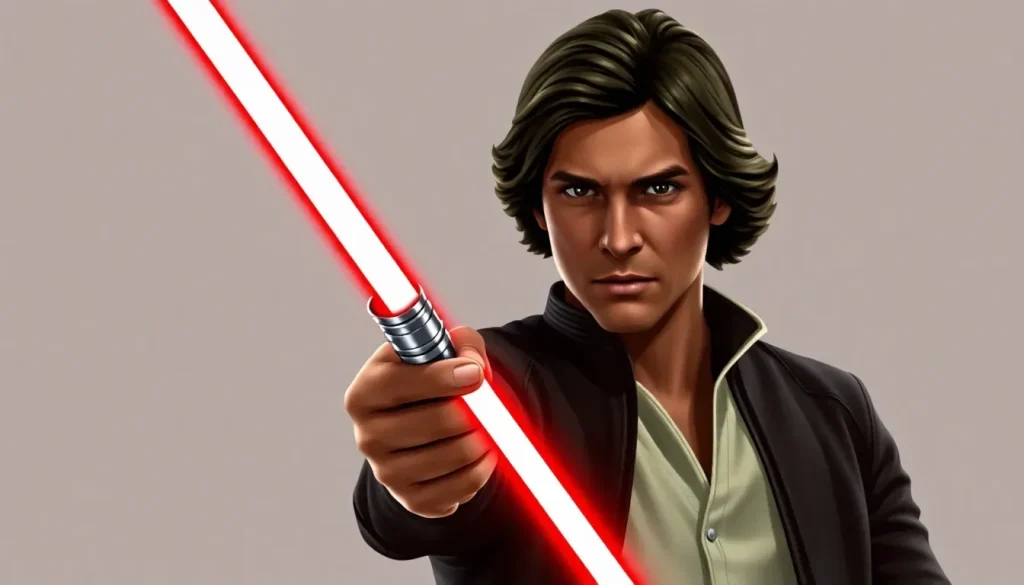
The Star Wars universe is known for its complex narratives, rich characters, and surprising twists. Recently, the cancellation of a highly anticipated movie featuring Ben Solo, portrayed by Adam Driver, has sparked considerable debate and speculation among fans and critics alike. What was meant to be a groundbreaking exploration of Kylo Ren's legacy turned into a scandal, raising questions about Disney's creative direction and internal politics. Here’s everything you need to know about this unexpected turn of events.
- The legacy of Ben Solo and the tradition of resurrections in Star Wars
- Chronology of events leading to the project’s cancellation
- The fallout from the project’s sudden cancellation
- Internal conflicts at Disney regarding the project
- The creative vision behind The Hunt for Ben Solo
- Future implications for the Star Wars franchise
The legacy of Ben Solo and the tradition of resurrections in Star Wars
The decision to cancel a project centered around Ben Solo is intriguing, especially considering the franchise's history of reviving characters. For instance, Emperor Palpatine, who was thought to be dead after his iconic demise, returned in Star Wars: The Rise of Skywalker without much explanation. His comeback was famously glossed over by a character who simply stated, “Somehow, Palpatine returned.” This lack of narrative continuity raises eyebrows, particularly when evaluating the rationale behind the cancellation of Ben Solo's project.
In the expansive lore of Star Wars, several characters have returned from the dead, often with little explanation. Here are some notable examples:
- Darth Maul: After being cut in half by Obi-Wan Kenobi, he miraculously survived and returned in the animated series.
- Boba Fett: Presumed dead after falling into the Sarlacc pit, he made a triumphant return years later.
- Rey: Although not dead, her character arc involves themes of resurrection and legacy, connecting her to the past.
- Obi-Wan Kenobi: His ghost appears to guide future Jedi, demonstrating the power of the Force beyond death.
The cancellation of Ben Solo's film suggests a potential inconsistency in Disney's approach to character resurrection. The franchise has often embraced creative liberties, yet this particular storyline proved too controversial for the studio’s current leadership.
Chronology of events leading to the project’s cancellation
According to Adam Driver, the idea of reviving Ben Solo emerged after he envisioned a narrative that would showcase the character’s enduring connection to the Force, even after his sacrifice. He collaborated with acclaimed director Steven Soderbergh, who found the concept refreshing. Together, they developed a compelling storyline, which they presented to Lucasfilm, receiving initial approval.
However, when the project was brought to Disney executives Bob Iger and Alan Bergman, it faced immediate scrutiny. They reportedly could not understand the premise of bringing back Kylo Ren, citing a lack of clear reasoning for his resurrection. For Driver and Soderbergh, this decision came as a shock, especially given their belief that the story aligned with Star Wars mythology and traditions.
Notably, financial constraints were not a factor in the cancellation. Driver emphasized that they aimed to keep production costs low while maintaining high quality, drawing inspiration from the craftsmanship seen in The Empire Strikes Back. Despite these efforts, Disney remained steadfast in their refusal to greenlight the project.
The fallout from the project’s sudden cancellation
The announcement of the cancellation sent shockwaves through the Star Wars community. The project’s premise resonated with long-standing fan theories surrounding Ben Solo’s fate. In The Rise of Skywalker, he did not appear as a Force ghost, which left many fans speculating about his true destiny.
Consequently, the fandom rallied behind the film, launching social media campaigns like #SaveTheHuntForBenSolo, urging Disney to reconsider their decision. Enthusiastic fans even went so far as to hire a plane to fly a banner over Disney Studios in California, while others erected billboards in prominent locations, including a notable one in Times Square.
These grassroots efforts demonstrate not just a desire for the film but also a broader engagement with the Star Wars narrative. Fans are actively seeking answers and expressing their frustrations over the decision-making processes within Disney.
Internal conflicts at Disney regarding the project
Initially, it was believed that financial reasons were behind the project's cancellation. However, more recent reports suggest that the decision was influenced by internal politics and strategic maneuvers within Disney. It seems that Bob Iger’s actions were not merely about creative direction but also about consolidating power within the company.
According to sources, Iger’s cancellation of the project was part of a larger strategy to position Alan Bergman, a key Disney executive, as his successor. This internal power struggle may have overshadowed the artistic merits of the film, leading to unfortunate repercussions for fans and creators alike.
The implications of this move extend beyond the cancellation of a single film. Critiques of Bergman’s management style and his handling of major projects have emerged, indicating that the internal dynamics at Disney may be influencing the future of Star Wars storytelling.
The creative vision behind The Hunt for Ben Solo
While details about the script for The Hunt for Ben Solo remain scarce, Driver has indicated that it was designed to explore the character’s legacy in a unique way. The project aimed to delve into Ben Solo’s struggles with his identity and the implications of his past actions, set against the backdrop of the larger Star Wars universe.
Driver and Soderbergh’s collaborative process was marked by enthusiasm and creativity, with the intention of crafting a narrative that would resonate with both long-time fans and newcomers. The film was envisioned as a character-driven piece, focusing on the emotional stakes rather than grand spectacles.
As the creative community reflects on this lost opportunity, many industry experts, including Soderbergh himself, have expressed disappointment over the cancellation, lamenting the potential depth and innovation the project could have brought to the franchise.
For those interested in exploring further perspectives on this subject, check out this video that discusses the implications of the canceled movie:
Future implications for the Star Wars franchise
The cancellation of The Hunt for Ben Solo poses significant questions about the future direction of the Star Wars franchise. As Disney grapples with its creative identity and the expectations of a dedicated fanbase, the studio must navigate the fine line between innovation and tradition.
Going forward, it will be critical for Disney to reassess its decision-making processes and consider the potential benefits of embracing fan-fueled narratives. The passionate response to this canceled project highlights the engagement and investment of the Star Wars community, which is eager for meaningful stories that resonate with the franchise's rich history.
As Disney continues to expand the Star Wars universe, understanding and valuing the perspectives of its dedicated fanbase may play a crucial role in shaping successful future projects. The saga of Ben Solo may have reached an unexpected conclusion, but the conversation surrounding its legacy is only just beginning.


Leave a Reply