
Frore Liquidjet DLC Coldplate for NVIDIA GPUs Dissipating 4400W
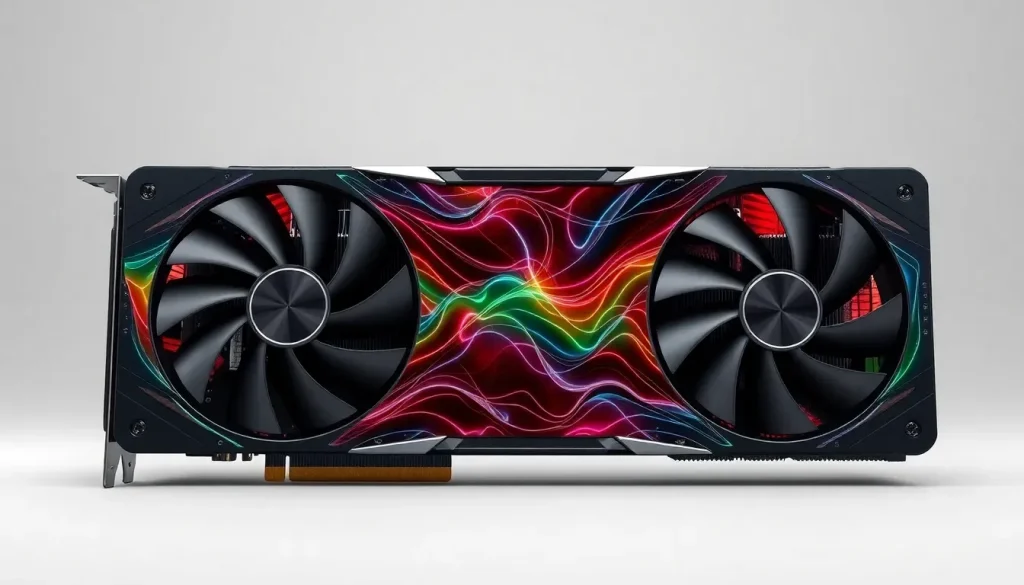
As artificial intelligence (AI) graphics processing units (GPUs) continue to push the boundaries of performance, we are entering a fascinating era of computing where unprecedented power demands are becoming the norm. The challenge of effectively cooling these high-capacity chips is becoming increasingly critical. Enter Frore Systems and their revolutionary LiquidJet DLC Coldplate, a cutting-edge cooling solution that promises to redefine how we approach thermal management in the ever-evolving landscape of AI technology.
Understanding the LiquidJet DLC Coldplate: A Leap Forward in Cooling Technology
The demands placed by AI workloads on GPUs are staggering, with devices like NVIDIA's Blackwell Ultra nearing consumption levels of 4,400 watts. Traditional cooling solutions are struggling to keep pace, leading to a bottleneck in performance. Frore's LiquidJet DLC Coldplate emerges as a game-changer, employing innovative thermal physics and semiconductor manufacturing techniques to manage these unprecedented heat loads effectively.
This new generation of cooling technology diverges from conventional methods. Traditional cold plates utilize two-dimensional microchannels carved from copper, which can lead to significant hydraulic resistance and pressure loss as fluid traverses lengthy pathways. The LiquidJet, however, embraces a three-dimensional design that enhances efficiency, making it a compelling option for the future of computing.
Revolutionizing Heat Dissipation: The Power of 3D Microchannels
At its core, the LiquidJet Coldplate features a three-dimensional microchannel structure designed to direct fluid flow precisely where heat is generated—at the GPU chip itself. By doing this, Frore claims to achieve a thermal dissipation density of up to 600 W/cm2 while reducing pressure losses by up to four times compared to traditional solutions.
This exceptional performance translates into a 50% improvement in heat removal efficiency per fluid volume. Such advancements mean that data centers and engineers can easily adapt their existing liquid cooling systems by replacing just the cold plate while retaining their current infrastructure.
Flexible and Customizable Cooling Solutions
One of the standout features of the LiquidJet technology is its compatibility with existing liquid cooling systems. This adaptability allows for the creation of tailored cold plates that meet the thermal maps of various chips, whether they are CPUs or GPUs. This flexibility is crucial for:
- Reducing system complexity.
- Facilitating upgrades for large data centers.
- Enabling quick changes in cooling systems with minimal modifications.
Advanced Manufacturing Techniques: Paving the Way for New Standards
The innovative design of the LiquidJet Coldplate is made possible through advanced manufacturing processes similar to those used in semiconductor fabrication. By employing etching and bonding techniques, Frore can create micrometric three-dimensional structures that significantly enhance thermal performance.
Initial tests with the Blackwell Ultra GPU, rated at 1,400 watts, have shown promising results, maintaining stable temperatures under maximum load conditions. Even more importantly, this technology sets the stage for future NVIDIA generations, including Vera Rubin (1,800 W), Rubin Ultra (3,600 W), and Feynman (4,400 W).
Preventing Thermal Throttling: A Necessity for High-Power GPUs
As power levels reach new heights, designs like the three-dimensional structure of the LiquidJet become essential. These systems are not merely advantageous; they are crucial for:
- Preventing thermal throttling.
- Maintaining stable frequencies during intensive workloads.
- Ensuring reliability and longevity of silicon components.
While the numbers may seem daunting, the viability of GPUs like the Feynman will heavily depend on effective cooling solutions. This situation emphasizes the need for reliable and efficient cooling technologies in the face of escalating power demands.
Energy Efficiency: A Focus on Sustainable Operation
Lower pressure in cooling systems directly correlates to reduced pump energy consumption, which has profound implications for Power Usage Effectiveness (PUE) in data centers. This reduction translates into lower operational costs, especially critical as AI workloads continue to escalate energy consumption.
In a landscape where GPU thermal output is doubling every few years, innovations like the LiquidJet may transition from being optional enhancements to essential components integrated into the processor's integrated heat spreader (IHS).
The Future of Cooling: Microstructures Designed for Efficiency
The vision Frore is pursuing suggests a future where traditional copper heatsinks are replaced by microstructured cooling solutions designed to cool chips more efficiently. The LiquidJet DLC Coldplate is not just a temporary fix; it represents a fundamental shift in how we think about thermal management in computing hardware.
As we look toward the future, the potential of such a system to revolutionize custom liquid cooling setups is immense, pushing temperature deltas closer to ambient levels and paving the way for a new generation of high-performance computing.


Leave a Reply