
How to choose the ideal truck for your business
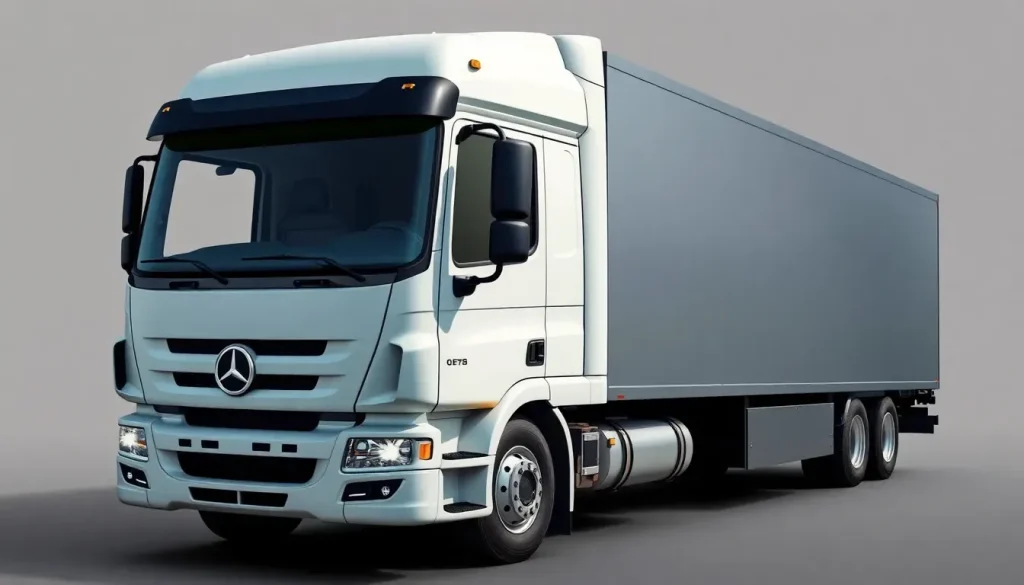
In today's fast-paced world, the effectiveness of commercial trucks goes far beyond mere horsepower. They have evolved into intelligent mobile offices where advanced technology meets operational efficiency. As businesses increasingly rely on logistics and transportation, the decision of which truck to invest in becomes crucial. This guide aims to help you navigate this complex landscape and ensure that you choose the ideal truck that aligns with your business needs.
Understanding the Modern Trucking Landscape
Gone are the days when a truck's value was solely based on its carrying capacity. The contemporary truck is a multifaceted tool that integrates technology, ergonomics, and efficiency. Today's transport professionals face a pivotal question: does this vehicle cater to my business model, routes, driver needs, and customer expectations?
As Marcelo Mauro, the Country Manager of Dongfeng Argentina, aptly states, "The truck driver today is a logistics CEO on wheels." This shift highlights that modern truckers are not just transporting goods; they are managing assets, optimizing routes in real-time, and leveraging technology to enhance productivity.
Key Considerations When Choosing a Truck
- Operational Efficiency: Evaluate how the truck performs per kilometer rather than just its maximum load capacity.
- Technology Integration: Look for trucks that offer advanced connectivity features to streamline operations.
- Driver Comfort: Ensure the vehicle provides an ergonomic environment that supports long hours on the road.
- Cost of Ownership: Assess the total cost of ownership (TCO), including maintenance, fuel efficiency, and resale value.
- Adaptability: Choose a truck that can adapt to your business's unique requirements and fluctuating demands.
Innovative Solutions from Dongfeng
Dongfeng stands out in the market by providing tailored solutions that cater to various transportation needs:
- Urban Micro-Logistics: The Captain W series is designed for last-mile deliveries, boasting agility and a payload capacity of up to 2,045 kg, complete with connectivity solutions.
- Metropolitan Mobility: The Captain C range excels in urban-suburban environments, featuring robust diesel options and transmission systems that anticipate traffic patterns.
- Regional Power: The Captain D 1830 chassis combines industrial-grade performance with sophisticated features like pneumatic suspension and intelligent braking systems.
- People and Package Transport: Dongfeng's lineup of vans and buses reflects a commitment to efficiency and comfort, whether transporting valuable cargo or passengers.
Financial Implications of Truck Ownership
Carlos Luppi, Head of Product at Dongfeng Argentina, emphasizes that "in today's competitive landscape, your truck is not just an expense; it is your most mobile commercial asset." The right choice not only facilitates the movement of goods but also drives your business forward through calculated TCO and enhanced operational capabilities.
The modern investment calculation extends beyond the purchase price. It should encompass:
- Connectivity options that improve logistics management.
- Service intervals that minimize downtime.
- Resale value that optimizes your investment.
Dongfeng's approach incorporates these elements into their designs, resulting in vehicles that work smarter, last longer, and cost less to operate.
Cost of Maintaining a Truck
Understanding the annual maintenance costs associated with a truck is essential for budgeting and financial planning. Here are some factors to consider:
- Regular Maintenance: Scheduled services can range from oil changes to brake replacements.
- Insurance Costs: Premiums vary based on the truck's value, use, and safety features.
- Fuel Expenses: Fuel efficiency plays a significant role in overall costs. Calculate based on average mileage and fuel prices.
- Repairs: Unexpected repairs can arise from wear and tear, so maintaining a reserve budget is advisable.
Choosing the Right Truck for Your Business Needs
When selecting a truck, consider the following:
- Type of Cargo: Understand the dimensions, weight, and nature of the goods you will transport.
- Driving Conditions: Evaluate whether your routes will be urban, suburban, or rural, as this impacts the type of truck needed.
- Desired Features: Determine necessary features, such as automatic transmission, navigation systems, and connectivity solutions.
For more insights into making the right truck selection, you may find this video helpful:
Conclusion
Investing in a truck is not just a financial decision; it's a strategic move that can significantly impact your business. By considering factors such as efficiency, technology, and total cost of ownership, you can make a more informed choice that aligns with your operational goals. As the logistics landscape continues to evolve, ensure that your choice of vehicle meets the demands of your business and drives it toward success.



Leave a Reply