
HydroHaptics technology for using soft flexible materials with haptic feedback
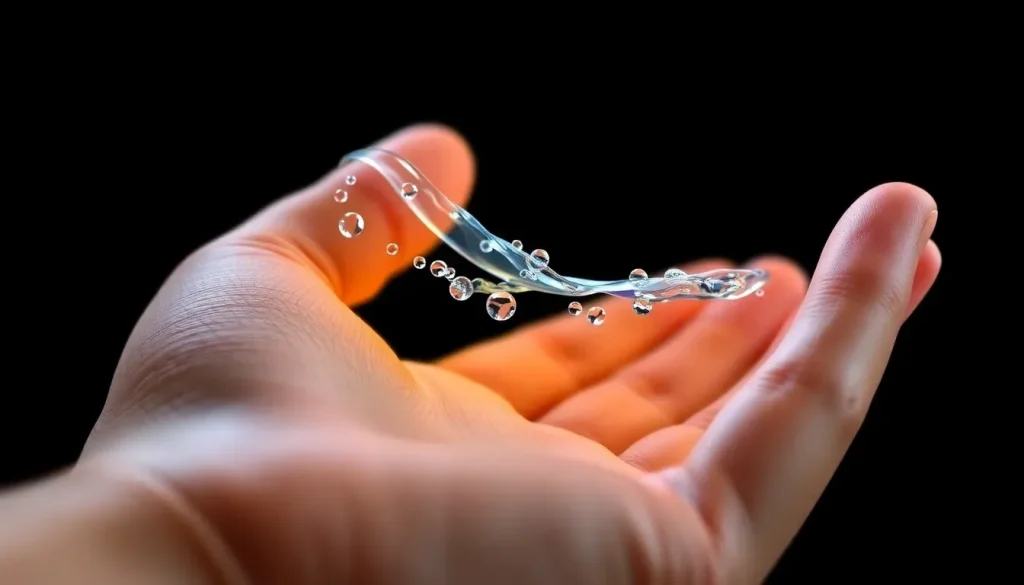
In our modern world, we have become accustomed to the sleek convenience of touchscreens on smartphones, tablets, and various other devices. This evolution has transformed how we interact with technology, moving away from physical buttons and embracing digital interfaces. However, a groundbreaking development known as HydroHaptics promises to take our tactile experiences to a whole new level. Imagine being able to use flexible materials that communicate through physical touch, pressure, and movement.
The rise of touchscreen technology revolutionized the design of gadgets, making them lighter and more compact. With HydroHaptics, researchers have discovered a way to extend tactile feedback beyond traditional interfaces, creating an exciting array of applications that can transform our interactions with everyday objects.
Understanding HydroHaptics: A New Frontier in Tactile Technology
HydroHaptics is a pioneering technology developed by the Department of Computer Science at the University of Bath. This innovative approach allows us to "communicate physically" with various materials by integrating tactile feedback into soft, deformable surfaces. The technology relies on a compact motor housed within a sealed chamber filled with liquid, enabling a seamless connection between digital input and physical sensations.
The motor generates a range of tactile responses, such as vibrations, resistance to movement, and the sensation of clicks, enhancing our ability to perceive and interact with objects. Unlike rigid screens, HydroHaptics distributes these sensations uniformly across the material, maintaining the integrity of the structure while offering a rich tactile experience.
The Mechanism Behind HydroHaptics: How It Works
The heart of HydroHaptics lies in its unique design, which utilizes a liquid-filled chamber that can manipulate the properties of flexible materials. This design allows for:
- Adaptive Feedback: Users can experience a variety of sensations based on their interactions.
- Enhanced Control: The technology can simulate different textures and responses, increasing engagement.
- Versatile Applications: Its use isn't limited to specific devices, opening the door to numerous innovations.
This innovative approach redefines the way we think about interaction with technology, bringing a sense of realism and depth that traditional devices often lack. By mimicking the way we naturally touch and feel objects, HydroHaptics offers a richer experience that blends the digital and physical worlds.
Innovative Prototypes Showcasing HydroHaptics
Several prototypes utilizing HydroHaptics technology have emerged, demonstrating its potential across various fields. Examples include:
- Deformable Joysticks: Allowing players to experience more immersive gaming through variable resistance and tactile feedback.
- 3D Sculpting Mice: Designed for artists to manipulate digital models as if they were physically sculpting, enhancing creativity.
- Guidance Backpacks: Providing haptic feedback to help users navigate through unfamiliar environments.
These prototypes highlight how HydroHaptics can enrich our interactions, making them more intuitive and responsive. The technology is not just a novelty; it has practical applications that can significantly enhance user experience in gaming, design, and navigation.
Potential Applications of HydroHaptics in Various Industries
The versatility of HydroHaptics opens up numerous possibilities across different sectors:
- Gaming: Creating more immersive experiences with responsive feedback that enhances gameplay.
- Healthcare: Assisting in surgical procedures by providing tactile feedback to surgeons when handling instruments.
- Education: Developing interactive learning tools that engage students through touch-based feedback.
- Industrial Design: Allowing designers to prototype and test new products more intuitively.
These applications showcase the far-reaching implications of HydroHaptics, emphasizing its potential to revolutionize how we interact with technology in daily life.
Challenges and Future Directions for HydroHaptics
Despite its promising capabilities, HydroHaptics still faces several challenges that need to be addressed as the technology advances. Key considerations include:
- Durability: Ensuring the longevity of the materials used in conjunction with HydroHaptics technology.
- Cost: Making the technology accessible and affordable for widespread use.
- Integration: Seamlessly incorporating HydroHaptics into existing devices and applications.
Ongoing research and development will play a crucial role in overcoming these hurdles, enabling HydroHaptics to reach its full potential and become a standard in technology interactions.
For those interested in a deeper dive into haptic technologies, consider exploring this informative video on the science of touch in technology.
As we move towards a future where tactile experiences become integral to our interactions with technology, HydroHaptics stands out as a key player. With its ability to provide engaging, realistic feedback through flexible materials, it promises to enhance our connection with the digital world in ways we have yet to fully imagine.



Leave a Reply