
I Tried the Vivo X300 Pro: This Phone is Unbelievable
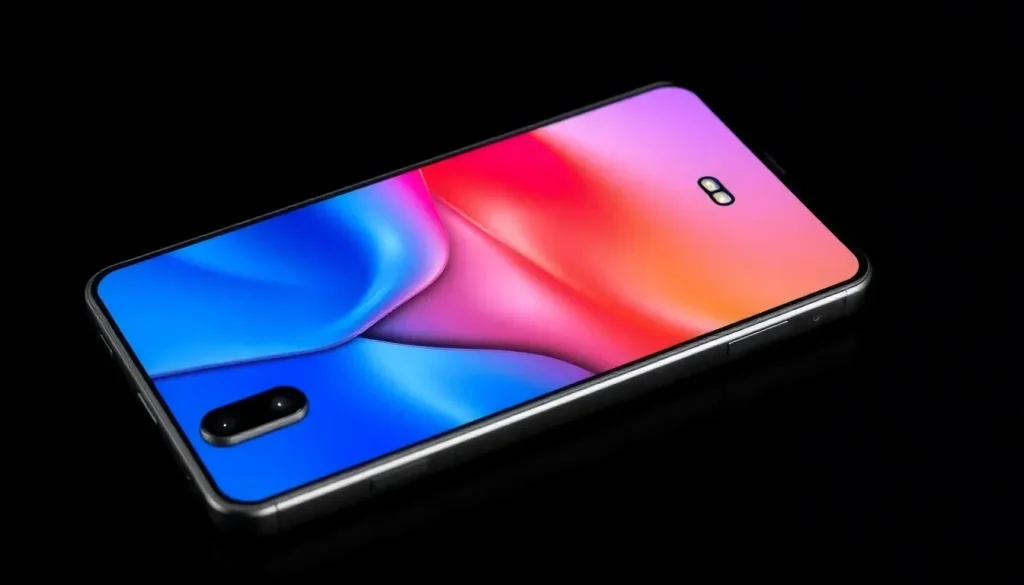
In recent weeks, I have thoroughly enjoyed testing various smartphones, and much of this excitement stems from the new Vivo X300 Pro. This phone has just landed in Spain with a clear ambition: to be one of the best phones of the season. It aims to compete with all the high-end models available today, and it comes equipped with one astonishing feature that stands out in the segment. The X300 Pro is not merely a good smartphone; it aims to follow in the footsteps of its predecessor and evolve into a true pocket-sized camera.
The standout feature, and the reason you might want to buy it, is its photographic capabilities, which reaffirm that the Chinese brand knows how to deliver remarkable quality in terms of sharpness, incredible zoom, and impressive results.
As I delve deeper, I can already reveal that the Vivo X300 Pro boasts one of the best cameras of the year, a refreshed design that exudes premium aesthetics, a display that ranks among the highest quality in the segment, and a performance driven by one of the most advanced chips currently available. It has everything needed to succeed in the high-end market but two significant factors undermine this new generation: its high price exceeding 1,000 euros and an unexpected competitor that makes it difficult to recommend this phone. Is it excellent? Yes. Is it recommendable? Allow me to explain.
Vivo X300 Pro: A redesigned aesthetic worth noting
Vivo has initiated its limited series of updates by revamping the design of the X300 Pro. While the changes are mostly aesthetic, the device looks substantially different from what I experienced last year. Its edges are now entirely flat, the back glass reflects this new design approach, and the camera module is more seamlessly integrated.
This camera module remains prominent and is one of the largest in its segment, justified by the inclusion of a top-tier camera system. The protrusion is quite noticeable, causing the device to balance unevenly when placed on a flat surface.
Nonetheless, Vivo has excelled in this redesign: the X300 Pro is thinner, narrower, and shorter than the X200 Pro. The dimensions have been reduced while maintaining the same screen size, which is commendable for a device nearing 7 inches and weighing over 220 grams.
Overall, the build quality is impressive. The ring surrounding the camera features exquisite details, and using the device daily, despite its bulky design, is not overly heavy or uncomfortable. It’s a well-manufactured phone that only needed minor aesthetic tweaks to enhance and justify this new generation.
Outstanding camera performance with little change
When it comes to the camera, the Vivo X300 Pro is a remarkable piece of technology. However, it’s worth noting that the company opted for no changes in the photographic department; it features exactly the same sensors and specifications as last year's X200 Pro. There hasn't been a single update.
Is this a drawback? While it's not ideal for a new generation, especially for a phone at this price point, Vivo's previous model was already of exceptionally high quality, surpassing most competitors in the market. Although there’s more competition this year regarding zoom capabilities, with brands like Apple making significant advancements, the overall output of the Vivo X300 Pro remains competitive.
The results it delivers are stunning, allowing users to capture amazing images with minimal photography knowledge, and the versatility of its camera system is simply sublime. I thoroughly enjoyed taking pictures with the Vivo X300 Pro, and while I would have liked to see some new features to explore, I cannot deny the fact: it is indeed one of the best cameras of the year.
The primary highlight is its telephoto sensor with a remarkable 200 MP and a focal distance of x3.7, equivalent to 85 mm. Its sharpness, detail quality, and ability to produce great results in various environments are hard to match. The periscope lens is so robust that it delivers an incredible natural blur, resulting in outstanding portrait shots and allowing creative freedom in terms of distance and subject matter.
Night photography is exceptional, possibly among the best on the market. It skillfully handles high lights, eliminates glare, and maintains minimal noise even in complete darkness.
The different focal distances offer great versatility, and the harmony between colors and sensor quality is superb. All cameras perform similarly, providing a dynamically rich range that rivals sensors of much larger sizes, making it easy to achieve striking results in any situation.
The camera app complements this quality. Everything I've described and the examples you’ve seen so far were taken using the basic modes of the Vivo X300 Pro, but it can do much more. The 'Pro' mode enables shooting in RAW and superRAW across all sensors, allowing for a level of control and editing that can surprise even photography professionals.
Is everything perfect with this camera? Not exactly, though this is a detail for photography enthusiasts. Among all high-end mobile cameras, the one on the Vivo X300 Pro has the least effective color management. While it isn’t bad per se, it lacks a distinctive identity. Zeiss does a decent job with the optics, but in its color modes 'Texture', 'Vivid', and 'Zeiss', it falls short compared to other competitors.
This collaboration offers interesting filter options, but for those who are particular about their color profiles, these are merely filters that could be replicated using many other apps. It doesn’t feel like a cohesive color science is integrated throughout the camera, which, to be fair, is something Oppo has perfectly nailed with Hasselblad.
While this isn't a dealbreaker, it is a detail that only those with a keen eye for photography may notice, which somewhat prevents me from categorizing this camera as the definitive top choice. Nevertheless, this flatter color profile, while not detrimental, can be advantageous for those who wish to edit their photos creatively.
Vivo caps off its offering with an impressive video capability. The Vivo X300 Pro allows you to record in 8K at 30 fps and 4K up to 120 fps, rounding out this package with a 'Pro' video mode that supports LOG recording at 10-bit across all sensors in 4K/120 fps. As mentioned earlier, this is a pocket-sized camera capable of delivering professional results.
What’s the best part? Despite the professional-level quality with specific features like logarithmic recording, the learning curve is very low. The camera is so powerful and versatile that it can yield spectacular results in the hands of any user.
Of course, with knowledge, you can elevate it to another level, but it remains accessible to those who can afford the Vivo X300 Pro and are eager to take great photos without extensive expertise in the field.
The significant drawback of the Vivo X300 Pro
Having something very good in hand does not always correlate with a complete overhaul. You can launch a near-perfect product that may not differ much from its predecessor. Apple has been doing this for years with many of its models, but I’m not sure that Vivo can afford this strategy in markets like Spain.
So far, while I have praised the quality, I’ve only mentioned one change from the previous generation: the design. Don’t expect many more alterations. The significant drawback of the Vivo X300 Pro is that it is nearly identical to the X200 Pro.
I don’t exaggerate: the new model has four differences (literally) compared to the previous generation, and one of those is an undeniable step backward. The rest of the components, technologies, and features are unchanged, making it exceedingly challenging to justify a new generation, if not impossible.
Here are the four differences:
- The front camera resolution increased from 32 to 50 MP
- The processor upgraded from MediaTek Dimensity 9400 to Dimensity 9500
- Wireless charging improved from 30 to 40 W
- Now for the unforgivable: the battery capacity decreased from 6,000 to 5,440 mAh
In other words, Vivo waited an entire year to update the processor to the latest generation, enhance the front camera resolution slightly, and reduce the battery size. The other features remain unchanged.
While it’s appreciated to have the latest MediaTek processor, the everyday difference is not noticeable, whereas the decrease in battery capacity is significantly felt. Indeed, one of the main selling points of the X200 Pro was its excellent battery life, and now the Vivo X300 Pro has transformed this advantage into a feature that neither stands out positively nor negatively.
Sure, the X300 Pro has one of the best displays on the market, featuring stunning visuals, high brightness levels, and impressive color reproduction with the ability to display content in Dolby Vision. It also offers high-end quality in all connections and comprehensive connectivity. But all of this was already present in the Vivo X200 Pro.
It’s understandable that, being Vivo, you would launch a phone with limited new features when you already have one of the best devices in many respects. However, it is very challenging to justify a list of nearly identical features alongside a significant reduction in one of the key aspects of any smartphone: the battery.
Is the Vivo X300 Pro a fantastic phone? Yes. Should you buy it? No.
The cherry on top is the price. Despite releasing a phone that is almost identical to last year's model, the Vivo X300 Pro launches in Spain at 1,399 euros, which is 100 euros more than the initial price of the X200 Pro.
Weighing the improvements and setbacks and putting aside the design, the reality is that the Vivo X300 Pro is a worse phone than the X200 Pro. Does it perform slightly better? Yes, but you won’t notice it. However, one major difference that is quite noticeable is the drop in daily battery life. Last year, this was a highlight, and now it accompanies a price increase with a notable decrease.
Does all this mean the Vivo X300 Pro is a bad phone? Not at all. It is one of the best on the market, but it is nearly impossible to recommend it. Currently, the Vivo X200 Pro is available for 1,049 euros on the brand’s website in Spain, which is 350 euros less for what I believe to be a superior experience compared to the X300 Pro.
For the first time, Vivo has brought to Spain its spectacular Photographer Kit, a package that includes the Vivo X300 Pro and a selection of photographic accessories. Essentially, this kit is designed to accommodate a teleconverter that extends the optical zoom to 200 mm and allows digital zoom up to 1,600 mm.
What can this teleconverter do? Beyond making it look like you’re carrying an advanced gadget somewhere between a smartphone and a camera, it enables you to take stunning photographs with impressive zoom capabilities, both at 200 mm and digitally extending to 400 and 800 mm. The images it captures are unique, and with this kit, the Vivo X300 Pro transforms into the ultimate zoom photography device.
Is it necessary? Not at all. Is it user-friendly? Yes, but it requires carrying a considerable amount of gear to achieve that perfect shot. In fact, it somewhat loses the convenience and quickness of mobile photography since you need to lug around a substantial amount of equipment, which can weigh as much as a semi-professional camera.
Additionally, it allows for the attachment of a ring to install ND filters across the entire camera. And not just any filters: these are the same types used in professional cameras, specifically 62 mm diameter ones.
It’s a curious kit and a breath of fresh air in an industry that doesn’t often venture into such offerings, but it's somewhat cumbersome and likely only to be used sparingly. Moreover, despite including many components, it is not particularly cheap: an additional 200 euros on top of the 1,399 euros for the Vivo X300 Pro. While it’s intriguing and of high quality, it may only appeal to a select few.



Leave a Reply