
Intel Nova Lake Features 6th Gen NPU in Early Linux Kernel Patch
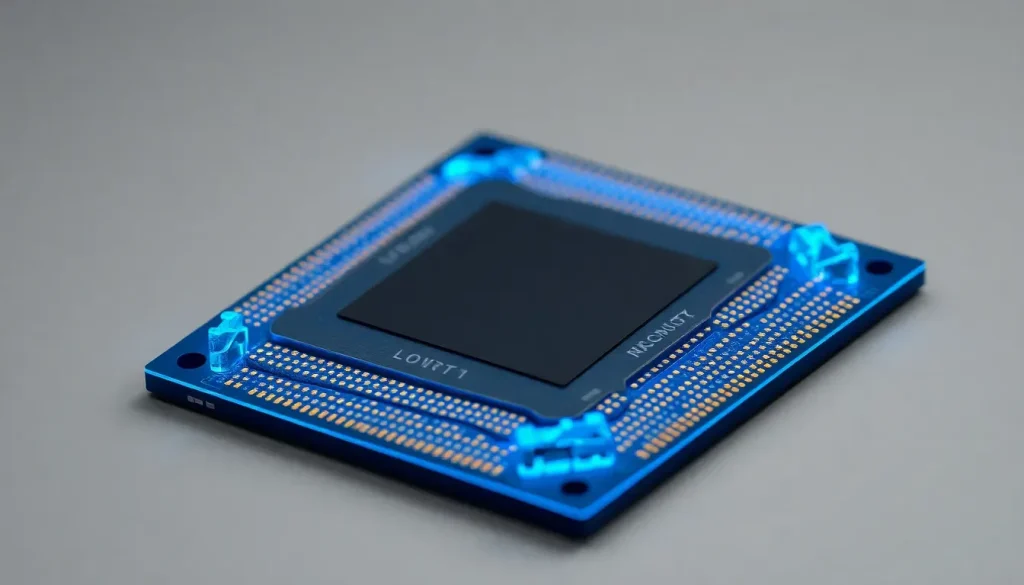
Intel is on a mission to revolutionize its processor architecture with the upcoming Nova Lake CPU family, particularly focusing on enhancing AI capabilities through the implementation of a more advanced Neural Processing Unit (NPU). This decision marks a significant shift as Intel aims to separate its next-generation offerings from previous models, ensuring that each release brings notable upgrades in performance and efficiency.
Intel's Commitment to Advancing NPU Technology
The evolution of Intel's NPU technology showcases the company's dedication to keeping pace with rapidly advancing AI trends. Unlike its predecessors, the Nova Lake series is set to feature a 6th Gen NPU, also known as NPU6, which promises to deliver enhanced AI processing capabilities compared to the NPU used in the Panther Lake series.
Intel has consistently demonstrated an eagerness to adopt newer NPUs for each generation of its processors. For instance, the recently launched Lunar Lake processors have successfully integrated a newer NPU compared to the Arrow Lake family, even though both were released around the same time. This trend is indicative of Intel's strategy to continually improve processing power, particularly in the realm of AI.
The Panther Lake series, set to be released shortly, will utilize the 5th Gen NPU (NPU5), which provides a solid foundation for AI tasks. However, the transition to NPU6 in the Nova Lake CPUs is expected to significantly elevate performance metrics. This strategic move aligns with the growing demand for AI capabilities in consumer and enterprise applications alike.
Insights from the Latest Linux Kernel Patch
A recent patch submitted to the Linux Kernel has shed light on the advancements Intel is making with the Nova Lake processors. This patch introduced support for a new PCI Device ID specifically for the Intel NPU6 component, confirming its integration into future chipsets. The patch, which spans 15 lines, not only identifies the new NPU component but also includes a corresponding firmware blob named pu_60xx_v1.bin.
Despite the excitement surrounding the new NPU, the patch retains compatibility with existing code paths for the NPU5, suggesting that Intel is striving to ensure a seamless transition for developers and users alike. This approach will help maintain functionality while integrating new capabilities, allowing for a smoother user experience.
AI Processing Power: What to Expect from Nova Lake
With the Panther Lake's NPU5 capable of delivering up to 50 AI Tera Operations Per Second (TOPS), expectations are high for what Nova Lake will bring to the table. Although specific figures for the NPU6 have not been disclosed, the shift to this newer architecture suggests a substantial increase in processing power. Users can anticipate the following improvements:
- Enhanced AI performance across applications
- Support for advanced AI frameworks and models
- Improved energy efficiency during AI processing tasks
- Higher TOPS metrics, potentially exceeding 50 AI TOPS
- Compatibility with emerging AI certifications, such as Copilot+
These enhancements are not only crucial for individual users but also for businesses looking to leverage AI in their operations. As AI becomes more integral to various sectors, including healthcare, finance, and technology, the demand for robust processing capabilities will only increase.
The Future of AI in Intel's Processor Lineup
Even with the current low adoption rates for AI-focused PCs, Intel continues to push the envelope in terms of AI capabilities. The company recognizes the potential of AI to transform computing and is committed to making its processors equipped to handle these demands. While the immediate market may not yet fully embrace AI computing, Intel's foresight in this area positions it well for the future.
As the Nova Lake processors prepare for their market debut next year, customers and industry experts alike are eagerly anticipating the enhanced functionalities. The advancements in AI processing power could empower a new generation of applications, from predictive analytics to natural language processing.
To stay updated on the latest developments in Intel's technology and AI initiatives, consider following industry news sources. For instance, Phoronix has been actively covering the implications of the latest Linux Kernel patches and what they mean for upcoming Intel products.
Comparative Analysis of NPU Generations
To understand the significance of the transition from NPU5 to NPU6, it's helpful to look at a comparative analysis between the two generations. The table below summarizes the key differences and expected advancements:
| Feature | NPU5 | NPU6 |
|---|---|---|
| AI TOPS | Up to 50 | Expected to exceed 50 |
| Energy Efficiency | Standard | Improved |
| Application Compatibility | Basic AI frameworks | Advanced AI frameworks |
| Market Readiness | Available now | Coming soon |
This comparative analysis underscores the significant evolution in processing capabilities that the Nova Lake series is set to deliver, making it an exciting development in Intel's ongoing commitment to innovation.
For those interested in a deeper dive into the implications of Intel's new microcode patch, you may find this video insightful:
As we await further announcements from Intel, one thing is clear: the company is not just participating in the AI revolution; it is actively shaping its future through innovative hardware solutions that promise to redefine our interaction with technology.


Leave a Reply