
Isuzu Launches Next-Gen ERGA FCV Fuel Cell Bus for Carbon Neutrality
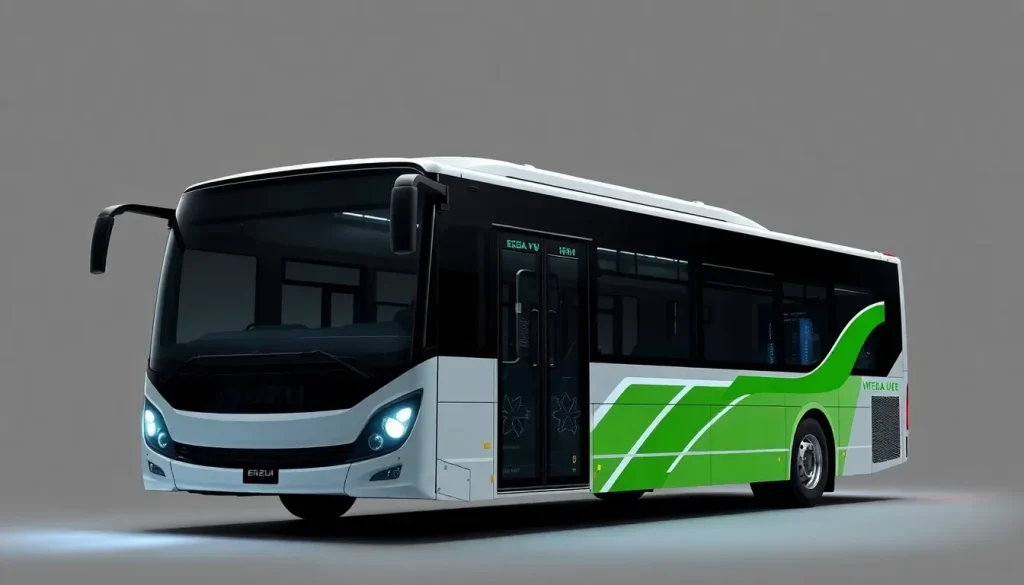
In an era where sustainability is becoming increasingly crucial, Isuzu has taken a significant step forward with the unveiling of its next-generation fuel cell bus, the ERGA FCV. This innovative vehicle is not just a technological advancement; it represents a commitment to reducing carbon emissions and promoting eco-friendly transportation solutions. As cities worldwide strive for greener public transport options, the ERGA FCV stands at the forefront of this movement.
Introduction to the ERGA FCV
Isuzu Motors Limited recently introduced the ERGA FCV at the Japan Mobility Show 2025, held in Tokyo from October 30 to November 9. Featured in the Tokyo Future Tour 2035 program, this bus showcases the latest in hydrogen fuel cell technology, aimed at achieving carbon neutrality in urban transportation.
The ERGA FCV is a product of collaboration between Isuzu and Toyota Motor Corporation, marking a significant milestone in the evolution of public transport vehicles. This partnership highlights the collective effort of leading automotive manufacturers to address environmental concerns through innovative solutions.
Collaboration with Toyota: A Synergy of Expertise
The development of the ERGA FCV is a testament to the power of collaboration in the automotive industry. Isuzu took the lead in body design and overall vehicle development, while Toyota contributed its cutting-edge fuel cell system. This synergy not only combines their strengths but also enhances the overall performance and sustainability of the vehicle.
Key features of the collaboration include:
- Design Integration: The bus incorporates Toyota’s hydrogen tanks and fuel cell stack into its roof structure, allowing for a spacious and accessible interior.
- Flat-Floor Layout: This design not only improves passenger accessibility but also enhances safety by minimizing step heights.
- Joint Innovation: The partnership allows for shared research and development resources, accelerating the pace of innovation in hydrogen technologies.
Technical Specifications of the ERGA FCV
The ERGA FCV operates using a sophisticated chemical reaction between hydrogen and oxygen within its fuel cell stack, generating electricity that powers its motor directly. This process distinguishes it significantly from conventional battery-electric vehicles, which require longer charging times.
Some critical technical benefits include:
- Rapid Refueling: The ERGA FCV can be refueled in a matter of minutes, significantly improving operational efficiency for public transport systems.
- Quiet Operation: The bus is designed to run quietly, contributing to a more pleasant urban environment.
- Zero Emissions: The vehicle produces no CO2 emissions during operation, emitting only water vapor, which is a significant advantage for urban air quality.
Advancing Carbon Neutrality Goals
Isuzu's commitment to carbon neutrality is central to its business strategy, as outlined in its mid-term business plan, ISUZU Transformation – Growth to 2030. The company aims to expand its portfolio of sustainable commercial vehicles and foster a multi-pathway strategy toward achieving carbon neutrality in transportation.
By integrating advanced technologies like those found in the ERGA FCV, Isuzu is not only meeting regulatory demands but also responding to the growing public demand for more sustainable transportation options. This initiative aligns with global trends toward reducing reliance on fossil fuels and enhancing urban mobility.
Future Implications for Urban Mobility
The introduction of the ERGA FCV is set to influence urban mobility in several ways:
- Enhanced Public Transport: With its zero-emission capabilities, the ERGA FCV can provide clean public transportation, contributing to healthier urban environments.
- Job Creation: The development and deployment of fuel cell technology can stimulate job growth in green technology sectors.
- Infrastructure Development: As hydrogen infrastructure expands, cities can expect improvements in refueling capabilities, making fuel cell vehicles more accessible.
Conclusion: A Step Toward Sustainable Transport
As Isuzu continues to innovate and push the boundaries of what is possible in public transportation, the ERGA FCV represents a significant advancement toward a sustainable future. This vehicle not only embodies the technical expertise of its creators but also reflects a broader commitment to environmental stewardship in the transportation sector.
For those interested in learning more about the ERGA FCV and its impact on urban mobility, here is a video showcasing its features:

Leave a Reply