
Leaker states 32MB and 64MB AM5 motherboards will support AMD Zen 6 CPUs
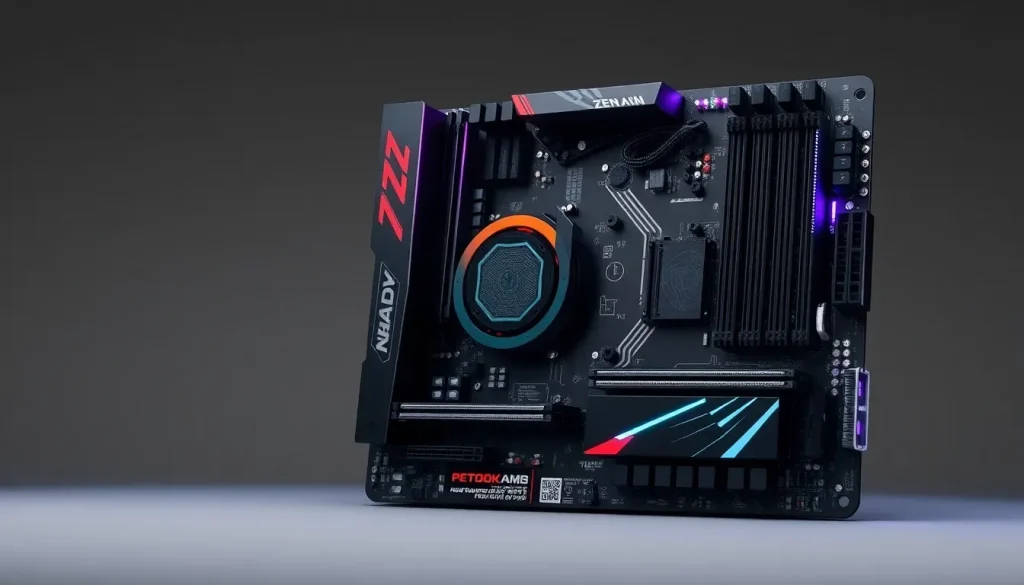
As the anticipation builds for AMD's next-generation Zen 6 processors, motherboard manufacturers are stepping into the limelight, making promises about compatibility with these upcoming chips. With whispers circulating in the tech community, users are eager to learn which motherboards will support these powerful new CPUs. In this article, we delve deep into the implications of these claims and what they mean for current and future AMD users.
Understanding AMD's AM5 Platform and Its Evolution
The AM5 platform represents a significant leap forward for AMD, aiming to support a wide range of processors, including the new Zen 6 chips. It has been designed with longevity in mind, allowing for extended compatibility with future CPU releases. This commitment mirrors AMD's approach with the previous AM4 platform, which saw support for multiple generations of processors.
With the AM5, users can expect:
- New Features: Enhanced functionalities that improve performance and efficiency.
- Security Updates: Regular updates to ensure that the platform remains secure against emerging threats.
- CPU Compatibility: A promise that future processors will be able to operate on existing motherboards.
However, as with any technology, challenges arise. One of the most pressing concerns is the BIOS storage capacity on motherboards, which must accommodate the microcode for both existing and future processors. This is essential for the functionality and stability of the system.
The BIOS Challenge: Capacity and Compatibility
During the AM4 era, many users experienced compatibility issues due to the limited storage space of the BIOS chips. Motherboards with 16MB chips struggled to fit the necessary code for newer processors, particularly with the introduction of Zen 3. A workaround was developed, allowing manufacturers to remove legacy support for older CPUs, freeing up space for the new microcode required by Ryzen 5000 series processors.
This situation raises new questions about the AM5 platform, which features motherboards equipped with either 32MB or 64MB BIOS chips. Users are concerned that the 32MB versions may not have enough room to store the microcode for the upcoming Zen 6 alongside the existing Zen 4 and Zen 5 requirements. Despite being larger than the previous 16MB chips, there are still considerable demands placed on these BIOS systems due to the various new features and complexities of the AM5 architecture.
What Leakers are Saying: Confirmation of Compatibility
In response to user concerns, hardware leaker @9550pro shared insights on social media, claiming that both 32MB and 64MB AM5 motherboards will indeed support the Zen 6 processors. This means that a broad spectrum of boards, ranging from budget options to high-end models in the 600 and 800 series, should be equipped to handle the new CPUs.
This assurance is crucial for AMD enthusiasts who are considering upgrades or new builds. The prospect of broad compatibility across various motherboards significantly reduces the anxiety associated with investing in new hardware.
Potential Workarounds for BIOS Limitations
Even if some boards face challenges related to BIOS space constraints, there are potential workarounds. Users may have the option to eliminate support for older processors, thereby allowing room for the latest microcode. This flexibility is likely to be beneficial, as most users do not frequently swap CPUs.
Additionally, with modern BIOS updates becoming increasingly user-friendly, the process of updating to accommodate new CPUs should not be a daunting task. Thanks to features like BIOS flashback, users can easily update their systems without the risk of bricking their motherboards.
The Exciting Features of Zen 6
Zen 6 is poised to bring numerous advancements, including:
- Increased Core Count: For the first time on the AM5 platform, users can expect more than 16 cores per Core Complex Die (CCD).
- Enhanced I/O Die: Improvements in the I/O architecture promise better data handling and performance.
- Higher Boost Frequencies: Rumored enhancements suggest that these processors will reach impressive clock speeds, further pushing performance boundaries.
These factors combine to create a highly anticipated release that many users are looking forward to. The expectation is that Zen 6 will be a drop-in replacement for existing Ryzen processors, which is sure to please the AMD user base.
Conclusion: The Future of AMD and Motherboard Compatibility
The landscape of PC hardware is ever-evolving, and AMD's commitment to ensuring compatibility across its platforms is a testament to its dedication to users. With the impending arrival of Zen 6 processors and the assurance from leakers regarding motherboard support, enthusiasts can look forward to a seamless upgrade path.
As manufacturers continue to innovate and improve their products, it will be interesting to see how the market responds to these developments. For those eager to dive deeper into the capabilities of Zen 6 and its integration into the AM5 platform, check out this insightful video:
As we approach the launch of these new processors, one thing is clear: AMD's strategy seems set to keep its loyal user base engaged and satisfied with robust options for future upgrades.



Leave a Reply