
LPDDR5X Blamed for Smartphone Price Hikes in 2026
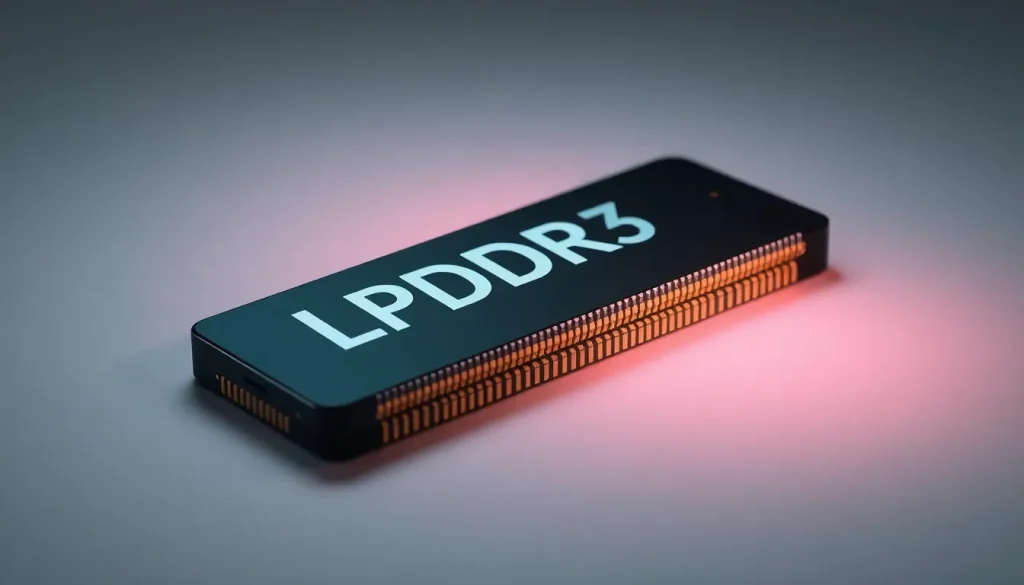
As the demand for high-bandwidth memory (HBM) continues to surge, driven largely by advancements in artificial intelligence, the balance in the semiconductor market is being tested. This shift is set to have significant repercussions for the prices of components essential to smartphones, particularly LPDDR5X memory. As we delve into this topic, we will explore the implications of these market dynamics on smartphone pricing in the near future.
TrendForce forecasts significant increases in DRAM prices affecting LPDDR5X
Recent analyses from TrendForce have indicated a troubling trend in the semiconductor industry, particularly concerning DRAM prices. The heightened demand for HBM, commonly utilized in data center servers, is placing immense pressure on wafer production capabilities. This strain is crucial since the die size for HBM is considerably larger—between 35% and 45%—compared to standard DRAM.
The latest report from TrendForce outlines the current state of the market, noting several key factors:
- Continued increases in DRAM contract prices as global cloud service providers (CSPs) expand their operations and place larger orders.
- TrendForce has revised its forecast for Q4 2025, projecting a price growth of 18-23%, a notable increase from the previously anticipated 8-13%.
- Global server shipments are expected to grow by 4% year-over-year in 2026.
- CSPs are rapidly transitioning to high-performance computing (HPC) platforms, pushing overall DRAM bit demand beyond previous expectations.
- The demand for DDR5 is set to maintain an upward trajectory throughout 2026, especially during the first half of the year.
- Conversely, HBM contract prices are projected to decline year-over-year in 2026 due to increased competition and sufficient inventory levels of HBM3e.
- As of Q2 2025, HBM3e displayed a 4x price premium over DDR5.
- By Q1 2026, DDR5 profitability is anticipated to surpass that of HBM3e.
The escalation of HBM demand is not simply a passing trend; it has tangible consequences for the supply of DDR5, leading to extended delivery times ranging from 26 to 39 weeks. This situation has been echoed in various reports, highlighting the ongoing strain on supply chains and the potential ripple effects on consumer electronics.
The implications of this situation are significant. Lu Weibing, President of Xiaomi, recently commented on the broader implications of these trends, stating in a Weibo post that the company "cannot change the trend of global supply chains" and that the rise in storage costs is both unexpected and set to continue.
Impact of rising memory costs on smartphone manufacturers
The pressures exerted by rising memory costs are already affecting the profit margins of system-on-chip (SoC) manufacturers such as MediaTek. As these companies prepare to transition to the 2nm fabrication process, they face soaring costs, with reports suggesting that TSMC may charge up to $30,000 for a single 2nm wafer. Such expenses inevitably trickle down to the consumer, potentially leading to higher smartphone prices.
LPDDR5X, a high-performance low-power memory variant commonly used in smartphones and portable devices, is particularly vulnerable to these market conditions. It is essential for manufacturers to navigate this landscape carefully, as the following factors will influence their pricing strategies:
- Increased production costs due to higher memory prices.
- Shifts in consumer demand for premium devices featuring advanced memory capabilities.
- Competitive pressures from rival manufacturers who may opt to absorb costs or pass them on to consumers.
OEMs like Xiaomi and Samsung are already contemplating price increases for their smartphones in response to these pressures. The implications are clear: consumers may face higher costs for devices that leverage the latest technology, particularly as manufacturers adjust to the evolving landscape of memory pricing.
Understanding LPDDR5X and its significance
For those unfamiliar with LPDDR5X, it represents an evolution in mobile memory technology, featuring enhanced performance and efficiency compared to previous generations. This memory type is crucial for modern smartphones, particularly as they increasingly integrate advanced features such as artificial intelligence applications and high-resolution displays.
Key characteristics of LPDDR5X include:
- Improved bandwidth: LPDDR5X offers higher data transfer rates, enabling faster application performance.
- Lower power consumption: This memory type is designed to function efficiently, prolonging battery life in mobile devices.
- Advanced thermal management: LPDDR5X components are engineered to operate effectively at higher temperatures, reducing the risk of overheating.
As smartphones evolve, the demand for efficient and powerful memory solutions like LPDDR5X will only increase. This trend underscores the importance of understanding the factors driving up component prices and their potential impact on the consumer market.
Future implications and consumer experience
The current trajectory of LPDDR5X pricing raises several questions about the future landscape of the smartphone market. As manufacturers grapple with rising costs, consumers may face a dual challenge—higher prices for new devices and potentially limited availability of specific models. This scenario could lead to several outcomes:
- Market segmentation: Increased prices may push consumers toward mid-range devices as premium options become less accessible.
- Innovation slowdown: Higher costs could limit the ability of manufacturers to invest in new technologies and features, ultimately affecting the pace of innovation.
- Increased resale value: As new devices become more expensive, older models may retain value longer, leading to a shift in consumer purchasing habits.
As we navigate these changes, it is essential for consumers to stay informed about market dynamics and consider how these factors may influence their purchasing decisions in the near future. To gain further insights, you may want to explore this video that explains why smartphone prices are expected to rise in 2026:
In conclusion, as the semiconductor market continues to evolve and adapt to growing demands, the implications for smartphone pricing and consumer choices will become increasingly significant. Keeping a pulse on these developments will be crucial for both manufacturers and consumers alike.

Leave a Reply