
More titanium expected in next year's iPhone lineup
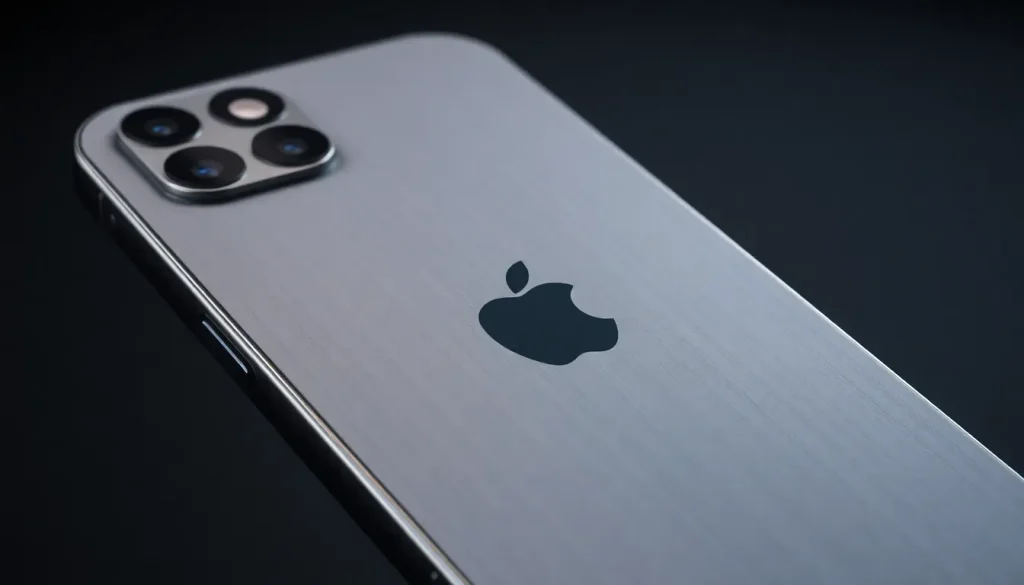
Apple's iPhone lineup has always been a topic of intrigue and discussion among tech enthusiasts and consumers alike. With each new release, the anticipation builds around the materials, features, and design changes. In recent years, titanium has emerged as a hallmark of Apple's premium models, and the latest rumors hint at a significant return of this lightweight yet robust material in the next generation of iPhones. What does this mean for consumers and the overall design philosophy of Apple? Let's explore the evolving landscape of iPhone materials and what to expect in the upcoming models.
The upcoming iPhone lineup may feature titanium in more models
Historically, the iPhone lineup has maintained a certain level of consistency, but this year has seen notable shifts. With the introduction of the iPhone Air, Apple has replaced the Plus model, creating new purchasing dilemmas for traditional Pro users. As Apple gears up for next year's release, rumors suggest even more substantial changes are on the horizon.
According to various sources, the anticipated lineup for next year will consist of four distinct models:
- iPhone Air 2
- iPhone 18 Pro
- iPhone 18 Pro Max
- iPhone Fold / iPhone Ultra
Interestingly, there is no mention of a base model iPhone 18 in this lineup. Reports indicate that Apple is planning to push this model's launch to the following spring to prevent overcrowding during the fall release period.
In addition to the absence of a base model, the next iPhone lineup is set to feature a significant increase in titanium usage. This year, the iPhone 17 Pro and Pro Max shifted back to aluminum, while the newly launched iPhone Air showcased a titanium design. However, next year's models are expected to reverse this trend.
Why is Apple increasing the use of titanium?
Titanium has been a key differentiator in Apple's Pro model iPhones over the past two years. The iPhone 15 Pro and 16 Pro prominently featured this material, highlighting its strength, lightweight nature, and premium feel. The switch to aluminum for the iPhone 17 Pro raised questions among consumers about the durability and design of the device. Now, with the resurgence of titanium, Apple seems poised to reaffirm its commitment to high-quality materials.
Rumors suggest that next year will see two models utilizing titanium: the iPhone Air 2 and the innovative iPhone Fold/Ultra. This marks a shift in Apple's strategy, as the Pro models will not feature titanium for the first time. Instead, the focus will be on the foldable design, which is expected to leverage titanium's advantages for enhanced durability and aesthetics.
The significance of titanium in iPhone design
Titanium is not just a fashionable choice; it offers several practical advantages:
- Weight: Titanium is significantly lighter than stainless steel, making devices easier to handle.
- Strength: Its high strength-to-weight ratio means it can withstand impacts better than other materials.
- Corrosion resistance: Titanium is highly resistant to corrosion, which is crucial for long-lasting devices.
- Aesthetic appeal: The sleek, modern finish of titanium gives the iPhone a premium look and feel.
Apple's decision to bring back titanium aligns with its branding strategy of offering high-end devices that stand out in a crowded market. The use of titanium not only enhances the durability of the devices but also serves as a marketing point, appealing to consumers who prioritize quality and longevity.
Will the iPhone 18 be foldable?
As the tech world buzzes with speculation, the concept of a foldable iPhone has captured the imagination of many. The rumored iPhone Fold or Ultra is expected to be a flagship model, showcasing cutting-edge technology and innovative design. This foldable device is anticipated to combine the benefits of a larger screen with the portability of a traditional smartphone.
The engineering challenges of creating a foldable iPhone include:
- Durability of the folding mechanism.
- Ensuring display quality and responsiveness when folded.
- Battery life considerations in a compact design.
- Maintaining structural integrity under repeated use.
Apple's history of meticulous design and engineering leads many to believe that a foldable iPhone could set a new standard in the smartphone industry, potentially attracting a new segment of consumers.
Looking forward: The future of the iPhone lineup
As we approach the next generation of iPhones, consumers can expect a blend of innovation and refinement in design. The shift toward more titanium models and the introduction of a foldable device indicate that Apple is not just resting on its laurels but is actively seeking to redefine what a smartphone can be.
With the iPhone lineup expected to evolve significantly, tech enthusiasts should keep an eye on Apple's upcoming announcements. The integration of new materials and technologies will likely play a crucial role in shaping the future of mobile devices.
For those eager to get a glimpse of what’s coming, a recent video titled "iPhone 17 FINAL Leaks! New Confirmed Features!" offers insights and speculations that may shed light on the future direction of the iPhone lineup:
Exploring the best iPhone accessories
With the upcoming iPhone releases, it's a perfect time to consider some essential accessories that can enhance your experience. Here are a few top picks:
- AirPods Pro 3 - Perfect for an immersive audio experience.
- AirTag 4-pack - Keep track of your belongings easily.
- MagSafe Car Mount for iPhone - Conveniently mount your phone while driving.
- 10-year AirTag battery case 2-pack - Long-lasting battery solutions for your AirTags.
- 100W USB-C fast charging power adapter - Quick charging for your devices.
As the iPhone lineup continues to evolve, staying informed and prepared with the right accessories can greatly enhance your overall user experience.



Leave a Reply