
OEM Requirements for Truck Safety Testing Explained
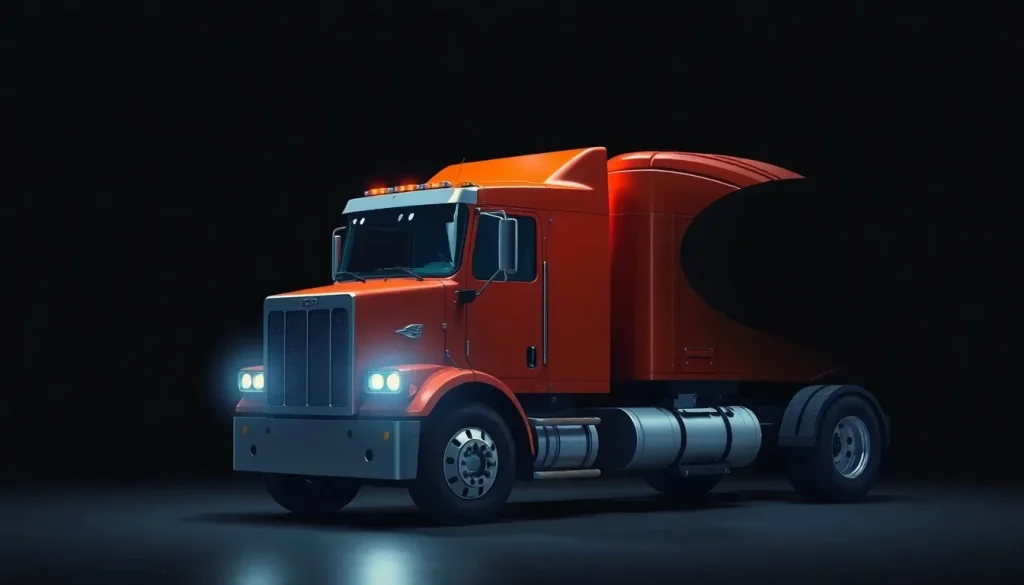
When it comes to the safety of heavy-duty trucks, many people mistakenly believe that crash tests are mandated by law. However, this is not the case, as highlighted by Madeline Sullivan, product marketing manager at Volvo Trucks North America. The reality is that there are no federal regulations requiring crash tests for Class 8 trucks, placing the responsibility squarely on the original equipment manufacturers (OEMs) to determine their testing protocols.
This lack of regulation underscores the importance of an OEM's commitment to safety and testing. For Volvo Trucks North America, every new design undergoes a meticulous evaluation process before it ever reaches the road, making safety a paramount concern.
- Building from the cab out: The foundation of safety
- Dynamic stress tests: Simulating real-world impacts
- Full vehicle crash trials: Comprehensive testing for safety
- Going beyond what’s required: A commitment to safety
- The role of Euro NCAP in truck safety testing
- Advancements in safety technology
- Conclusion: Commitment to safety in the trucking industry
Building from the cab out: The foundation of safety
The journey toward creating a safe truck begins with the cab structure itself. Volvo employs the Swedish impact test, a standard they pioneered in the 1970s, which sets a high benchmark for safety.
During this testing phase, the cab is subjected to a series of rigorous stress tests:
- 3,000-pound impact on the A-pillar: This simulates a frontal collision, ensuring the cab can withstand significant force.
- 3,000-pound impact on the rear wall: This evaluates the rear cab's ability to protect occupants during a rear-end collision.
- Roof crush test: This test simulates the worst-case scenario of a rollover accident, ensuring that the cab maintains sufficient survivable space for the driver.
To pass these tests, the cab must meet strict criteria, including maintaining operable doors post-impact, proving that the design is not only resilient but also functional in emergencies.
Dynamic stress tests: Simulating real-world impacts
After establishing the cab's structural integrity, Volvo proceeds to dynamic stress testing. This involves sled tests that replicate sudden impacts by forcefully slamming the cab into barriers. These tests assess how well the cab and its components can withstand extreme conditions.
In addition to sled testing, Volvo conducts seat pull tests to ensure that the seat and seatbelt systems remain intact under pressure. Sullivan remarks, “We’re making sure that our seats and our seat belts are going to survive impact.” This focus on detail ensures that the safety features are not only compliant but exceed expectations.
Full vehicle crash trials: Comprehensive testing for safety
Once the cab has successfully passed initial testing, Volvo advances to full vehicle crash trials. This critical phase examines how an entire Class 8 truck performs during real-world collision scenarios. The tests are designed to simulate various crash conditions, including:
- Collisions at different speeds: Assessing how the truck behaves in low-speed versus high-speed impacts.
- Collisions at various heights: Understanding how the truck interacts with obstacles of differing heights.
- Angled impacts: Evaluating the truck's performance when struck from different angles.
- Rollover tests: Conducting complete rollover tests to analyze structural integrity during a rollover accident.
These comprehensive trials allow Volvo to understand the full scope of a truck's safety capabilities, providing invaluable data that informs future designs.
Going beyond what’s required: A commitment to safety
Despite the absence of regulatory mandates, Volvo has established a reputation for safety that goes above and beyond industry standards. The brand consistently prioritizes safety features in its designs, ensuring that their trucks are equipped to handle not only expected scenarios but also unforeseen incidents.
Sullivan emphasizes this commitment, stating, “Even if there isn’t much in the way of regulation, Volvo’s always going to go above and beyond and make sure that our trucks are going to be there when it matters most.” This proactive approach to safety not only builds trust with customers but also enhances the overall safety of the trucking industry.
The role of Euro NCAP in truck safety testing
The European New Car Assessment Programme (Euro NCAP) plays a crucial role in establishing safety standards for vehicles, including trucks. By providing comprehensive safety ratings based on rigorous testing protocols, Euro NCAP helps consumers make informed decisions about vehicle safety.
For truck manufacturers, adhering to Euro NCAP protocols can serve as a benchmark for safety. These protocols include:
- Frontal impact assessments: Evaluating how well the cab protects occupants during a frontal collision.
- Side impact tests: Analyzing the truck's ability to safeguard against side impacts.
- Pedestrian safety tests: Assessing how a truck interacts with pedestrians in the event of a collision.
Meeting or exceeding these standards not only enhances a manufacturer's credibility but also demonstrates a commitment to safety that resonates with consumers.
Advancements in safety technology
As technology evolves, so too do the methods used in truck safety testing. Innovations in safety technology are continually being integrated into truck design, further enhancing occupant protection. Some notable advancements include:
- Automatic emergency braking systems: These systems can detect potential collisions and apply brakes automatically.
- Lane departure warning systems: Alerts drivers when the truck begins to drift out of its lane.
- Advanced airbag systems: New airbag designs provide better protection in the event of a crash.
Incorporating these technologies into trucks not only improves safety ratings but also positions manufacturers as leaders in innovation and responsibility.
To explore more about truck safety and testing, check out this insightful video on how semitrucks are crash tested:
Conclusion: Commitment to safety in the trucking industry
The commitment to safety in the trucking industry is crucial, and as demonstrated by Volvo Trucks North America, it requires a rigorous and proactive approach to testing. The absence of regulatory requirements for crash testing does not diminish the importance of safety; rather, it highlights the need for manufacturers to take the initiative to ensure that their vehicles are equipped to protect drivers and occupants. As technology continues to evolve, so will the methods and standards for truck safety testing, ultimately leading to a safer future for all on the roads.



Leave a Reply