
Samsung Launches HBM4 Memory Competing with SK Hynix and Micron
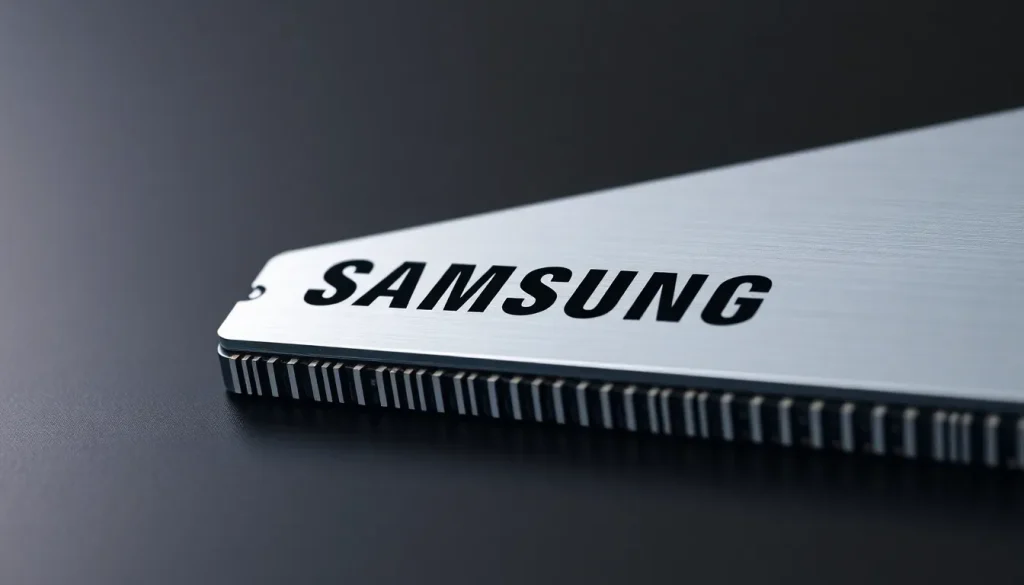
Samsung is making waves in the technology sector as it unveils its HBM4 memory modules, marking its entry into a fiercely competitive market. This announcement signals not only a robust comeback for the company but also sets the stage for significant advancements in high-performance computing.
Samsung's HBM4 memory modules showcase impressive performance metrics
The HBM4 (High Bandwidth Memory) is emerging as a crucial player in modern computing, particularly in enhancing the performance of artificial intelligence (AI) applications. With AI technology evolving rapidly, the demand for higher memory speeds and efficiencies is at an all-time high. Major manufacturers like Samsung, SK Hynix, and Micron are focusing their efforts on developing competitive HBM4 solutions that can meet the expectations of both consumers and industry leaders.
Recent reports highlight that Samsung has made a remarkable recovery in the HBM segment following a period of stagnation. The company showcased its HBM4 technology at the Semiconductor Exhibition (SEDEX) 2025, demonstrating its readiness to compete against other key players in the market.
One of the standout features of Samsung's HBM4 modules is their reported 90% logic die yield, which is an impressive figure for any new memory technology. This high yield suggests that Samsung is well-prepared for mass production without significant delays, which is critical in a fast-paced industry.
Strategic focus on production and collaboration
In response to its previous experiences in the DRAM sector, Samsung is adopting a series of strategies designed to enhance early adoption of its HBM4 memory modules. These strategies include:
- Competitive Pricing: Offering attractive pricing to entice customers.
- Increased Production Capacity: Ensuring that supply meets anticipated demand.
- Enhanced Performance: Delivering higher pin speeds, which are crucial for applications requiring fast data transfer.
Notably, it is reported that Samsung's HBM4 modules could achieve speeds of approximately 11 Gbps, surpassing the performance metrics of competitors such as SK Hynix and Micron. This positions Samsung as a leader in the high-performance memory market and aligns with the needs of major tech companies like NVIDIA.
While Samsung has yet to secure an official supply agreement with NVIDIA for its HBM4 modules, the company remains optimistic about its prospects given the advancements in their technology.
The competitive landscape among HBM manufacturers
The landscape of HBM memory production is becoming increasingly competitive. At the same event where Samsung unveiled its HBM4 modules, SK Hynix also presented its own offerings, developed in collaboration with TSMC. This dual reveal underscores a pivotal shift in the DRAM market, where competition is expected to intensify as companies race to innovate.
The evolving demands of consumers and industries alike are driving manufacturers to enhance their memory solutions continually. As such, the future of the DRAM market will be characterized by:
- Rapid Technological Advancements: Continuous improvements in memory technology.
- Increased Focus on AI: Tailoring solutions specifically for AI and machine learning applications.
- Diverse Application Areas: From gaming to data centers, the range of applications is expanding.
With both Samsung and SK Hynix working diligently to innovate, the overall market is expected to evolve in ways that meet the unprecedented demand for high-performance memory solutions.
Looking ahead: The implications of HBM4 technology
The introduction of HBM4 technology is poised to have far-reaching implications across various sectors. As the demand for high-speed data processing increases, the adoption of HBM4 could potentially revolutionize areas such as:
- Artificial Intelligence: Improved performance in training and deploying AI models.
- Gaming: Enhanced graphics and smoother gameplay experiences.
- Data Centers: Increased efficiency and speed in handling vast amounts of data.
In summary, as the competition in the HBM market heats up, Samsung's strategic initiatives and technological innovations position it to potentially lead in this critical area. The advancements made in HBM4 memory modules not only reflect the company's commitment to innovation but also its responsiveness to the growing needs of the tech industry.
For those interested in a visual overview of these developments, a related video can be found below:
As companies like Samsung continue to innovate and refine their products, the future of HBM technology and its applications looks promising, paving the way for enhanced performance across numerous computing fields.


Leave a Reply