
Samsung reveals Galaxy S26 processor surprise details
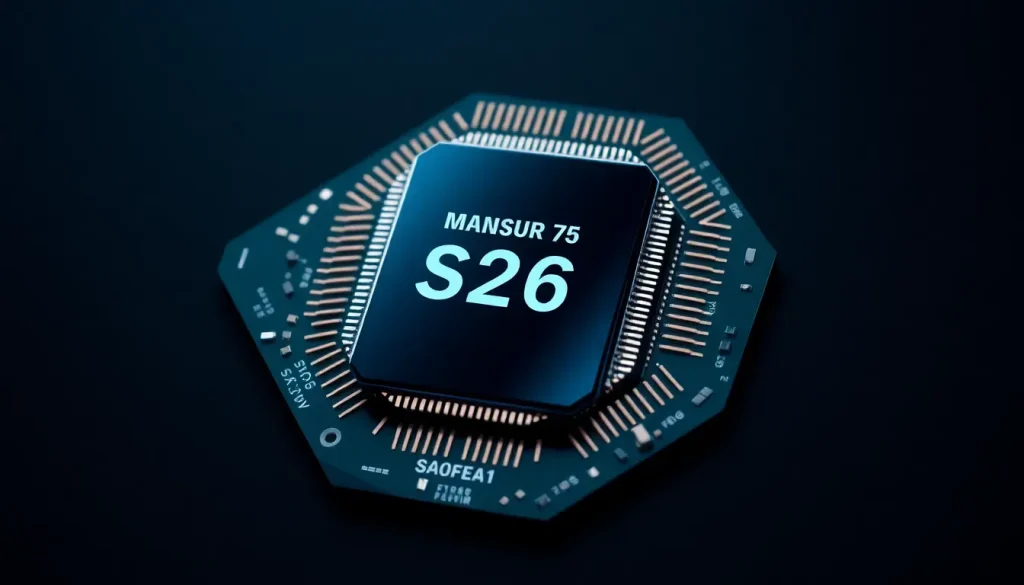
Samsung has officially confirmed its commitment to utilizing its own chips in the upcoming high-end mobile devices set to launch in 2026. This strategic shift marks a significant pivot for the company as it prepares to integrate the Exynos processor into flagship models like the Galaxy S26 and the next generation of foldable phones. This announcement comes on the heels of recent leaks revealing some of the impressive capabilities of the Exynos 2600, a chip that is poised to exceed expectations.
According to 9to5Google, Samsung has emphasized that the Exynos processor will play a crucial role in its flagship launches for 2026. During a recent call with shareholders to discuss financial results, the manufacturer revealed plans to incorporate its chips into the premium models expected next year. While the Exynos 2600 was not explicitly mentioned, indications suggest it will be the processor of choice for the Galaxy S26.
“In 2026, System LSI Business plans to enhance the competitiveness of the Exynos processor for key flagship models and leverage differentiated image sensor technologies to expand market presence,” Samsung stated in a press release. This commitment reflects the company's desire to strengthen its position in the competitive smartphone market.
Exynos 2600: The Processor Powering the Galaxy S26 and Other High-End Samsung Devices in 2026
Rumors surrounding Samsung’s upcoming chip have been circulating for some time, but recent leaks have intensified interest. A report from Hankyung highlighted that the Exynos 2600 promises performance enhancements that will surpass the A19 Pro chip found in the iPhone 17 Pro and Pro Max.
The Exynos 2600 is set to feature a remarkably advanced architecture that provides:
- Superior CPU Performance: Enhanced processing capabilities compared to Apple's latest chips.
- GPU Efficiency: A graphics processing unit up to 75% more powerful than its competitors.
- AI Coprocessor: A dedicated coprocessor for artificial intelligence that offers up to six times the performance of the iPhone 17 Pro.
- Manufacturing Process: Built using a 2nm fabrication process, allowing for greater efficiency and performance.
In contrast to the Snapdragon 8 Elite Gen 5, the Exynos 2600 is projected to be around 30% faster and more efficient. This technological leap is crucial for Samsung as it aims to regain market share in the high-performance smartphone segment.
Historically, Samsung has balanced the use of both Qualcomm’s Snapdragon and its Exynos chips across its smartphone lineup. However, the balance tipped in favor of Qualcomm in 2025 due to performance issues with Samsung’s chips, leading to the most powerful models being equipped with Snapdragon processors. This year, the company appears to be returning to its roots, betting on the capabilities of its Exynos chip.
Will the Galaxy S26 Use Exynos?
The likelihood of the Galaxy S26 incorporating the Exynos chip is strong, particularly given Samsung’s recent declarations. This return to using in-house processors is not only a matter of performance but also a demonstration of the company’s confidence in its chip development capabilities.
Samsung’s System LSI Business, which is responsible for the design and manufacture of advanced chips, has been working tirelessly to enhance the Exynos line. The focus will be on:
- Increasing production efficiency.
- Utilizing cutting-edge technologies for chip design.
- Expanding the application of Exynos chips beyond mobile devices to include computers and data centers.
Understanding the Samsung S26 Series: What to Expect
The Galaxy S26 series is expected to continue Samsung's legacy of high-quality smartphones, with significant upgrades in camera technology, battery life, and overall user experience. With the introduction of the Exynos 2600, users can anticipate:
- Improved Performance: Enhanced speeds and efficiency for demanding applications and multitasking.
- Advanced AI Features: Better integration of artificial intelligence for photo processing and user interaction.
- Energy Efficiency: Longer battery life due to the efficient design of the 2nm chips.
As Samsung gears up for 2026, the integration of the Exynos 2600 will likely redefine the high-end smartphone experience, setting new standards for performance and technology.
Comparing Samsung Exynos and Qualcomm Snapdragon: Which is Better?
The ongoing debate regarding the superiority of Samsung's Exynos chips versus Qualcomm's Snapdragon processors is one that often surfaces in tech circles. Each chip has its strengths and weaknesses, and the choice can depend on various factors:
- Performance: Historically, Snapdragon chips have exhibited superior performance in graphics rendering, especially in gaming.
- Battery Efficiency: Exynos chips are known for their energy-efficient designs, which can translate to longer battery life.
- Heat Management: Snapdragon processors often perform better under heavy loads without overheating.
As Samsung’s Exynos 2600 prepares to hit the market, it will be interesting to see how it stacks up against its competitors in real-world scenarios.
For those eager to see what’s in store for Samsung’s next flagship, check out this insightful video that explores the upcoming Galaxy S26 series:
In summary, Samsung's return to its Exynos processors for flagship devices represents a significant strategic shift. As the Galaxy S26 approaches, the excitement surrounding its capabilities continues to grow, fueled by the promise of performance and efficiency that the Exynos 2600 is expected to deliver. This development not only highlights Samsung's commitment to innovation but also sets the stage for a competitive 2026 in the smartphone market.



Leave a Reply