
September Class 8 Truck Orders Reveal Mixed Trends FTR
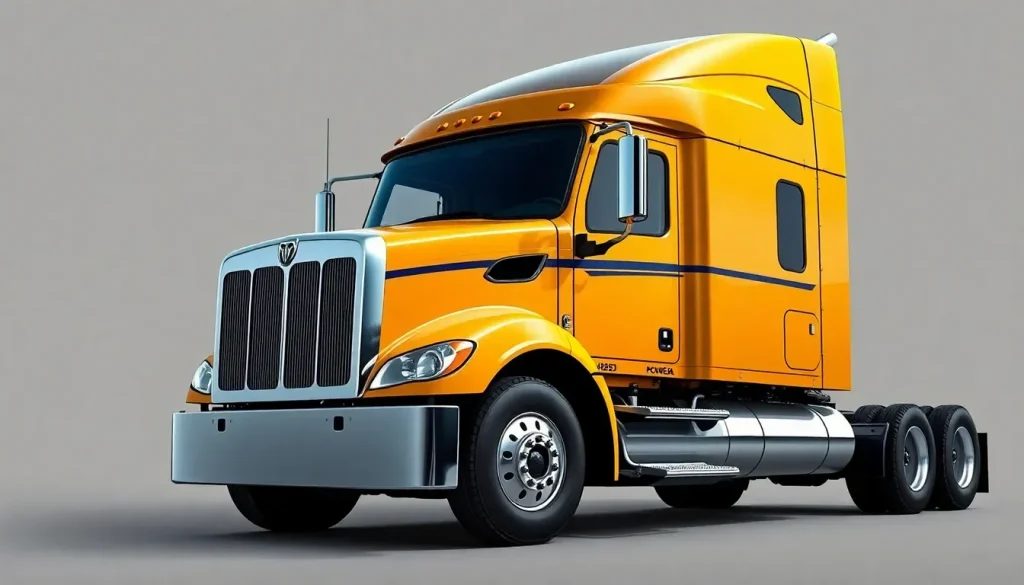
The heavy-duty trucking industry is undergoing significant changes, with fluctuations in orders reflecting broader economic trends. Increasing tariffs and evolving market conditions have created a complex landscape for fleets and original equipment manufacturers (OEMs). Understanding these dynamics is crucial for stakeholders at all levels.
As we delve into the latest trends for Class 8 truck orders, it's important to consider both the immediate data and the underlying factors influencing these numbers. This article explores the current state of the market, the impact of tariffs, and what lies ahead for the industry.
- Current state of Class 8 truck orders
- Industry context and trends
- Analysis of market outlook
- The impact of tariffs on the trucking market
- Potential implications for fleets and OEMs
- Future trends in the Class 8 truck market
- Understanding the Class 8 truck segment
- Conclusion and resources for further insights
Current state of Class 8 truck orders
Preliminary net orders for North American Class 8 trucks and tractors reached 20,500 units in September, marking an impressive 60% increase from the previous month. However, this figure is still a stark 41% below September 2024 levels, continuing a trend of year-over-year (Y/Y) declines for nine consecutive months. This pattern raises concerns about the overall health of the trucking market.
Industry context and trends
The recent order numbers fell short of the 10-year average of 29,499 units, indicating a persistent slowdown in the industry. Key contributors to this decline include:
- Ongoing trade tensions
- Uncertainty surrounding tariffs
- A weakened freight market
Despite these challenges, both vocational and on-highway segments experienced month-over-month gains, primarily driven by the on-highway segment, which also contributes significantly to the Y/Y decline.
Analysis of market outlook
In the past year, Class 8 orders have totaled 237,467 units. However, the start of the 2026 order season has been tepid, suggesting ongoing market pressures. While month-to-month increases provide temporary relief, the sustained Y/Y decline points to:
- Sluggish freight demand
- Limited profitability for carriers
As a result, OEMs and suppliers are likely to face continued volatility in order activity, making it essential for them to adapt to shifting market dynamics.
The impact of tariffs on the trucking market
On September 25, President Trump announced a 25% Section 232 tariff on imported heavy-duty trucks, effective October 1. While specific details are still pending from the U.S. government, this announcement has left many in the industry apprehensive. Dan Moyer, a senior analyst at FTR, noted that the news has unsettled fleets, OEMs, and suppliers, who are already grappling with:
- Weak demand
- Rising material costs
- Ongoing supply chain challenges
Current tariffs on materials such as steel, aluminum, and copper remain at 50%, adding further cost pressure and complicating international trade relations.
Potential implications for fleets and OEMs
If the tariff is implemented, imported Class 8 trucks could see a price increase of 25%. U.S.-built trucks may also encounter higher costs due to reliance on imported components. This situation could lead fleets to:
- Delay or cancel new orders
- Increase demand for used trucks
- Extend the lifecycle of existing vehicles
This shift could accelerate the reshoring of production, although obstacles such as labor shortages and infrastructure limitations persist. In the near term, both fleets and manufacturers can expect:
- Higher prices
- Additional disruptions in the supply chain
- Continued uncertainty regarding market conditions
Future trends in the Class 8 truck market
Looking ahead, industry analysts predict that changes in consumer behavior and economic conditions will shape the future of the Class 8 truck market. Factors to consider include:
- The ongoing evolution of e-commerce and its impact on freight demand
- Technological advancements in truck manufacturing
- Regulatory changes affecting emissions and fuel efficiency
As the market adapts to these trends, stakeholders are urged to stay informed and agile to navigate the complexities ahead.
Understanding the Class 8 truck segment
Class 8 trucks are defined as heavy-duty vehicles with a gross vehicle weight rating (GVWR) of over 33,000 pounds. These trucks are crucial for long-haul transportation, construction, and various industrial applications. Some of the most common uses include:
- Freight transportation across long distances
- Heavy construction projects
- Towing and recovery operations
Conclusion and resources for further insights
For those looking to deepen their understanding of the Class 8 truck market, various resources are available. Consider watching this insightful video on recent trends:
As the heavy-duty trucking landscape continues to evolve, keeping abreast of these changes will be essential for industry participants seeking to thrive in a competitive environment.



Leave a Reply