
Smart Planning for Efficient Fleet EV Charging Solutions
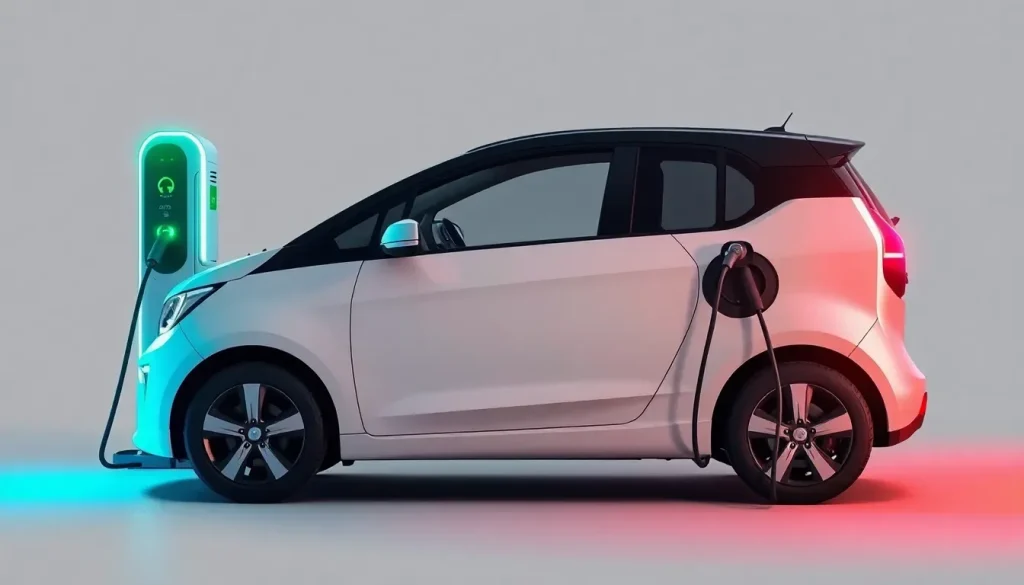
The electrification of fleets is no longer a distant dream; it's a rapidly advancing reality. As organizations increasingly adopt electric vehicles (EVs), the need for effective charging strategies has become a pressing concern. With the remarkable growth of Class 3–8 electric truck registrations soaring by 274% year-over-year, fleet operators are eager to embrace this shift. However, a significant challenge persists: the charging infrastructure is lagging behind the rapid fleet electrification. This leaves fleet managers grappling with how to keep their vehicles operational, manage costs, and minimize downtime.
To shed light on these challenges and provide actionable insights, we spoke with Natalie Roe, Senior Director of Fleet North America at ChargePoint. Through her expertise, we delve into the importance of strategic planning, efficient power management, and the development of a comprehensive electrification roadmap.
- Planning for power before the trucks arrive
- Maximizing vehicle charging with existing resources
- Understanding the total cost of ownership
- Building a scalable roadmap for electrification
- Challenges with EV charging infrastructure
- Utilizing AI to optimize EV routing with charging stations
- Are EV chargers considered a continuous load?
Planning for power before the trucks arrive
According to Roe, the groundwork for effective fleet electrification is laid even before the trucks hit the lot. Early engagement with utility companies is crucial. “We start planning at the very beginning to avoid issues later on,” she emphasized. This proactive approach includes sharing detailed power plans with utilities to identify necessary upgrades, enabling cost estimation and preventing unexpected challenges down the line.
Additionally, ChargePoint's charge-management software is instrumental in optimizing the use of available power. This technology not only balances load but also prevents overuse, ensuring that vehicles are fully charged and ready to operate when needed. By managing the demand for electricity effectively, fleets can mitigate risks of downtime and ensure operational continuity.
Maximizing vehicle charging with existing resources
As the adoption of EVs accelerates, the demand for charging sessions is outpacing the development of infrastructure. Roe points out that software solutions are essential for managing this surge. Fleet operators can monitor charger utilization in real-time, allowing them to make informed decisions about when to scale up capacity. “Sometimes it’s just about making sure you unplug when necessary,” she noted, underscoring the importance of efficient resource management.
- ChargePoint provides alerts to help fleet managers avoid idle trucks blocking uptime.
- Charger management systems can schedule charging during off-peak hours to reduce costs.
- Load-shifting strategies can help fleets avoid peak demand charges, optimizing electricity expenses.
By employing these strategies, fleets not only ensure that their vehicles are charged but also keep operational costs under control, making the transition to electric vehicles more financially viable.
Understanding the total cost of ownership
When evaluating the costs associated with electric vehicles, it's essential to consider the total cost of ownership, which extends beyond just the price of charging equipment. Roe highlights the importance of factoring in elements such as:
- Fuel costs versus electricity prices, with some regions offering rates as low as eight cents per kilowatt-hour.
- Available funding opportunities for electrification initiatives.
- Lower maintenance requirements due to fewer moving parts in EVs compared to traditional diesel engines.
For instance, when a diesel vehicle requires repairs, the downtime can be extensive, leading to significant costs. In contrast, EVs often have reduced maintenance needs, allowing fleets to maintain operations more efficiently. ChargePoint supports this by providing monitoring and support programs that ensure charging infrastructure remains operational.
Building a scalable roadmap for electrification
Roe emphasizes that transitioning to an electrified fleet is a gradual process, stating, “This is a crawl, not a run.” Fleet managers should adopt a modular approach to planning, enabling them to expand their infrastructure as the number of electric vehicles grows. Starting with a few chargers and incrementally adding more as demand increases is a practical strategy. ChargePoint aids fleets in mapping out both immediate deployment and future capacity requirements, ensuring that their plans align with local utility capabilities.
“We help them build a plan,” said Roe, stressing the importance of fiscal responsibility in electrification strategies. The key takeaway for fleets is to initiate planning early, engage with relevant partners, and incorporate flexibility into their charging infrastructure.
Challenges with EV charging infrastructure
Despite the optimism surrounding fleet electrification, several challenges remain in establishing a robust charging infrastructure. Key obstacles include:
- Insufficient charging station availability in strategic locations.
- Variability in electricity pricing and availability across regions.
- Integration of charging systems with existing fleet management software.
Addressing these challenges requires a concerted effort from fleet operators and utility companies. Collaborative strategies can pave the way for more efficient infrastructure development, ultimately supporting the transition to electric vehicles.
Utilizing AI to optimize EV routing with charging stations
Artificial Intelligence (AI) has the potential to revolutionize how fleets manage their electric vehicles and charging needs. By analyzing real-time data related to vehicle locations, charging station availability, and traffic conditions, AI can optimize routes for electric vehicles. This not only minimizes travel time but also ensures that vehicles are charged efficiently along their routes.
For example, AI can suggest the best charging stations based on the vehicle's current battery level and the expected duration of a trip. This dynamic routing capability enhances overall efficiency, reduces downtime, and ensures that fleets are operating at maximum effectiveness.
Are EV chargers considered a continuous load?
In the context of electrical systems, understanding whether EV chargers are classified as a continuous load is crucial for fleet operators. Continuous loads are those that operate for three hours or more at their maximum rating. Given that electric vehicle chargers often stay connected for extended periods during charging sessions, they can indeed be considered continuous loads. This classification impacts the design and capacity planning of electrical systems, requiring careful consideration to ensure that infrastructure can handle the demands of a growing fleet of electric vehicles.
In conclusion, the journey toward electrifying fleets is filled with opportunities and challenges. By strategically planning for power needs, optimizing existing resources, and understanding the total cost of ownership, fleet operators can navigate this transition more effectively. The insights from industry leaders like ChargePoint can guide fleets in building scalable solutions that meet the demands of an evolving transportation landscape.
For those interested in exploring more about fleet electrification, consider watching the insightful video "Smarter EV charging, from energy management to AI," which delves deeper into the integration of smart technologies in charging solutions.



Leave a Reply