
Tesla robotaxis: promises, crashes, and secrecy explained
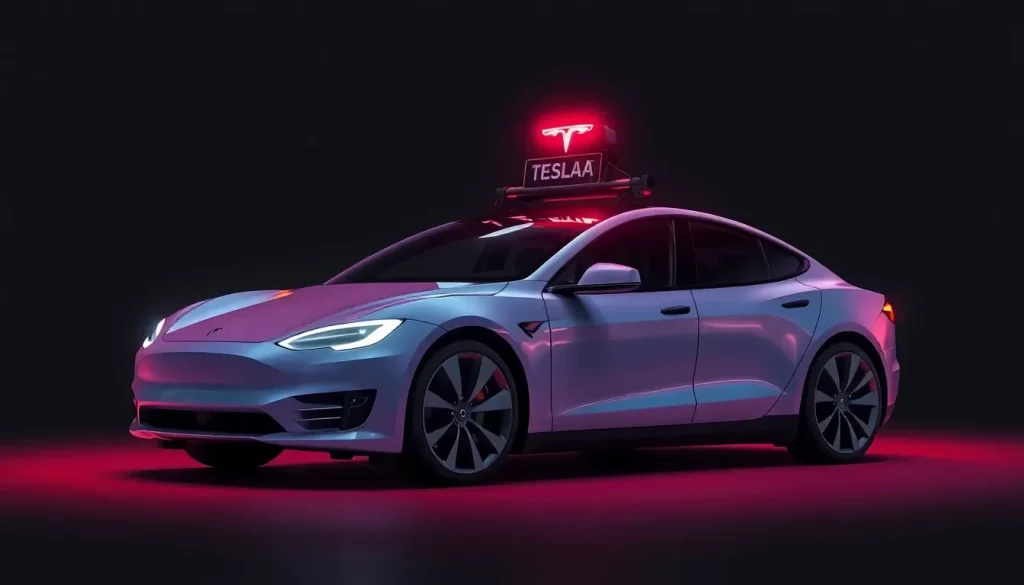
As the world increasingly embraces the era of autonomous vehicles, Tesla's foray into the realm of robotaxis has not unfolded without its share of skepticism and controversy. Promises of a driverless future often clash with the harsh realities of accidents and limited operational fleets. While enthusiasts eagerly anticipate the dawn of this technological revolution, the path remains fraught with challenges that demand scrutiny.
In recent developments, Tesla's robotaxi fleet has faced numerous incidents, raising concerns about their safety and reliability. A recent report from Austin, Texas, reveals that these autonomous vehicles, despite having human safety monitors onboard, are involved in accidents at a rate of approximately one for every 62,500 miles traveled. This statistic starkly contrasts with the performance of competitors who have already achieved better safety records without the need for human oversight. The narrative of a fully autonomous vehicle ready for public use is being called into question, revealing the gap between aspiration and reality.
- Taxis autónomos Tesla: un vistazo a la tecnología
- ¿Por qué fracasó el Tesla Robotaxi? Un análisis de los desafíos
- ¿Qué tan seguros son los Teslas? La importancia de la seguridad en la conducción autónoma
- ¿Cuánto cuesta un robotaxi de Tesla? Un análisis de costos
- ¿Qué dice Elon Musk de Tesla? La voz del CEO y sus visiones futuristas
- Un futuro incierto: el papel de la transparencia en la movilidad autónoma
Taxis autónomos Tesla: un vistazo a la tecnología
Tesla has long touted its vision for a fleet of fully autonomous robotaxis, a concept that has captured the public's imagination. The idea is that these vehicles operate without any human intervention, seamlessly navigating city streets and highways. However, the implementation of this vision has not been straightforward. The technology behind Tesla's robotaxis relies on an advanced suite of sensors, cameras, and machine learning algorithms designed to interpret the vehicle's surroundings.
Despite the impressive technological foundation, the persistent accidents and malfunctions highlight significant challenges that need to be addressed. The presence of a human safety monitor does not seem to prevent frequent incidents, including:
- Collisions with stationary objects
- Sudden braking and erratic driving behavior
- Failure to adhere to traffic signals
These issues raise critical questions about the current state of Tesla's autonomous driving technology and its readiness for widespread deployment.
¿Por qué fracasó el Tesla Robotaxi? Un análisis de los desafíos
While the allure of robotaxis is undeniable, several factors contribute to the stagnation of Tesla's ambitions in this area. One primary issue is the gap between expectations and reality. Tesla has repeatedly promised a fully autonomous driving experience, yet the prototypes currently in operation exhibit significant limitations. This inconsistency between marketing rhetoric and real-world performance has led to a growing sense of disillusionment.
Some of the reasons for the challenges faced include:
- Insufficient data collection for training AI algorithms
- Complex urban environments that challenge sensor capabilities
- Regulatory hurdles that impede testing and deployment
The company’s insistence on keeping certain technical details confidential only adds to the unease among consumers and regulators alike. As Tesla continues to navigate these hurdles, transparency may become a crucial factor in regaining public trust.
¿Qué tan seguros son los Teslas? La importancia de la seguridad en la conducción autónoma
The safety of Tesla's autonomous vehicles has been a topic of heated debate. The rate of accidents involving robotaxis raises crucial questions about the technology's current safety standards. When comparing Tesla’s performance to that of other companies in the autonomous vehicle sector, some alarming patterns emerge.
For instance, while Tesla reports one accident per 62,500 miles, other manufacturers have managed to achieve significantly better safety records. This discrepancy not only undermines Tesla's claims but also brings to light the potential risks associated with adopting unproven technologies.
¿Cuánto cuesta un robotaxi de Tesla? Un análisis de costos
The financial implications of Tesla's robotaxi initiative are also noteworthy. The cost of developing and deploying an autonomous taxi fleet is substantial. From the research and development phases to ongoing maintenance and safety measures, Tesla faces considerable expenses. These costs may eventually translate to pricing for consumers, raising questions about the affordability of such services.
A rough breakdown of potential costs involved in launching a robotaxi service could include:
- Development of autonomous driving software
- Manufacturing of specialized vehicles
- Ongoing maintenance and safety monitoring
As the company navigates these financial challenges, it remains to be seen how they will position their services in an increasingly competitive market.
¿Qué dice Elon Musk de Tesla? La voz del CEO y sus visiones futuristas
Elon Musk, Tesla's enigmatic CEO, has long been the face of the company's ambitious vision for the future of transport. His statements often reflect a bold optimism about the capabilities of Tesla’s technology. Recently, Musk reiterated his belief in the inevitability of fully autonomous vehicles, asserting that they are just around the corner.
Despite these proclamations, the reality of Tesla's current operational challenges paints a more complex picture. The gap between Musk's vision and the actual performance of Tesla's robotaxi fleet continues to widen, prompting skepticism from both consumers and industry analysts.
Un futuro incierto: el papel de la transparencia en la movilidad autónoma
As Tesla continues to navigate the tumultuous waters of autonomous vehicle development, the role of transparency cannot be overstated. The company’s reluctance to share critical safety data and operational details fosters distrust among potential users. In a world where the safety of passengers is paramount, consumers should have access to comprehensive information about the technologies they are entrusting with their lives.
Moving forward, Tesla faces a significant challenge: to reconcile its ambitious promises with the realities of autonomous technology. The company must address critical safety concerns while fostering an environment of transparency, or risk losing credibility in a competitive market.
In conclusion, the vision of a world filled with Tesla robotaxis remains tantalizing, yet fraught with challenges. As the company strives to achieve its lofty goals, the journey toward a truly autonomous future is likely to be complex and unpredictable.
For a deeper insight into Tesla's robotaxi ambitions and the broader implications of autonomous vehicles, consider watching this informative video:


Leave a Reply